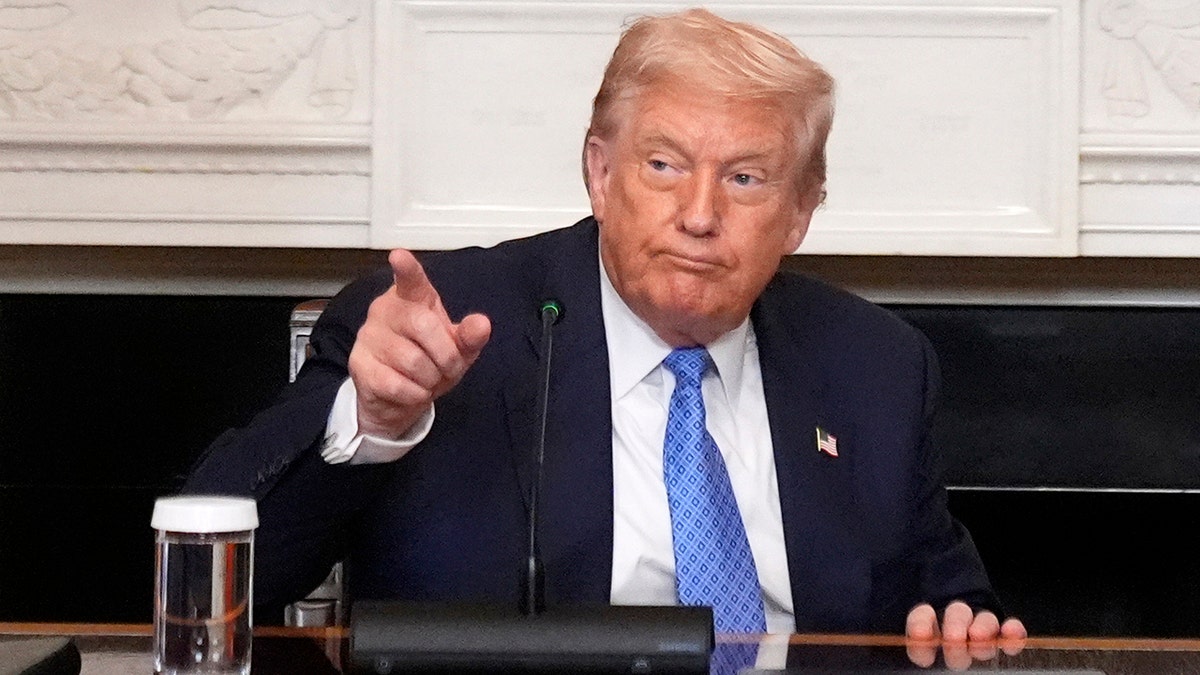
President Donald Trump has threatened to impose tariffs of 25% on all goods imported from Canada and Mexico, citing concerns over illegal immigration and the flow of narcotics, specifically fentanyl, across U.S. borders. The move aims to pressure the Canadian and Mexican governments into stricter border enforcement, potentially disrupting one of the world’s largest trading relationships under the United States-Mexico-Canada Agreement (USMCA).
The tension centers on the White House’s demand for immediate action to curb border security gaps. For Canada, these threats represent a significant economic risk, as the U.S. is its largest trading partner. Market analysts and political figures, including former Bank of England and Bank of Canada governor Mark Carney, have emphasized that a firm, coordinated response is necessary to counter the volatility of the current U.S. administration’s trade tactics.
The situation is complicated by the internal political dynamics within Canada, where the government must balance diplomatic cooperation with the U.S. and the protection of domestic industries from sudden price hikes and trade barriers. The potential for a trade war has sparked urgency in Ottawa to secure exemptions or negotiate terms that avoid widespread economic damage.
The Impact of Proposed 25% Tariffs on Canadian Trade
The proposed 25% tariffs would target a broad spectrum of Canadian exports, including automotive parts, energy products, and agricultural goods. According to the Government of Canada, trade with the United States is the cornerstone of the national economy, meaning any significant tariff hike could lead to increased costs for consumers and reduced competitiveness for Canadian manufacturers.
Economists warn that such tariffs would likely trigger retaliatory measures from Ottawa, creating a cycle of escalation. This “tit-for-tat” strategy was seen during the previous Trump administration’s disputes over softwood lumber and steel. However, the scale of the current threat—applying to all imports—is significantly broader than previous sector-specific disputes.
The U.S. administration justifies these measures as a tool for national security and public health, specifically targeting the fentanyl crisis. By linking trade access to border enforcement, the White House is utilizing economic leverage to force policy changes in neighboring capitals. This approach deviates from traditional trade negotiations, which typically focus on tariffs, quotas, and market access rather than immigration and drug interdiction.
Mark Carney and the Strategy of Economic Firmness
Mark Carney, the former governor of both the Bank of Canada and the Bank of England, has emerged as a key voice in discussing how Canada should handle U.S. economic pressure. Carney’s perspective emphasizes that yielding to unilateral demands without a clear, negotiated framework can invite further concessions and instability.
Analysis of Carney’s approach suggests that Canada must demonstrate “firmness”—not through aggression, but through a calculated demonstration of interdependence. The argument is that the U.S. economy is equally dependent on Canadian energy and integrated supply chains. If Canada can prove that the cost of tariffs to U.S. consumers and industries outweighs the perceived gains in border security, it gains leverage in negotiations.
Carney has previously advocated for a transition toward a more resilient, diversified economy to reduce over-reliance on a single trading partner. In the current crisis, his philosophy underscores the need for a sophisticated diplomatic response that combines technical trade data with a clear statement of national sovereignty.
The USMCA Framework and Legal Recourse
The United States-Mexico-Canada Agreement (USMCA), which replaced NAFTA in 2020, was designed to provide a stable legal framework for trade in North America. The imposition of broad tariffs would likely violate several provisions of the agreement, potentially leading to disputes through the USMCA’s formal resolution mechanisms.
Under the USMCA, members are generally prohibited from imposing new tariffs on each other’s goods, provided the rules of origin are met. If the U.S. proceeds with the 25% tariffs, Canada could file a formal complaint through the treaty’s dispute settlement panels. However, legal victories in these panels often take years to resolve, while the economic damage from tariffs is immediate.
The White House has previously used “Section 232” of the Trade Expansion Act of 1962 to justify tariffs on the grounds of national security. This legal loophole allows the U.S. president to bypass traditional trade agreements if they believe imports threaten the security of the United States. Canada’s ability to fight these tariffs in court or through the USMCA depends on whether the U.S. frames the tariffs as “security” measures or “trade” measures.
Stakeholders Affected by Trade Volatility
The ripple effects of these trade threats extend across several key sectors:
- Automotive Industry: The North American auto industry is highly integrated. Parts often cross the border multiple times before a vehicle is completed. Tariffs would increase production costs and could lead to higher vehicle prices for consumers in both countries.
- Energy Sector: Canada is a primary supplier of oil and gas to the U.S. Disrupting this flow could lead to energy price spikes in the American Midwest and Northeast.
- Agriculture: Canadian farmers, particularly those producing dairy and beef, face immediate risks of losing access to their most lucrative market.
- Labor Markets: Manufacturing hubs in Ontario and Quebec are particularly vulnerable to trade disruptions, which could lead to layoffs if exports drop sharply.
For the average Canadian citizen, the primary concern is inflation. If tariffs make imported U.S. goods more expensive or force Canadian companies to raise prices to cover the cost of exporting, the cost of living will likely increase.
Comparison of Trade Approaches: 2018 vs. 2024
The current tension mirrors the 2018-2019 trade disputes, but the stakes and tactics have shifted. In 2018, the focus was primarily on steel and aluminum tariffs. Canada responded by applying targeted tariffs on U.S. products, such as orange juice and ketchup, to pressure specific U.S. political constituencies.
The current threat is broader, encompassing all imports and linking them to non-trade issues like the fentanyl crisis. While the 2018 disputes were about “fair trade” and industrial capacity, the current conflict is framed as a “national security” and “border integrity” issue. This shift makes traditional trade negotiations more difficult because the U.S. is demanding policy changes in Canadian law enforcement and border management rather than just changes in tariff rates.
Next Steps and Official Checkpoints
The immediate focus remains on the diplomatic channels between Ottawa and Washington. Canadian officials are expected to continue high-level meetings with U.S. counterparts to present evidence of their efforts to secure the border and combat drug trafficking.
The next critical checkpoint will be the official announcement from the White House regarding the implementation date of the tariffs, if they are not averted through negotiation. Additionally, the Canadian government’s formal response to the U.S. demands will determine whether the two nations move toward a negotiated settlement or a full-scale trade conflict.
Readers are encouraged to follow official updates from the Global Affairs Canada portal for the latest diplomatic statements and trade advisories.
Share this report and join the discussion in the comments below on how North American trade stability affects global markets.
Keep reading