
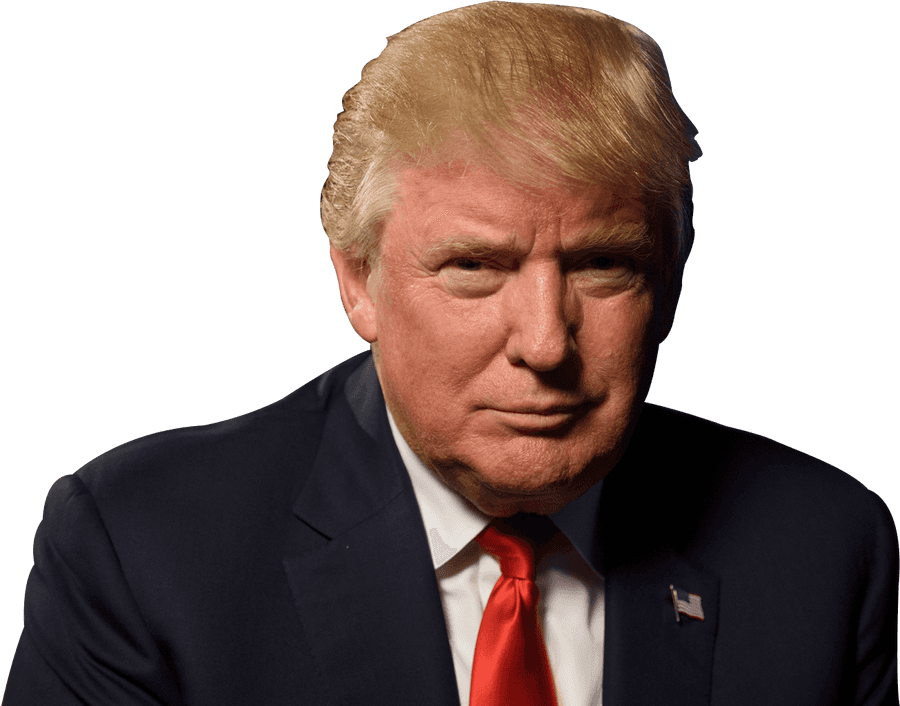
BEIJING — U.S. President Donald Trump arrived in China today with a delegation that includes Nvidia CEO Jensen Huang, marking an unusual move that underscores his administration’s dual strategy to both pressure Beijing on trade and technology while seeking commercial openings in one of the world’s most tightly controlled economies.
The visit, which follows weeks of escalating tensions over Taiwan, the Iran conflict, and semiconductor restrictions, comes as global markets watch closely for any signs of progress—or further deterioration—in U.S.-China relations. With Trump’s approval ratings near historic lows and gas prices surging due to the Strait of Hormuz blockade, the stakes for a productive summit with Chinese President Xi Jinping could not be higher.
While official details about Huang’s inclusion in the delegation remain scarce, industry analysts suggest the move signals Trump’s administration is prioritizing both geopolitical leverage and economic pragmatism. Nvidia, the world’s dominant supplier of advanced AI chips, has faced mounting restrictions from both the U.S. And China in recent months, making the CEO’s presence a symbol of the complex dance between competition and cooperation in the tech sector.
Why Nvidia’s CEO Is in Beijing: The Tech Cold War at the Heart of the Summit
Nvidia’s AI chips—particularly its cutting-edge A100 and H100 models—have become a battleground in the U.S.-China tech war. Beijing has accused Washington of using export controls as a tool of economic coercion, while American officials argue the restrictions are necessary to prevent China’s military and surveillance sectors from accessing sensitive technology.
According to a senior administration official speaking on condition of anonymity, Huang’s participation in the delegation is part of a broader effort to “explore areas where commercial interests can align with strategic objectives.” The official noted that while semiconductor restrictions remain in place, there is growing recognition in both capitals that “overt conflict in this sector harms both economies.”
Key Takeaways:
- Dual Mission: Trump’s trip combines high-level diplomacy with a focus on commercial engagement, particularly in tech and agriculture.
- Nvidia’s Role: Huang’s presence signals an attempt to balance tech restrictions with potential openings for U.S. Companies in China’s market.
- Market Watch: Investors are monitoring for any signals on semiconductor export policies, which could impact global supply chains.
- Geopolitical Context: The summit occurs amid heightened tensions over Taiwan, Iran, and the fragile U.S.-China trade truce.
The Semiconductor Standoff: What’s at Stake?
Since 2023, the U.S. Has imposed increasingly stringent export controls on advanced semiconductor manufacturing equipment and AI chips, targeting companies like Nvidia, AMD, and ASML. These restrictions, enforced by the Commerce Department’s Bureau of Industry and Security (BIS), aim to slow China’s military modernization by limiting its access to cutting-edge technology.

However, the measures have had unintended consequences. Chinese tech firms, including Huawei and SMIC, have struggled to obtain critical components, while global supply chains—particularly in AI and data centers—have faced disruptions. The European Union has criticized the restrictions as “unilateral” and warned they could trigger retaliatory measures.
In a statement last August, the U.S. Commerce Department announced new rules requiring foreign firms to obtain licenses for sales of advanced chips to China, even if the transactions originated outside American soil. The move was framed as necessary to “protect national security,” but analysts have noted its potential to strain alliances with European and Asian partners.
Trump’s Pragmatic Approach: Can Deals Override Tensions?
Trump’s visit to China—his second since returning to the White House in 2025—contrasts sharply with his first trip in 2017, when Xi hosted him with a lavish state visit complete with a $250 billion business deal announcement. This time, expectations are far more modest, with officials acknowledging that “real progress will require compromise on both sides.”
Sources familiar with the planning process indicate that Trump’s delegation includes representatives from agriculture, energy, and tech sectors, reflecting a deliberate effort to address China’s demand for U.S. Goods while pushing for concessions on trade barriers. Agricultural exports—particularly soybeans and pork—have been a key focus, as China has sought to diversify its supply chains away from Russia and Ukraine.
Yet, the shadow of Taiwan looms large. Beijing has made clear it expects Washington to distance itself from Taipei, while Trump has reiterated his administration’s commitment to the “One China” policy—though with ambiguity that has fueled speculation about his long-term stance. The visit by Iran’s foreign minister to Beijing just days before the summit has further complicated dynamics, as China navigates its relationships with both Washington and Tehran.
What’s Next: Market Reactions and Diplomatic Checkpoints
The next critical checkpoint will be the conclusion of the summit on Friday, May 15, when Trump and Xi are expected to hold a joint press conference. Markets will be watching for any signals on:

- Semiconductor Policies: Will there be any easing of export controls, or further tightening?
- Agricultural Trade: Are concrete deals expected on soybeans, pork, or other commodities?
- Taiwan: Will Trump reiterate or modify his administration’s stance on cross-strait relations?
- AI and Tech: Could Nvidia or other U.S. Firms gain limited access to China’s market in exchange for concessions?
For now, the mood among diplomats and analysts remains cautious. As one Beijing-based economist told World Today Journal, “The real test will be whether this visit leads to tangible actions—or if it’s just another round of high-level theater.”
“The U.S. And China are at a crossroads. The question is whether both sides can find enough common ground to stabilize the relationship—or if we’re heading toward a new cold war.”
What do you think? Will Trump’s mission succeed in “opening up” China, or are the geopolitical obstacles too great? Share your thoughts in the comments below.
For real-time updates: Follow @WorldTodayJrnl on X/Twitter and visit our U.S.-China Relations hub for ongoing coverage.