
Trump Returns From Beijing: A Display of Pageantry Amidst Diplomatic Stalemate
LONDON — U.S. President Donald Trump has returned to the United States following a high-profile, two-day summit in Beijing, concluding a visit defined by a sharp contrast between choreographed diplomatic warmth and a significant lack of substantive policy breakthroughs.
While the summit provided the visual spectacle and pageantry the President sought, the actual diplomatic outcomes appear minimal. Despite the outward display of respect between the two leaders, the visit concluded with the U.S. Administration largely facing the same geopolitical challenges it held prior to the trip, particularly regarding the ongoing conflict in Iran and mounting economic pressures at home.
The Trump China summit 2026 was marked by a series of highly symbolic gestures from Chinese leader Xi Jinping, aimed at projecting an image of stability and mutual respect. However, analysts note that this “stability” may be more aesthetic than structural, as the “paltry set of deliverables” from the meeting suggests a continued stalemate in core areas of U.S.-China relations.
A Spectacle of Diplomacy in Beijing
The atmosphere in Beijing during the President’s visit was one of intense formality and traditional honors. President Trump, who has frequently referred to Xi Jinping as a “friend,” was met with a reception designed to showcase the grandeur of the Chinese state. According to reports from the summit, Xi Jinping welcomed the U.S. President with full military honors and a ceremony involving flag-waving children.
The personal rapport between the two leaders was on full display. President Trump described China as a “gorgeous place” and characterized Xi Jinping as a “great leader.” In a gesture of hospitality, the Chinese leader presented the President with a gift of rose seeds and offered a toast to his health. These friendly scenes provided a sense of diplomatic calm, even as underlying tensions remain unresolved.
The visual impact of the visit was significant. During the proceedings, high-profile figures were present, including Nvidia CEO Jensen Huang, who was seen during the welcome ceremonies at the Great Hall of the People. Such imagery serves to underscore the high stakes of the engagement, even when the policy results remain elusive.
The Reality of the Stalemate
Beneath the surface of toasts and military honors, the diplomatic substance of the summit was notably thin. The primary objective of the visit—to secure cooperation on pressing global issues—appears to have yielded little. Most notably, the President did not receive the assistance he sought from his counterpart in managing the “messy war in Iran.”
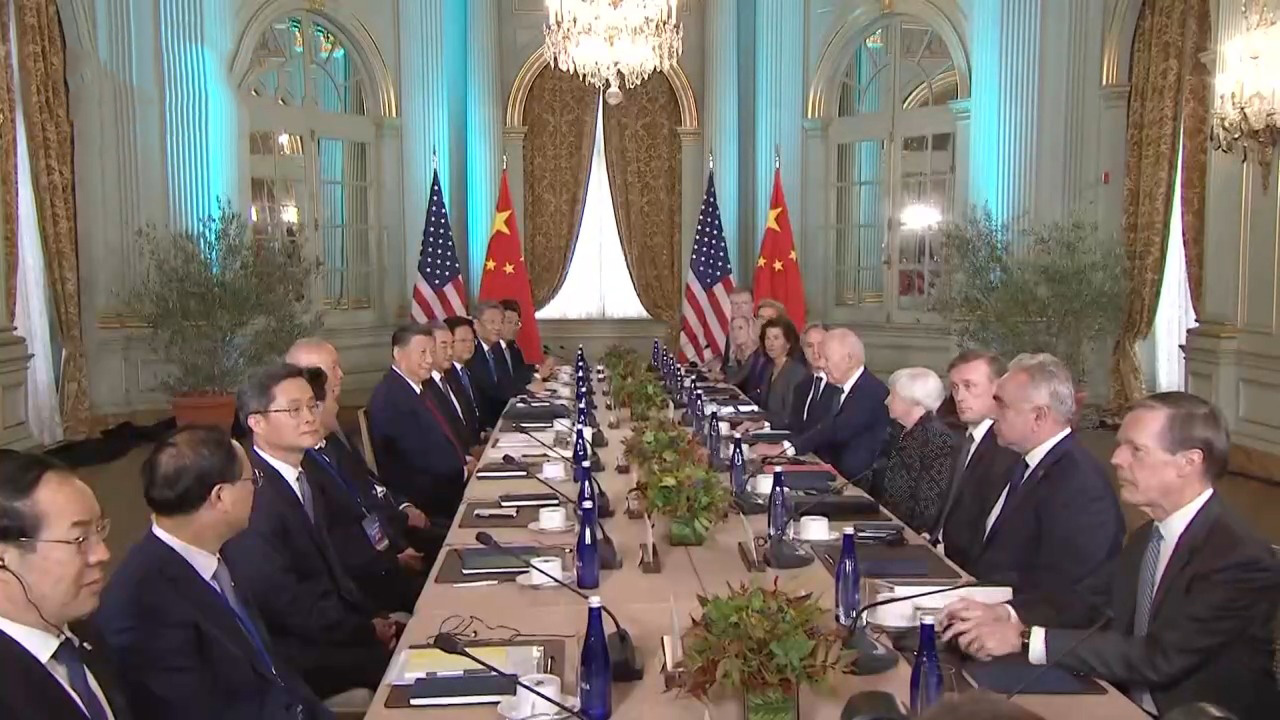
The inability to secure breakthroughs on the Iranian conflict remains a critical gap in the bilateral relationship. As the war continues to impact regional stability, the lack of a coordinated response or a clear diplomatic roadmap from Beijing leaves the U.S. Administration to navigate the fallout largely on its own. This lack of cooperation extends to the domestic political climate, which remains a significant challenge for the Trump administration.
The “paltry set of deliverables” from the two-day meeting has led to observations that the summit was characterized by rushed and chaotic planning. While the President has portrayed the trip as a success, the absence of concrete agreements or shifts in policy suggests that the fundamental friction points between Washington and Beijing remain intact.
Geopolitical and Economic Undercurrents
The summit took place against a backdrop of heightened global anxiety. Two major factors continue to weigh heavily on the international landscape: the economic impact of Middle East instability and the persistent tensions regarding Taiwan.
The conflict in the Middle East continues to exert upward pressure on global markets, stoking inflation concerns that are already a central issue in U.S. Domestic politics. The intersection of regional warfare and global economic health adds a layer of urgency to U.S. Foreign policy that the Beijing summit failed to address through any new bilateral agreements.
the increasingly public tensions over Taiwan continue to shadow any progress in U.S.-China diplomacy. While the Beijing summit provided a temporary veneer of stability, the structural tensions regarding regional sovereignty and maritime security in the Pacific remain a primary driver of the “Thucydides Trap” concerns that often characterize the relationship between these two superpowers.
Key Takeaways from the Beijing Summit
- Visual Success vs. Policy Stalemate: The visit achieved high levels of diplomatic pageantry and personal warmth but failed to produce significant policy breakthroughs.
- Iran Conflict: President Trump received little assistance from Xi Jinping in addressing the ongoing war in Iran.
- Economic Pressures: The summit occurred amidst rising global inflation linked to Middle East instability, a factor that continues to complicate U.S. Domestic policy.
- Symbolic Gestures: China utilized military honors and traditional gifts, such as rose seeds, to project an image of stability and respect.
- Geopolitical Tensions: Core issues, including the status of Taiwan, remain unresolved and continue to influence the bilateral relationship.
As President Trump returns to the United States, the focus is expected to shift immediately back to the domestic challenges and economic volatility that characterized the period leading up to his departure. The diplomatic “stability” observed in Beijing will be tested by the immediate realities of the Iran war and the continuing inflationary pressures facing the American economy.
The next scheduled checkpoint for this developing story will be the administration’s official briefing on the return flight and subsequent domestic policy responses.
What are your thoughts on the outcomes of the Beijing summit? Does the pageantry mask a deeper diplomatic failure, or is stability itself a victory? Share your comments below and share this report with your network.