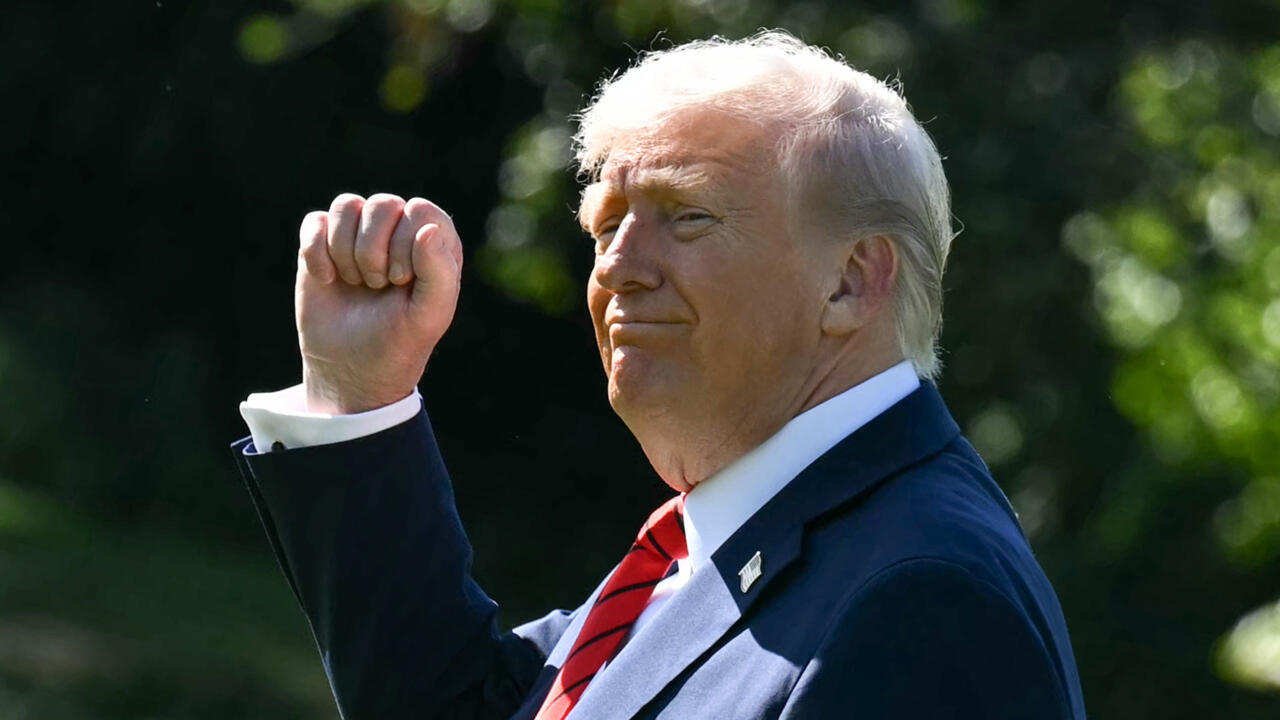
TrumpS Tariff Threat & Shifting US-China relations: A Deep Dive
Recent market reactions – a 3.6% drop in the Nasdaq and a 2.7% decline in the S&P 500 – underscore growing anxieties surrounding the increasingly complex relationship between the United States and China.These movements followed a surprising escalation from former president Trump, raising serious questions about the future of trade and diplomatic engagement between the world’s two largest economies.
This article provides a extensive analysis of the situation, examining the factors driving the tension, the potential consequences, and what it all means for businesses and investors.
The spark: Rare Earths, Fentanyl, and Trump’s Tariffs
The immediate catalyst for the renewed friction appears to be Trump’s accusations regarding China’s export controls on rare earth minerals. He alleges these controls are a retaliatory measure, linked to his previous accusations that Beijing is aiding the fentanyl trade and engaging in unfair trade practices.
Here’s a breakdown of the current tariff landscape:
* US Tariffs on China: Currently at 30% – implemented during Trump’s initial term.
* China’s Retaliatory Tariffs: Currently at 10%.
* New Threats: Trump has threatened additional tariffs, signaling a potential escalation.
Rare earth elements are strategically vital. They are essential components in a vast array of modern technologies, including smartphones, electric vehicles, military equipment, and renewable energy systems. China currently dominates the global production and processing of these materials,giving it notable leverage.
APEC Summit in Doubt?
Trump’s outburst also cast a shadow over his planned meeting with Chinese President Xi Jinping at the Asia-Pacific Economic Cooperation (APEC) summit in South Korea later this month. Initially touted as a crucial opportunity for dialog, Trump now questions the value of the meeting, stating, “now there seems to be no reason to do so.”
Though, he later clarified to reporters that he hadn’t canceled the meeting, but its future remains uncertain. This ambiguity adds to the overall instability.
Underlying Tensions & Accusations
Beyond the immediate tariff threats, Trump voiced broader concerns about China’s behaviour.He described China’s stance as “very hostile” and accused Beijing of “lying in wait” despite what he characterized as six months of relatively positive relations.
Specifically, he pointed to:
* Trade Hostility: Claims of sudden and unwarranted trade aggression from China.
* Fentanyl concerns: Continued accusations of Chinese support for the illicit fentanyl trade.
* Strategic Competition: A perception that China is actively seeking to undermine US interests.
These accusations come despite recent progress on issues like TikTok, where a US law is being implemented to bring its US operations under American control.
China’s Response & Escalating Measures
China has responded in kind. Earlier Friday, Beijing announced the imposition of “special port fees” on US-operated and built ships, mirroring Washington’s earlier charges against Chinese-linked vessels. This tit-for-tat dynamic highlights the escalating tensions.
Furthermore, the US Federal Communications commission (FCC) announced it has successfully removed ”millions” of listings for banned Chinese items from commerce platforms, citing national security concerns. FCC head Brendan Carr emphasized the Chinese Communist Party’s efforts to introduce insecure devices into American homes and businesses.
Past Context: A Shaky Truce
It’s crucial to remember that this isn’t a new progress. Earlier this year, Washington and Beijing engaged in a similar tariffs war that threatened to cripple global trade. While a de-escalation was eventually agreed upon, the truce has always been fragile.
Trump’s recent comments suggest a return to a more confrontational approach, notably as he prepares for the 2024 election. He has already indicated he will pressure Xi on US soybean purchases, a key concern for american farmers.
What Does This Mean for Businesses & Investors?
The current situation presents significant challenges for businesses and investors:
* Supply Chain Disruptions: Further tariffs could disrupt global supply chains, increasing costs and lead times.
* Market Volatility: Expect continued market volatility as investors react to evolving geopolitical risks.
* Investment Uncertainty: The uncertain outlook could deter investment in both the US and China.
* Geopolitical Risk: Businesses operating in or reliant on trade with either country must carefully assess and mitigate geopolitical risks.
**Recommendations
- Scottish Woman’s Body Found in Suitcase in Athens: Police Suspect Death Occurred Days Prior
- Saudi Arabia Forms Multinational Military Coalition Under MBS Leadership
- Trump Orders New Strike on Iran as Conflict Enters Sixth Month (world-today-news.com)
- The Senate Blue Slip, Explained: The Custom Trump Wants Gone (daybreakwire.com)