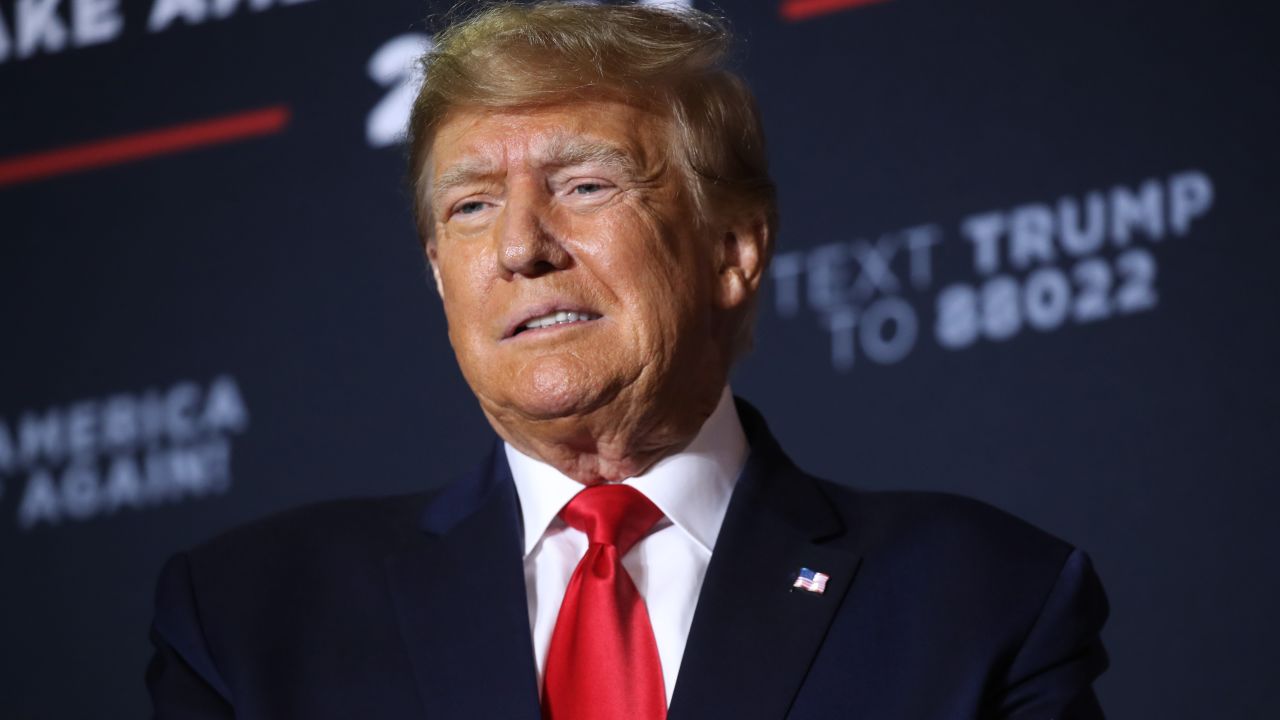
Former President Donald Trump currently faces an array of complex legal challenges and civil liability judgments spanning jurisdictions from Texas to Maine. These legal proceedings involve allegations of business fraud, defamation, and attempts to overturn the 2020 election results, creating a multifaceted portrait of legal exposure that has persisted well into the 2024 presidential election cycle. According to court records and public filings, these cases encompass both state-level criminal indictments and significant federal investigations, each carrying distinct implications for his personal finances and political standing.
The legal landscape facing the former president is defined by four primary criminal indictments, supplemented by high-profile civil litigation. In New York, a jury found Trump liable for sexual abuse and defamation in the case of E. Jean Carroll v. Donald J. Trump, resulting in a total judgment of $83.3 million for defamation in January 2024, following a previous $5 million verdict in 2023, as detailed in court documents reported by Reuters. These financial penalties represent a significant escalation in the civil liabilities accrued by the Trump Organization and the former president personally.
Business Fraud and Financial Oversight
A central pillar of the legal scrutiny involves the civil fraud trial brought by New York Attorney General Letitia James. In February 2024, Judge Arthur Engoron ordered Trump to pay over $355 million—a figure that, with pre-judgment interest, exceeded $450 million—after finding that the former president and his company engaged in a years-long scheme to inflate asset values to secure favorable loan terms. The ruling, documented in the official decision from the Supreme Court of the State of New York, also imposed a three-year ban on Trump serving as an officer or director of any New York corporation.

This case highlights the tension between private business practices and regulatory compliance. The defense argued that the financial statements were vetted by accounting firms and that the loans in question were fully repaid, a position detailed in filings reviewed by the New York Times. However, the court maintained that the systemic overvaluation of assets, including properties in various states, constituted a violation of New York’s Executive Law 63(12).
Election Interference Allegations
Beyond financial disputes, the former president faces two separate criminal cases regarding his efforts to contest the 2020 election results. In Washington, D.C., Special Counsel Jack Smith charged Trump with conspiracy to defraud the United States and obstruction of an official proceeding. According to the indictment filed by the Department of Justice, these charges relate to the events of January 6, 2021, and broader attempts to organize fraudulent slates of electors.

A parallel state-level case in Fulton County, Georgia, brings similar charges under the state’s Racketeer Influenced and Corrupt Organizations (RICO) Act. District Attorney Fani Willis has alleged that Trump and several co-defendants formed a criminal enterprise to overturn the state’s election results. As noted in the official press release from the Fulton County District Attorney’s office, the case relies on evidence involving recorded phone calls and meetings aimed at pressuring election officials.
Ballot Access and Constitutional Challenges
The legal friction extended to the constitutional interpretation of the 14th Amendment, specifically Section 3, which prohibits individuals who have engaged in insurrection from holding office. In early 2024, the Maine Secretary of State, Shenna Bellows, issued a decision to remove Trump from the state’s primary ballot, citing his role in the January 6 Capitol attack. This decision was later appealed and ultimately addressed by the U.S. Supreme Court.

On March 4, 2024, the Supreme Court issued a unanimous ruling in Trump v. Anderson, holding that individual states do not have the authority to disqualify federal candidates under the 14th Amendment’s insurrection clause. The Supreme Court’s opinion clarified that only Congress holds the power to enforce this provision against federal officeholders, effectively reversing the efforts in states like Maine and Colorado to remove the former president from the ballot.
Status of Proceedings
As of mid-2024, the legal schedule remains fluid. The federal criminal case in Washington, D.C., experienced delays pending a Supreme Court review regarding presidential immunity, which was addressed in the court’s ruling in Trump v. United States on July 1, 2024. The court held that presidents possess absolute immunity for actions within their core constitutional authority but are not immune for unofficial acts, as detailed in the official Supreme Court opinion. This ruling necessitated further lower-court analysis to distinguish between official and unofficial conduct.

The next major procedural steps involve ongoing pre-trial motions in the various jurisdictions, including the Georgia RICO case and the federal classified documents case in Florida. Interested parties can monitor these developments through the Public Access to Court Electronic Records (PACER) system for federal filings or the respective county clerk websites for state-level updates. Readers are encouraged to share their thoughts or engage in further discussion regarding these legal developments in the comments section below.