Will Hamas Accept the Proposed Gaza Peace Plan? A Deep Dive into the Prospects for Resolution
The specter of continued conflict in Gaza hangs heavy as Hamas reviews a new peace proposal, brokered with the assistance of Qatar and Egypt. But what are the real chances of Hamas accepting a plan that fundamentally alters its position? and what obstacles – both within Hamas and from key players like IsraelS governing coalition - could derail this potential path to peace? This article provides an in-depth analysis of the current situation, exploring the motivations, constraints, and potential outcomes surrounding this critical juncture.
The Proposal: What’s on the Table?
While specific details remain closely guarded, the core of the proposal, championed by former U.S. President Trump,centers around a cessation of hostilities in exchange for a significant shift in the governance and security landscape of Gaza.Crucially,the plan appears to necessitate a relinquishing of Hamas’s control,a point of significant contention. Arab nations, including Egypt, Jordan, Indonesia, Pakistan, Turkey, Qatar, Saudi Arabia, and the United Arab Emirates, have already voiced their support for the outline, signaling a regional desire for de-escalation.
But is this support enough to sway Hamas? And what are the internal pressures influencing their decision?
Hamas’s Dilemma: Resistance vs. Survival
Hamas has historically maintained a firm stance against disarmament,asserting its right to resist what it views as the ongoing Israeli occupation of Palestinian lands. However, the reality on the ground is starkly different than it was prior to the current conflict. As Dr. Sina Azodi,Assistant Professor of middle East Politics at George Washington University,explains,”Everybody agrees that Hamas cannot and should not have any role in the future of Gaza. So I think that’s a settled issue.”
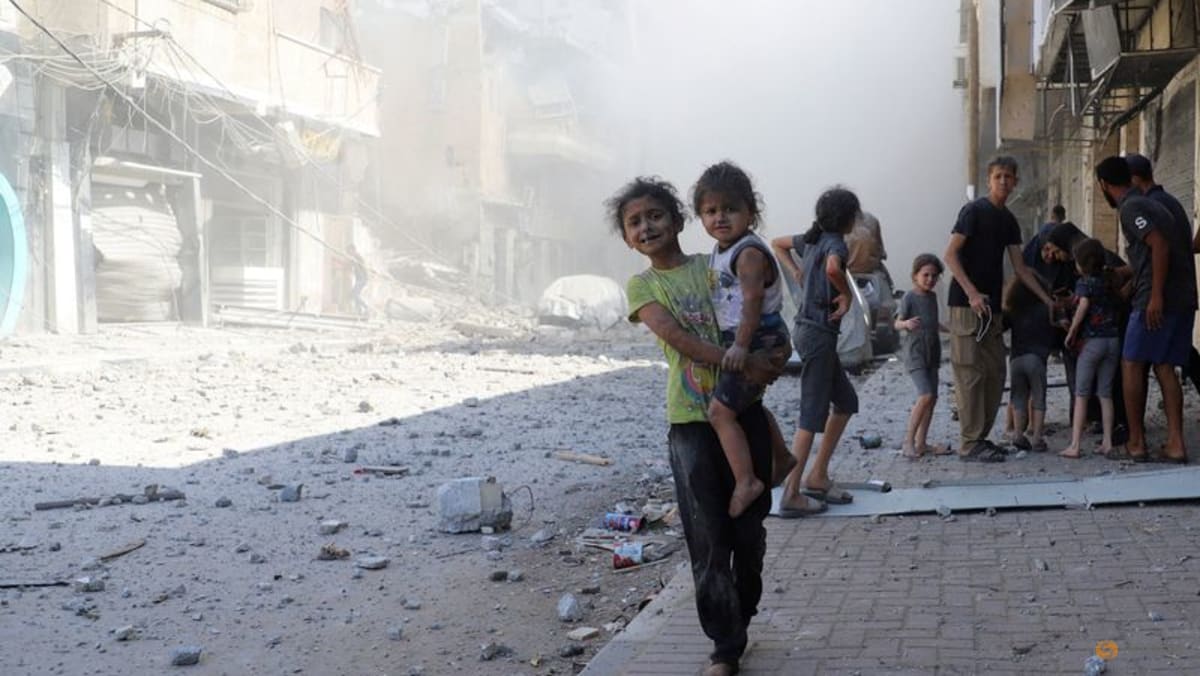
This assessment highlights a critical shift in the power dynamic. The war has decimated Gaza’s infrastructure and severely impacted the livelihoods of its residents. Moreover, a significant portion of Hamas’s leadership has been eliminated. Dr. Azodi argues that Hamas has limited options: “The group has no other choice except to accept the plan unless they want to bring more bloodshed and resist. But this will not serve their interest because then everybody will blame Hamas for the continuation of conflict.”
jessica Genauer, Senior Lecturer in International Relations at Flinders University, echoes this sentiment, noting the unique leverage being applied. “The latest peace proposal was different since it was a plan Trump was ‘clearly very keen’ on, and the president was trying to throw the full force of his leverage behind it.” In essence, Hamas faces a difficult choice: continue down a path of likely further destruction and isolation, or negotiate a future – albeit one drastically different from its current position.
Netanyahu‘s Tightrope Walk: Domestic Constraints and U.S. Relations
The path to peace isn’t solely dependent on Hamas’s decision. Israeli Prime Minister Benjamin Netanyahu also faces significant internal challenges. His governing coalition includes ultra-nationalist factions who vehemently oppose any concessions to the Palestinians.
Finance Minister Bezalel Smotrich, a key figure within Netanyahu’s security cabinet, publicly outlined “red lines” on X, explicitly rejecting any deal that would involve the palestinian Authority in Gaza or the establishment of a Palestinian state. Smotrich, representing a powerful voice within the right-wing bloc, has previously threatened to collapse the government should Netanyahu pursue a premature end to the war.
Though, Netanyahu may attempt to navigate this political minefield by exploiting a loophole within the proposal. The plan conditions Palestinian Authority involvement on substantial internal reforms – reforms Netanyahu publicly doubts will ever be successfully implemented. Moreover,as Genauer points out,Netanyahu is acutely aware of Israel’s reliance on its relationship with the United States,notably given its increasing international isolation. This dependence could provide a compelling reason to pursue a path aligned with U.S. interests, even if it means confronting opposition from within his own coalition.
What Happens Next? Key Questions and Potential Scenarios
The coming days will be crucial. Hamas’s response to the proposal will dictate the trajectory of the conflict. Here are some key questions to consider:
* Will Hamas prioritize its long-term survival over its ideological commitments? The devastation in Gaza and the loss of leadership suggest a pragmatic calculation may be underway.
* Can Netanyahu effectively manage the internal dissent within his coalition? His ability to balance the demands of his hardline allies with the need for U.S. support will be paramount.
* What role will regional actors, particularly Qatar and Egypt, play in mediating the final agreement? Their continued involvement will be essential for ensuring the plan’s viability.
* **How will the international community respond
Worth a look
- 港股ADR普遍較本港收市上升 – RTHK News
- Munchener ruckvers : L’UE donne son feu vert sur l’acquisition d’un portefeuille immobilier …
- Trump says US being ‘invaded by filthy air’ as he threatens Canada with tariffs over wildfires (archyworldys.com)
- Trump Threatens Tariffs on Canada Over Wildfire Smoke and Forest Management (time.news)