UN Security Council Endorses Trump’s Gaza Plan, Paving Way for International Stabilization Force
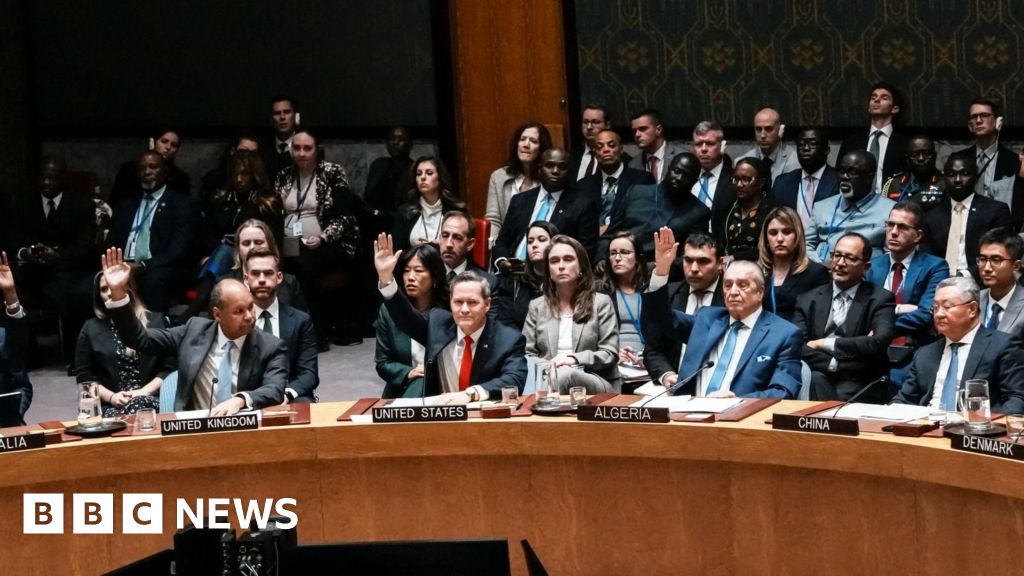
November 17, 2025 – In a significant development, the UN security Council has approved a US-drafted resolution backing donald Trump’s 20-point plan for Gaza. This move establishes a framework for the future of the region, centered around an International Stabilization Force (ISF). The vote signals a potential shift in the ongoing efforts to secure lasting peace and stability.
The resolution passed with a vote of 13 in favor, with no opposing votes. Notably, Russia and China abstained from the vote, reflecting the complex geopolitical landscape surrounding the conflict. This endorsement represents a crucial step in implementing a plan designed to address the multifaceted challenges facing Gaza.
Key Components of the Trump Plan & UN Resolution
The approved resolution outlines several key initiatives. Here’s a breakdown of the core elements:
* International Stabilization Force (ISF): The US reports multiple unnamed nations have pledged contributions to this force. Its primary mission will be to secure the region and support demilitarization efforts.
* Demilitarization of Gaza: A central focus will be the “permanent decommissioning of weapons from non-state armed groups,” including Hamas. This is a key tenet of Trump’s original peace plan.
* New Palestinian Police Force: The resolution calls for the creation of a newly trained Palestinian police force, operating independently of Hamas’ current authority. This aims to establish a legitimate security presence accountable to a future Palestinian government.
* Reconstruction Fund: Financing for Gaza’s reconstruction,following years of conflict,will be sourced from a World Bank-backed trust fund.
* Potential for Palestinian Statehood: acknowledging pressure from Arab states, the draft includes provisions for a path toward a future Palestinian state, a point of contention with Israel.
Hamas Rejects the Resolution
Predictably, Hamas has vehemently rejected the UN resolution. The group views the plan as an imposition of “international guardianship” over Gaza. They argue it undermines Palestinian rights and transforms the ISF into a party aligned with the Israeli occupation.
Specifically, Hamas objects to the ISF’s mandate to disarm resistance groups. They claim this compromises the force’s neutrality and actively participates in the conflict. This rejection underscores the significant hurdles remaining in achieving a comprehensive and lasting peace.
US Perspective and Initial Ceasefire
US Ambassador to the UN, Mike Waltz, emphasized the ISF’s multifaceted role. He stated the force will be “tasked with securing the area, supporting the demilitarization of Gaza, dismantling the terrorist infrastructure, removing weapons, and ensuring the safety of Palestinian civilians.”
The resolution builds upon an initial ceasefire, which came into effect on October 10th. This initial phase focused on the exchange of hostages and detainees, described by Waltz as a “fragile, fragile first step.” The ISF represents the next phase of this broader strategy.
The Board of Peace and Past context
Beyond the ISF, Trump’s plan envisions the establishment of a “Board of Peace,” expected to be lead by the former president himself. This body would likely play a key role in mediating future negotiations and overseeing the implementation of the plan.
This latest development comes after the devastating Hamas-led attack on Israel on October 7, 2023. That attack resulted in approximately 1,200 Israeli deaths and the abduction of 251 hostages. As then, Israeli military action in Gaza has led to over 69,483 Palestinian fatalities, according to the Hamas-run health ministry.
What This Means For You
This UN resolution represents a pivotal moment in the Israeli-Palestinian conflict. While challenges remain,the endorsement of Trump’s plan and the establishment of the ISF offer a potential pathway toward stability. You can expect continued diplomatic efforts, potential resistance from Hamas, and a complex process of reconstruction and security reform in the months and years ahead.
Disclaimer: This article provides information based on publicly available sources as of November 17, 2025. The situation is dynamic and subject to change.