
“`html
Geopolitical Tensions Rise in Greenland as NATO Presence expands
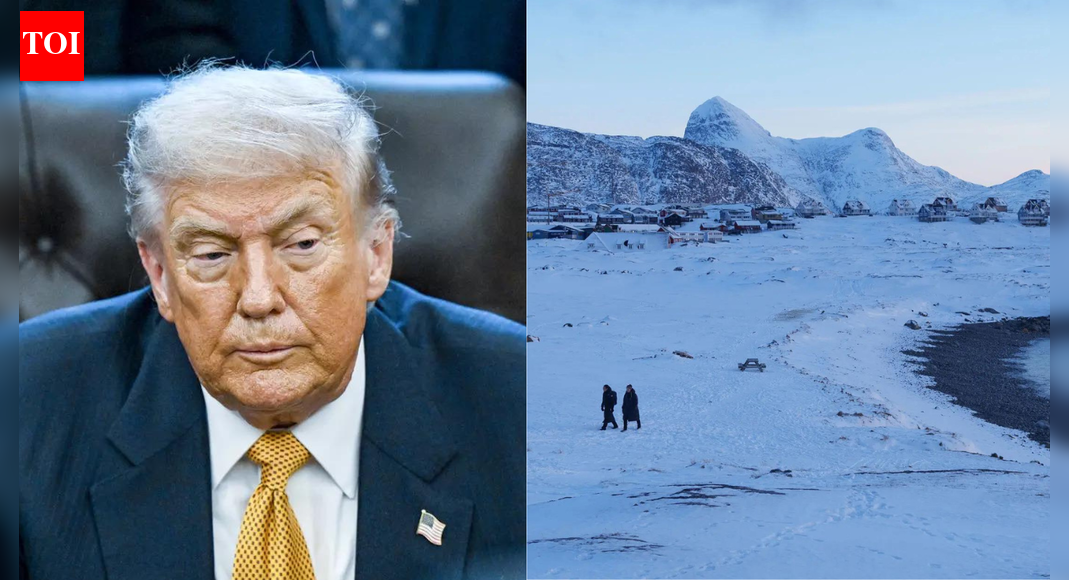
Increased military activity in Greenland, driven by concerns over Russian and Chinese interests in the Arctic, is raising anxieties among residents about being drawn into a larger geopolitical conflict.While the United States has previously expressed interest in greater control over the strategically crucial island, recent deployments of troops from several European nations are reshaping the security landscape and prompting a strong reaction from Russia.
US Interest in Greenland and Past proposals
Former U.S. President Donald Trump publicly explored the possibility of the United States acquiring Greenland in 2019, citing strategic and resource-related interests. The proposal was met wiht rejection from both Denmark and Greenland, which enjoys a high degree of autonomy within the Kingdom of Denmark. Despite the initial rejection, the U.S. continues to view the Arctic region as crucial for national security, especially as climate change opens up new shipping routes and access to resources.
European Military Deployments and NATO Expansion
In response to perceived threats from Russia and China,several European NATO members - France,Germany,Sweden,and Norway – have begun deploying military personnel to Nuuk,Greenland’s capital.These deployments are framed as reconnaissance missions aimed at assessing Arctic security needs and enhancing cooperation.Reuters reports that the mission includes increased military flights and naval activity, with personnel focusing on training exercises.
Danish and Greenlandic Perspectives
Danish Prime Minister Mette Frederiksen has acknowledged the American interest in acquiring Greenland remains, describing the situation as “a serious matter.” Denmark is working to strengthen Arctic security in collaboration with allies, but has consistently rejected the idea of a U.S. takeover. Greenland’s Deputy Prime Minister, Mute Egede, has confirmed the increased NATO presence and emphasized the focus on training exercises. Though, the growing military activity has sparked concerns among Greenlandic residents about being caught in a potential conflict between major powers.
Russian Response and Geopolitical Implications
Russia has strongly condemned the increased NATO presence in Greenland, accusing the alliance of using “false pretenses” to build up forces and escalate tensions. The Russian embassy in Belgium stated that the deployments are “of serious concern” and contribute to a destabilizing surroundings.This reaction underscores the broader geopolitical competition unfolding in the Arctic, where Russia also has critically important military and economic interests.
Why Greenland Matters
Greenland’s strategic importance stems from its geographic location. It controls key sea lanes connecting the Atlantic and Arctic Oceans. The island also possesses significant mineral resources, including rare earth elements, which are vital for modern technology. As the Arctic becomes more accessible due to climate change, control over Greenland and its surrounding waters will become increasingly valuable.
key Takeaways
- The United States has previously expressed interest in acquiring Greenland, but Denmark and Greenland have rejected the proposal.
- European NATO members are increasing their military presence in Greenland in response to concerns about Russian and Chinese activity.
- Russia has condemned the NATO deployments, viewing them as a provocation.
- Greenlandic residents are concerned about becoming caught in a broader geopolitical conflict.
- The Arctic is becoming a focal point of geopolitical competition due to climate change and access to resources.
Looking ahead
The situation in Greenland is likely to remain tense as geopolitical competition in the Arctic intensifies. Continued dialogue between the United states, Denmark, and Greenland will be crucial to managing the situation and addressing the concerns of the local population. The establishment of the “working group” mentioned by Danish Prime Minister Frederiksen is a positive step, but a long-term solution that balances


