
The strategic tension gripping the Strait of Hormuz has evolved from a regional military standoff into a global economic alarm. As the United States and Israel carry out sustained military strikes on Iran, the resulting geopolitical volatility is now reverberating far beyond the Persian Gulf, placing an unprecedented strain on markets across the African continent.
At the center of this escalating crisis is Trump’s Hormuz Blockade plan, a proposed naval blockade targeting vessels connected to Iranian ports. The Strait of Hormuz serves as the world’s most critical energy artery, facilitating the movement of roughly one-fifth of the global oil and gas supply. Any significant disruption to this corridor does not merely affect the immediate combatants; it threatens to destabilize economies that rely on these flows for survival, particularly in Sub-Saharan Africa.
For many African nations, the exposure is indirect but profound. From the rising cost of fuel in Nairobi to the price of fertilizer for farmers in the Sahel, the ripple effects of a blockade are already manifesting as severe external shocks. As we analyze the data, it becomes clear that the continent is once again facing a compounded crisis where energy insecurity and food inflation converge.
The Energy Shock: Divergent Realities for African Nations
The immediate impact of the volatility in the Gulf is most visible in energy pricing. According to the World Bank’s April 2026 Africa Economic Update, the region is highly vulnerable to the fallout of the Middle East crisis. The bank reported that spot prices for Brent crude have surged by 67 per cent, although European natural gas prices have climbed by 58 per cent since the onset of the conflict.
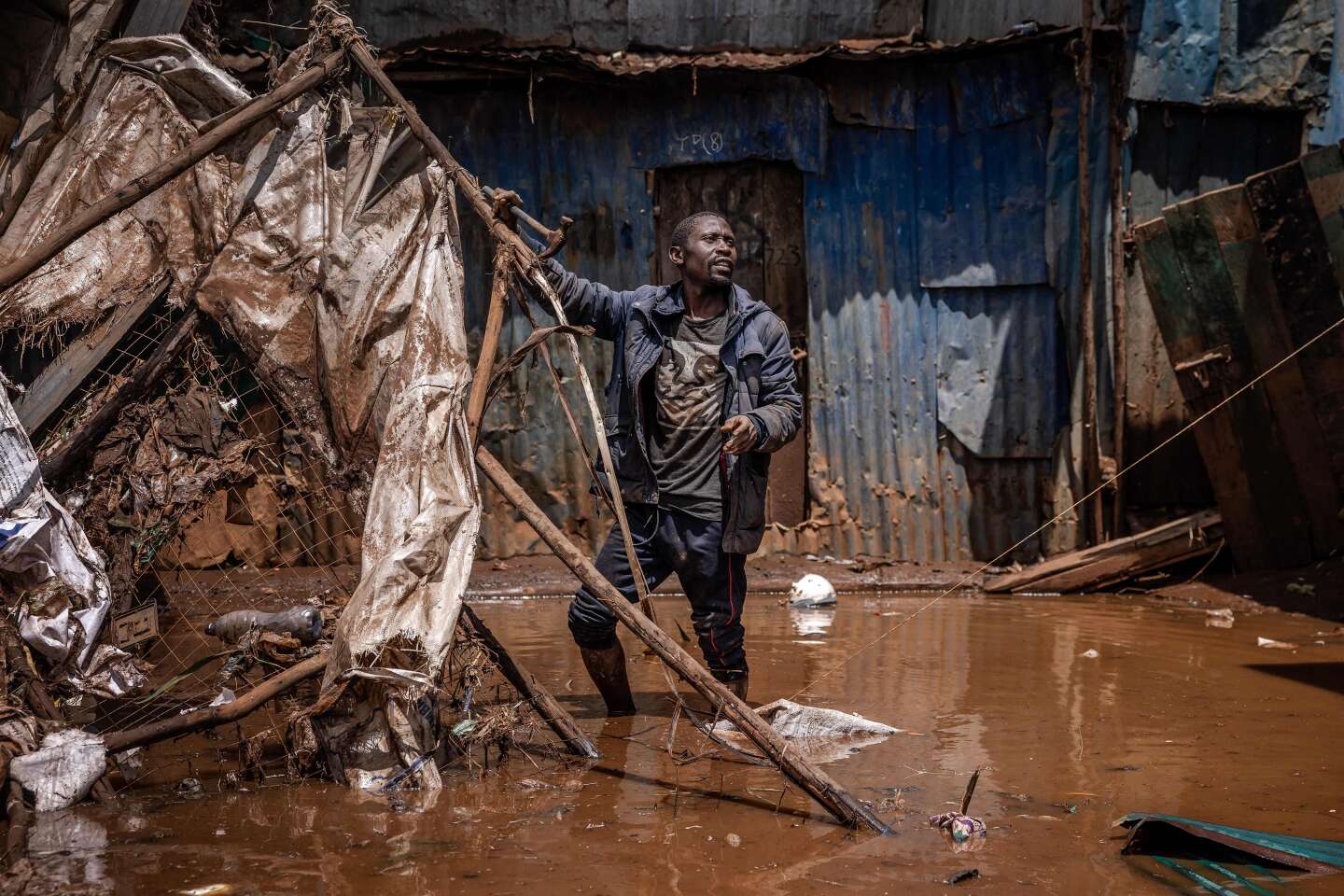
This price surge creates a complex, divergent economic reality across Africa. For major oil-exporting nations such as Nigeria, Angola, and Gabon, the spike in crude prices may appear to offer a short-term windfall in revenue. However, these gains are often illusory. Many of these countries suffer from structural constraints, most notably a heavy reliance on imported refined petroleum products. The benefit of higher export prices is frequently offset by the soaring cost of domestic fuel, leaving their internal markets exposed to the same inflationary pressures as non-oil producers.
The situation is far more precarious for oil-importing economies, particularly in East and Southern Africa. Nations including Kenya, Ethiopia, and South Africa remain heavily dependent on fuel shipments from Gulf producers. A full implementation of the blockade could tighten supply chains and significantly increase landing costs for fuel. The World Bank warns that these constraints are increasing the likelihood of fuel shortages, which may force governments to implement drastic measures, including price adjustments, subsidy expansions, or outright rationing.
Current reports indicate that the maritime environment remains highly volatile. While some vessels continue to navigate the corridor, the risk remains high; for instance, reports have noted ships crossing the Strait after stopping at Iranian ports despite the ongoing US blockade BBC.
Agricultural Strain and the Threat of Food Insecurity
Beyond the immediate cost of gasoline and diesel, the crisis is infiltrating African agricultural supply chains. The Middle East is a primary source of essential fertilizer inputs. As the blockade and surrounding tensions disrupt these shipments, global fertilizer prices have already begun to climb.
For the millions of smallholder farmers across Africa, higher input costs are not merely a line item on a balance sheet—they are a threat to food security. Increased expenses for fertilizer often lead to reduced crop yields, as farmers are unable to afford the necessary nutrients for their soil. This creates a dangerous cycle: higher production costs lead to a surge in food inflation, which disproportionately affects the most vulnerable populations who spend a majority of their income on basic nutrition.
Analysts warn that this “compounded energy and food crisis” arrives at a time when many African governments are already struggling with high debt servicing obligations, leaving them with little fiscal room to provide the necessary safety nets for their citizens.
Macroeconomic Risks and Financial Market Volatility
The broader financial implications of the blockade plan are manifesting as a flight to safety. Global investors, spooked by the prospect of a full-scale regional war, are shifting capital toward safe-haven assets. This shift typically triggers a withdrawal of liquidity from emerging and frontier markets, including those in Africa.
This capital flight leads to several critical macroeconomic pressures:
- Currency Depreciation: As investors pull out, local currencies weaken, making imports even more expensive and further fueling inflation.
- Tighter Financing: Borrowing costs for African governments increase, complicating the ability to fund infrastructure or social programs.
- Monetary Policy Dilemmas: Central banks across the continent are forced to choose between raising interest rates to combat inflation—which threatens to stifle economic growth—or keeping rates low and risking further currency collapse.
The Risk to Gulf-African Investments
There is also a significant long-term risk regarding foreign direct investment. Gulf economies, specifically the United Arab Emirates, Saudi Arabia, and Qatar, have evolved into pivotal investors across Africa. Their portfolios span critical sectors including energy infrastructure, agriculture, and urban development.
Prolonged instability in the Strait of Hormuz could lead these sovereign wealth funds to scale back or delay their investments. Given the scale of Gulf capital in African infrastructure, any reduction in these flows would create a vacuum in funding that could stall the continent’s growth outlook for years.
The current situation remains a geopolitical flashpoint, with the US continuing to implement measures to blockade Iranian ports and ships Sky News.
A Crisis of External Vulnerability
At its core, the tension surrounding Trump’s Hormuz Blockade plan highlights a recurring and painful theme for the African continent: its extreme vulnerability to external shocks. Africa has neither initiated nor controlled the military strikes between the US, Israel, and Iran, yet it is positioned to bear a substantial portion of the economic brunt.
The transmission of this crisis through energy, food, and financial channels demonstrates how interconnected the global economy has become. When a strategic waterway in the Middle East is threatened, a farmer in Kenya or a commuter in Lagos feels the impact almost immediately. The exposure is indirect, but the consequences—inflation, food insecurity, and financial instability—are tangible and severe.
As the international community watches the Strait of Hormuz, the focus must expand to include the systemic risks being imposed on the Global South. Without a diplomatic resolution or a stabilization of maritime routes, African economies may find themselves trapped in a cycle of inflation and debt, driven by a conflict thousands of miles from their shores.
The situation remains fluid, with maritime monitors continuing to track ship movements through the strait amid ongoing blocks Al Jazeera. We will continue to monitor official updates from the World Bank and maritime authorities regarding the stability of these energy routes.
Do you believe the international community is doing enough to protect emerging markets from geopolitical shocks in the Middle East? Share your thoughts in the comments below or share this analysis with your network.