
The nomination of Bill Pulte to lead the Office of the Director of National Intelligence (ODNI) has sparked significant friction within the Republican caucus, signaling a challenging path ahead for the administration’s national security agenda. As the Senate prepares for the formal confirmation process, lawmakers are voicing sharp concerns regarding the suitability of the nominee for one of the most sensitive roles in the United States government.
Senator Thom Tillis, a Republican from North Carolina, has been among the most vocal critics of the selection. During recent discussions on Capitol Hill, Tillis expressed deep skepticism regarding the nomination, stating that he does not think the nominee “has a prayer” of securing the necessary support for confirmation. These remarks underscore a broader unease among senior GOP members who typically align with the party’s executive branch leadership but are finding themselves at odds with this specific appointment.
Legislative Hurdles and Intelligence Oversight
The role of the Director of National Intelligence requires a delicate balance of political acumen and deep expertise in the intelligence community. The position, established under the Intelligence Reform and Terrorism Prevention Act of 2004, is intended to serve as the primary advisor to the President on national security matters while overseeing the integration of foreign, military, and domestic intelligence across the government as mandated by federal law. Critics of the current nomination process argue that the pick may complicate the reauthorization of vital surveillance authorities, which are essential tools for the intelligence community to monitor foreign threats.
Senator John Thune, the Senate Minority Whip, has also signaled caution, emphasizing that the intelligence community requires leadership that is focused on stability and non-partisan analysis. Thune noted that the Senate does not need a “weaponized” director of national intelligence, reflecting concerns that the office could become increasingly politicized under the proposed leadership. Such rhetoric suggests that the confirmation hearing could become a contentious forum for debating the future of intelligence gathering and the scope of executive oversight.
Potential Impact on Agency Agenda
Beyond the intelligence portfolio, the nomination has raised questions about the continuity of other federal initiatives. Bill Pulte’s previous involvement in housing policy has led to speculation about his ability to manage the transition from a domestic-focused agenda to the high-stakes environment of global intelligence. The uncertainty regarding his dual-focus potential has left some lawmakers questioning whether the administration has fully considered the operational demands of the DNI office.
Historically, the Senate Select Committee on Intelligence conducts a rigorous vetting process for the DNI nominee, involving extensive background checks and closed-door briefings. Given the current legislative climate, observers expect that the committee will press for detailed answers on how the nominee plans to reform agency protocols and maintain the integrity of intelligence reports. The requirement for transparency in these proceedings is a cornerstone of the oversight process, ensuring that the intelligence community remains accountable to both the executive and legislative branches.
What Happens Next
The confirmation process remains in its preliminary stages. The Senate Select Committee on Intelligence is expected to announce a schedule for formal hearings in the coming weeks, where the nominee will face questioning from members of both parties. The outcome of these hearings will be a critical indicator of whether the nominee can overcome the current congressional resistance.
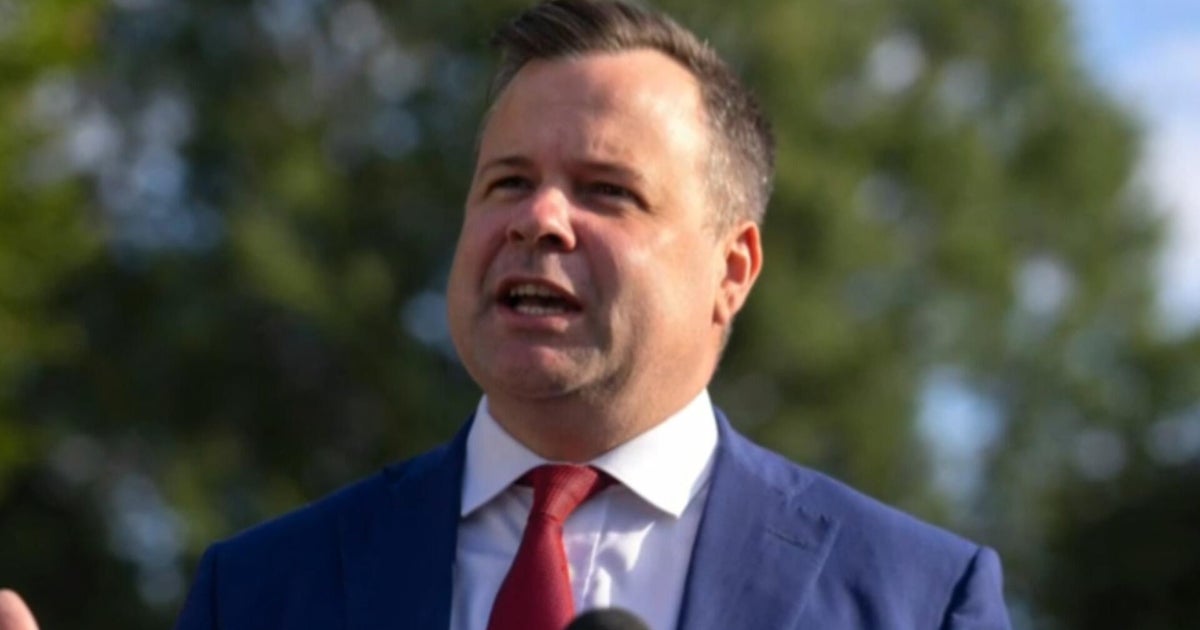
For citizens and stakeholders following the development of national security policy, the next official checkpoint will be the public release of the committee’s hearing calendar. The Senate maintains an official archive of committee hearings and witness testimonies, which serves as the primary source for tracking the progress of executive branch confirmations. As the debate continues, the focus remains on whether the nominee can address the specific concerns raised by senior lawmakers regarding the politicization of the intelligence apparatus.
We invite our readers to share their perspectives on this developing story in the comments section below. Your engagement helps foster a better understanding of the complex political landscape currently unfolding in Washington.
Related reading