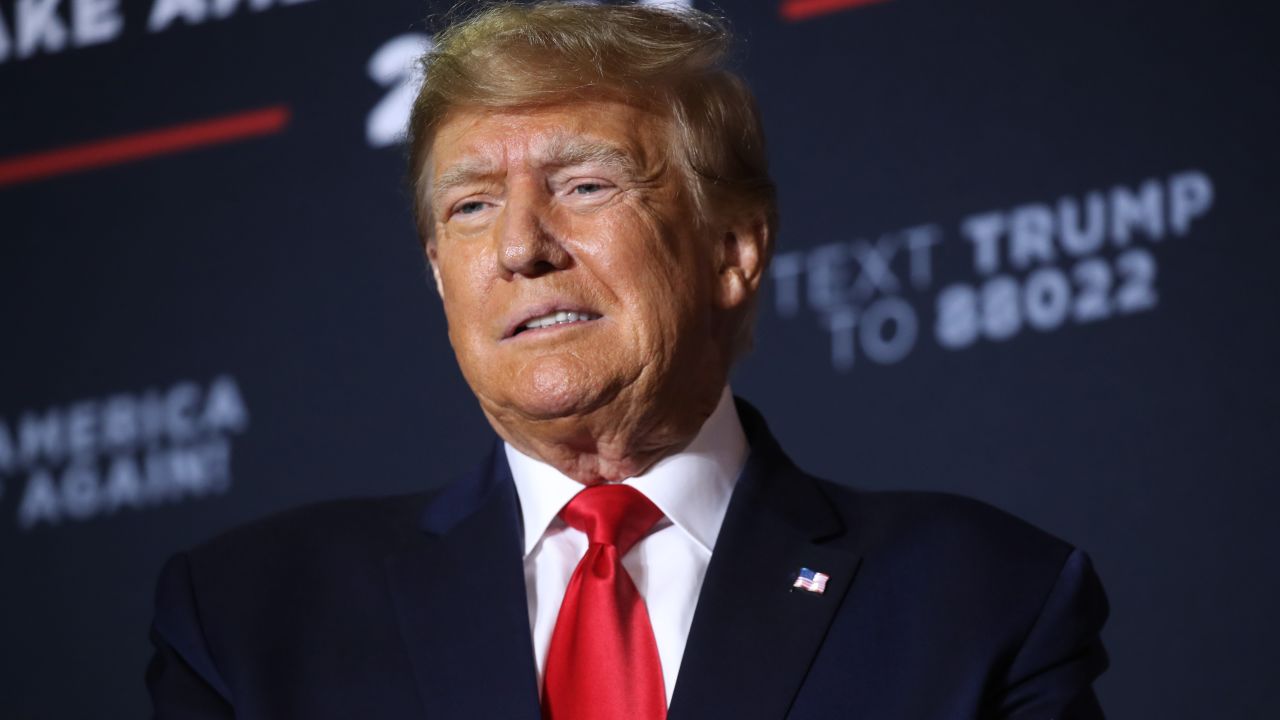
The United States did not sign a specific agreement with Iran that granted Tehran legal or operational control over the Strait of Hormuz, as the waterway is governed by international maritime law and the 1982 United Nations Convention on the Law of the Sea (UNCLOS). However, the Trump administration’s 2018 withdrawal from the Joint Comprehensive Action Plan (JCPOA) and the subsequent “maximum pressure” campaign coincided with a period of increased Iranian military activity and seizures of foreign tankers in the strait, according to reports from Reuters and the Associated Press.
The Strait of Hormuz remains the world’s most critical oil chokepoint, with approximately one-fifth of the world’s total oil consumption passing through it daily. Under international law, ships enjoy the right of “transit passage,” which allows for the continuous and expeditious transit of vessels in the strait. Iran, while not a party to UNCLOS, has frequently claimed that this right is limited and that it possesses the authority to regulate or restrict traffic based on security concerns.
During the Trump presidency, the shift from the JCPOA’s diplomatic framework to aggressive economic sanctions led to a series of escalations. Between 2019 and 2020, the Islamic Revolutionary Guard Corps Navy (IRGCN) increased its presence in the Gulf, leading to the seizure of tankers and attacks on commercial vessels. These actions were often framed by Tehran as responses to the U.S. seizure of Iranian oil tankers and the freezing of Iranian assets.
The Impact of the JCPOA Withdrawal on Maritime Security
In May 2018, President Donald Trump withdrew the United States from the JCPOA, an agreement designed to limit Iran’s nuclear program in exchange for sanctions relief. The U.S. government argued the deal was flawed and failed to address Iran’s ballistic missile program or its regional influence. According to the U.S. Department of State archives, the administration implemented a policy of “maximum pressure” to force Iran back to the negotiating table.


This policy shift removed the diplomatic guardrails that had previously stabilized tensions in the Persian Gulf. Rather than securing the waterway, the removal of sanctions relief incentivized Iran to use its geographical advantage in the Strait of Hormuz as economic leverage. By threatening to close the strait or harass shipping, Iran sought to signal that the costs of U.S. sanctions would be borne by global energy markets.
The result was a period of heightened volatility. In June 2019, the U.S. Navy reported that Iranian forces had interfered with U.S. and allied vessels. The Trump administration responded by deploying additional naval assets and creating the International Maritime Security Construct (IMSC) to provide escorted convoys for commercial ships, a move documented by the U.S. Navy.
Iran’s Military Assertion and the ‘Tanker War’
The Iranian military, specifically the IRGCN, utilized “swarm tactics”—deploying numerous small, fast-attack boats—to intimidate larger commercial vessels. This strategy allowed Iran to assert authority over the waterway without triggering a full-scale conventional war with the U.S. Fifth Fleet based in Bahrain.
A critical escalation occurred in July 2019, when the U.S. seized an Iranian tanker, the *Grace*, in Gibraltar. In a direct response, Iran seized the British-operated tanker *Stena Impero* in the Strait of Hormuz. This “tit-for-tat” cycle demonstrated that the U.S. approach had not neutralized Iran’s ability to disrupt the flow of global energy supplies, but had instead created a volatile environment where commercial shipping became a political pawn.
Analysis from the Center for Strategic and International Studies (CSIS) indicates that Iran’s ability to mine the strait or use land-based anti-ship missiles makes any attempt to “secure” the waterway through sanctions alone nearly impossible. The geographical reality of the strait—narrow channels flanked by the Iranian coast—gives Tehran a natural tactical advantage regardless of the diplomatic agreement in place.
Global Energy Stakes and Market Volatility
The vulnerability of the Strait of Hormuz has a direct impact on global Brent crude prices. Because the strait is the only viable exit for oil from Saudi Arabia, Iraq, the UAE, Kuwait, and Iran, any perceived threat of closure triggers immediate market volatility.

During the 2019-2020 period, oil prices fluctuated sharply in response to news of tanker seizures and the assassination of Iranian General Qasem Soleimani in January 2020. The International Energy Agency (IEA) has noted that while some countries have built pipelines to bypass the strait, the vast majority of Gulf oil still relies on this single point of failure.
The failure to secure the strait was not a failure of a specific “deal” signed by Trump—as no such deal existed—but rather a failure of the “maximum pressure” strategy to deter Iran from using its maritime capabilities. By alienating European allies who were still committed to the JCPOA, the U.S. struggled to build a cohesive international coalition to police the waterway until the IMSC was established.
Current Status of the Waterway
Following the transition to the Biden administration, the U.S. continued to maintain a naval presence in the region, though the focus shifted toward tentative diplomatic outreach. However, the IRGCN continues to seize vessels periodically, often citing “environmental violations” or “maritime law” as justification, according to Reuters.
The fundamental tension remains: the U.S. views the Strait of Hormuz as an international waterway where freedom of navigation is absolute, while Iran views it as its internal sovereign territory or a zone where it can exercise “police powers” to protect its national security.
The next critical checkpoint for regional stability will be the ongoing negotiations regarding the potential revival of a nuclear agreement or a new framework for maritime security in the Gulf. Official updates from the UN and the State Department regarding Iranian sanctions waivers will likely dictate the level of aggression seen in the strait in the coming months.
Do you believe diplomatic agreements or military presence is more effective in securing global chokepoints? Share your thoughts in the comments below.
Keep reading