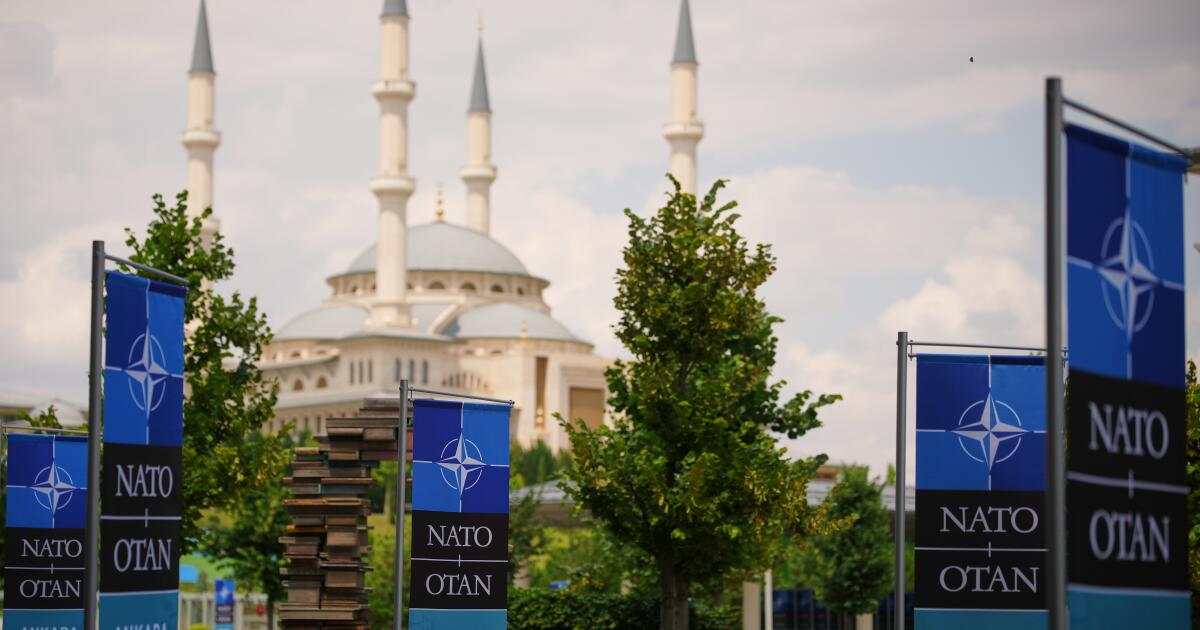
Donald Trump is arriving at the NATO summit amid strained relations with European allies over defense spending and strategic disagreements regarding U.S. involvement in Middle Eastern conflicts. The meeting occurs as the U.S. administration pushes for increased contributions from member states and seeks broader alignment on security policies, specifically regarding Iran.
Tensions have escalated following reports that several European governments have declined to join the United States in military actions against Iran. This divergence in foreign policy has created a diplomatic rift, with the U.S. administration expressing frustration over what it characterizes as a lack of solidarity among the North Atlantic Treaty Organization’s allies. According to official statements from the White House, the U.S. expects its partners to share the burden of regional security more equitably.
The summit serves as a critical juncture for the alliance, as the U.S. continues to monitor whether member nations will meet the agreed-upon target of spending 2% of their gross domestic product (GDP) on defense. This financial benchmark, established in 2014, remains a primary point of contention for President Trump, who has frequently questioned the value of the alliance if members do not fulfill their fiscal commitments.
Why is the U.S. disagreeing with European allies on Iran?
The primary friction point stems from a fundamental difference in how Washington and various European capitals approach the Iranian government. While the U.S. has adopted a “maximum pressure” campaign—combining heavy economic sanctions with the threat of military force—many European nations have sought to maintain diplomatic channels and preserve the framework of the Joint Comprehensive Plan of Action (JCPOA).

The refusal of some European governments to commit troops or resources to a U.S.-led war effort in Iran has been described by U.S. officials as a failure of the collective defense spirit. This disagreement is not merely tactical but reflects a broader split in geopolitical strategy: the U.S. prioritizes the containment of Iranian influence through strength, while several EU members prioritize stability through negotiation and economic engagement.
This policy gap has significant implications for the NATO alliance. Because NATO is primarily designed for the defense of the North Atlantic area, the application of its resources to Middle Eastern conflicts is often a point of debate. However, the U.S. argues that instability in the Persian Gulf directly impacts global energy markets and security, thereby making it a concern for all member states.
How does defense spending impact NATO stability?
The 2% GDP spending target is the central economic metric governing current NATO relations. According to data from NATO, a significant number of member states have historically fallen short of this goal, leading to accusations from the U.S. that it is subsidizing the security of wealthy European nations.
President Trump has linked these financial shortcomings to the overall reliability of the alliance. The argument presented by the U.S. administration is that a lack of investment in domestic military capabilities renders European nations dependent on American power, which in turn makes them less likely to support U.S. strategic objectives abroad, such as the campaign against Iran.
European leaders have countered by pointing to increased spending since 2014 and the complexities of domestic political budgets. Despite these arguments, the U.S. continues to push for immediate and verifiable increases in defense budgets as a prerequisite for continued American leadership within the organization.
What happens next for the alliance?
The outcome of the current summit will likely depend on whether a compromise can be reached regarding the “burden-sharing” debate. Observers expect the U.S. to demand concrete pledges of increased spending and a more unified stance on Iranian aggression in exchange for continued security guarantees.

If European nations remain steadfast in their refusal to join a military conflict in Iran, the U.S. may shift its focus toward bilateral security arrangements rather than multilateral ones. This would signal a move away from the traditional collective defense model that has defined the alliance since 1949.
The next confirmed checkpoint for the alliance will be the release of the summit’s joint communiqué, which will detail any agreed-upon changes to defense spending targets or shared strategic goals regarding regional threats. This document typically outlines the official consensus of the member states and serves as the roadmap for the alliance’s operations over the coming year.
We invite our readers to share their perspectives on the future of the transatlantic alliance in the comments section below.