Teh Potential for a New Middle East Order: Saudi Arabia and the Expanding Abraham Accords
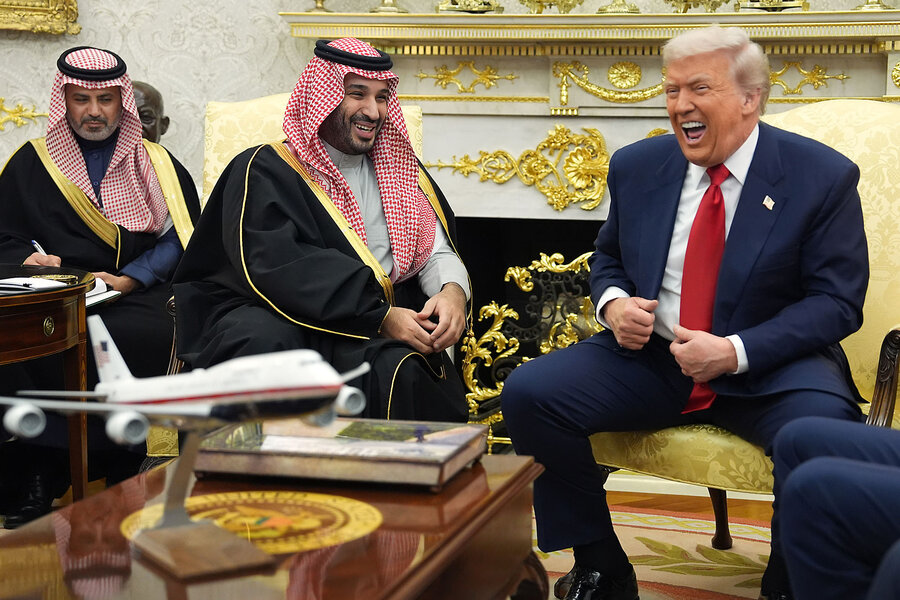
A significant shift in Middle Eastern geopolitics is underway, centered around the potential for Saudi Arabia to join the Abraham Accords. This move, championed by a renewed push from the United States, could reshape regional alliances and address critical challenges - but significant hurdles remain.
The current model draws heavily from the 2020 Abraham accords,a landmark achievement that normalized relations between Israel and the United Arab Emirates,Bahrain,and Morocco. It successfully leveraged shared economic and security interests to forge a groundbreaking agreement. Now, the ambition is to broaden this framework, with Saudi Arabia as a pivotal new participant.
Why Saudi Arabia Matters
Saudi Arabia’s inclusion would be transformative for several reasons:
* Political Influence: As the most politically influential state in the Gulf and the custodian of Islam’s holiest sites, Saudi Arabia wields immense regional power.
* Economic Resources: The kingdom’s vast oil wealth could be instrumental in addressing pressing regional needs.
* Regional Stability: A Saudi-Israel normalization could contribute substantially to broader stability in a volatile region.
Rebuilding Gaza and Stabilizing Syria
The financial resources of Saudi Arabia and other Gulf states could play a vital role in the reconstruction of war-torn Gaza.Furthermore, thes funds could help stabilize post-civil war Syria. Recently,the U.S. temporarily lifted sanctions on Syria, partly influenced by encouragement from Saudi Crown Prince Mohammed bin Salman, and welcomed syrian President Ahmed al-Sharaa to the White House.
Netanyahu’s Concerns and the Palestinian Question
However, the path forward isn’t without obstacles.Israeli Prime Minister Netanyahu remains deeply skeptical about ensuring long-term security in Gaza without maintaining military control of the territory. This position enjoys considerable support within Israel.
Additionally, netanyahu has consistently opposed the creation of a Palestinian state - a key condition set by Saudi Arabia for joining the Abraham Accords. You might be wondering how these conflicting viewpoints can be reconciled.
A Delicate Balancing Act
The current Israeli leader is facing legal challenges and upcoming elections, creating a complex political landscape.A historic peace agreement with Saudi arabia could significantly bolster Netanyahu’s electoral prospects. This dynamic adds another layer of complexity to the negotiations.
The U.S. is hoping to leverage this situation to encourage compromise. It’s a delicate balancing act, requiring careful diplomacy and a willingness from all parties to address deeply held concerns.
Looking Ahead
Ultimately, the success of this endeavor hinges on finding a way to bridge the gap between Israeli security concerns and Saudi Arabia’s demands regarding the Palestinian issue. If a path forward can be forged, it could usher in a new era of cooperation and stability in the Middle East. You can expect continued, intense diplomatic efforts in the coming months as the parties work towards a potential breakthrough.
Related reading