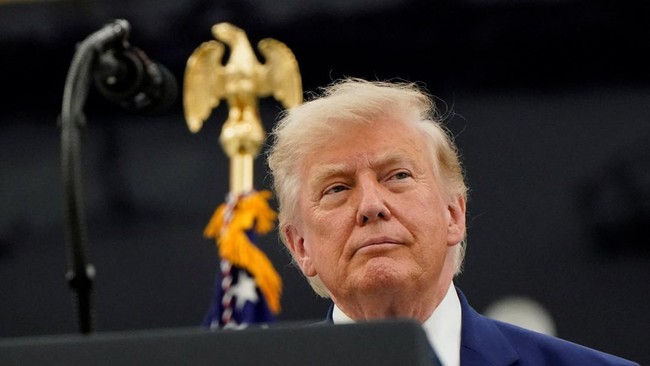
International trade markets face renewed uncertainty as the United States prepares to implement potential tariff adjustments affecting approximately 60 nations. These proposed trade measures, which include duties ranging from 10-12,5%, signal a shift in U.S. economic policy that analysts suggest will significantly reshape global currency volatility and trade flows. For emerging economies like Indonesia, the prospect of these tariffs introduces new risks to export competitiveness and complicates existing trade relationships with Washington.
The proposed tariff framework arrives amid broader efforts by U.S. policymakers to address perceived trade imbalances. According to analysis from MUFG Bank, the implementation of such broad-based trade barriers is expected to act as a catalyst for increased volatility in foreign exchange markets. As the U.S. dollar reacts to these protectionist shifts, central banks in affected jurisdictions are bracing for potential capital outflows and pressure on their domestic currencies, according to reports published on FXStreet.
Trade Barriers and the Impact on Global Markets
The core of the current trade tension rests on the U.S. administration’s strategy to leverage import tariffs to protect domestic industries and challenge the dominance of foreign financial systems. While the 10-12,5% tariff range targets a wide swath of nations, specific actions against individual countries have already commenced. For instance, the United States has moved to impose a 25% tariff on select goods imported from Brazil, as reported by DetikFinance. This targeted approach highlights the administration’s willingness to utilize sector-specific trade barriers to exert diplomatic and economic pressure.

Beyond traditional commodities, the scope of these trade actions extends to digital and financial infrastructure. Recent reports indicate that U.S. authorities are scrutinizing the Pix instant payment system in Brazil. This regulatory attention is viewed by market analysts as an attempt to challenge the established global dominance of U.S.-based payment giants, specifically Visa and Mastercard, according to data from IDNFinancials. By questioning the operational standards of non-U.S. payment systems, Washington is expanding the battlefield of its trade policy from physical goods to digital financial services.
Implications for Indonesian Trade Stability
For Indonesia, the primary concern remains how these global tariff adjustments will filter down to Southeast Asian trade corridors. As a major exporter of raw materials and manufactured goods, Indonesia remains sensitive to fluctuations in U.S. trade policy. The potential for a 10-12,5% tariff on a broad group of countries suggests that Indonesian exports could face increased cost barriers when entering the U.S. market, potentially forcing local manufacturers to seek alternative trade partners or adjust pricing strategies, as discussed in reports from CNBC Indonesia.
Economists are closely monitoring whether these tariffs will trigger a “tit-for-tat” escalation. If major economies respond with retaliatory measures, the resulting trade friction could dampen global demand, impacting Indonesia’s commodity-heavy export profile. The uncertainty surrounding these tariffs is further compounded by the volatility of the U.S. dollar, which remains the primary currency for most of Indonesia’s international trade settlements.
What Happens Next for Global Trade Policy
Market participants are currently awaiting formal notifications regarding the exact timeline for the implementation of the 10-12,5% tariff threshold. While the policy intent has been communicated, the specific list of affected goods and the effective dates for these duties remain the subject of intense scrutiny by international trade lawyers and corporate planners. The next significant checkpoint for stakeholders involves the publication of these rules, which will provide the necessary legal clarity for exporters and importers.
For now, businesses involved in trans-Pacific trade are advised to monitor official updates. As these policies evolve, the global economic landscape is expected to remain in a state of flux, with currency markets continuing to adjust to the shifting trade environment. We encourage readers to share their insights or questions regarding how these trade policies might impact their specific industries in the comments section below.
Keep reading