
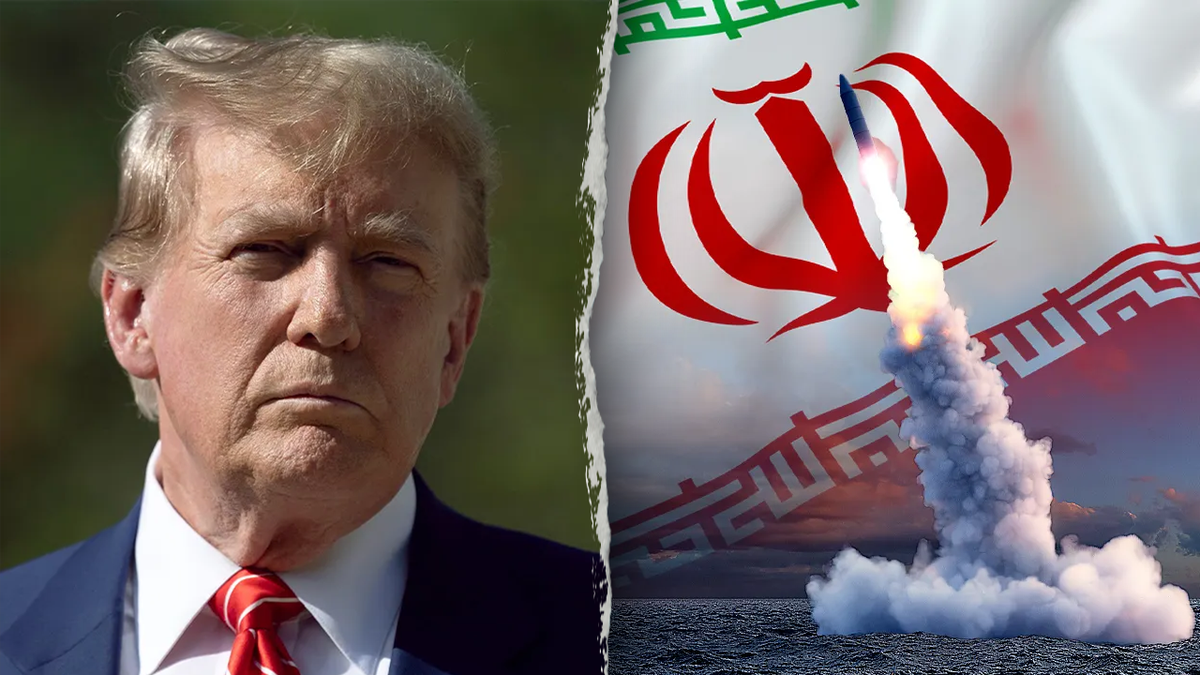
Former U.S. President Donald Trump has warned Iran that it will face “ultimate consequences” if it violates any agreement regarding its nuclear program, according to multiple reports. His remarks come amid ongoing discussions about potential U.S. policy shifts toward Tehran and regional stability concerns. Analysts say the comments reflect Trump’s hardline stance on Iran’s nuclear ambitions, which he has repeatedly framed as an existential threat to Israel and U.S. allies in the Middle East.
Trump’s latest statements, delivered during a meeting with G7 allies, underscore his opposition to any deal perceived as weakening sanctions or allowing Iran to advance its nuclear capabilities. “Iran will never get a nuclear weapon on my watch,” Trump stated, according to BBC reporting. His remarks align with a broader pattern of U.S. policy under his administration, which sought to isolate Iran economically and militarily through sanctions and regional pressure campaigns.
The timing of Trump’s warnings is significant, as negotiations between Iran and Western powers over reviving the 2015 nuclear deal—officially known as the Joint Comprehensive Plan of Action (JCPOA)—remain stalled. Iran has insisted on lifting sanctions in exchange for renewed compliance with nuclear restrictions, while the U.S. has demanded stricter terms. Trump’s comments suggest he would reject any agreement that does not guarantee Iran’s permanent exclusion from nuclear weapons development, a position that clashes with the more flexible approach taken by the Biden administration.
Meanwhile, reports suggest that a potential U.S.-Iran deal could unlock billions in frozen Iranian assets, though Trump has dismissed such claims. “We will not put any money into Iran,” he told reporters at the G7 summit, according to CNBC. This stance contrasts with earlier discussions about releasing funds held in South Korean and European banks, which Iran has sought to access for economic relief.
What Trump’s Warnings Mean for Iran and the Middle East
Trump’s rhetoric signals a potential shift in U.S. policy if he returns to the presidency in 2024. His administration’s approach to Iran was characterized by:

- Maximum pressure: A sanctions regime targeting Iran’s oil exports, financial sector, and military ties, designed to cripple its economy and deter nuclear progress.
- Regional alliances: Strengthened cooperation with Israel, Saudi Arabia, and Gulf states to counter Iranian influence in Syria, Yemen, and Lebanon.
- Military deterrence: Increased U.S. military presence in the region, including the deployment of aircraft carriers and cyber operations to disrupt Iranian nuclear and missile programs.
If Trump’s warnings are indicative of his future policy, Iran would likely face renewed economic isolation and heightened military risks. Tehran has already accused the U.S. of violating the JCPOA by withdrawing in 2018, and any further restrictions could push Iran to accelerate its nuclear activities—a scenario that would escalate tensions with Israel and its Arab neighbors.
How Trump’s Stance Differs from Biden’s Approach
The Biden administration has pursued a more diplomatic track, seeking to revive the JCPOA with limited concessions to Iran. Key differences include:

| Policy Area | Trump Administration (2017–2021) | Biden Administration (2021–Present) |
|---|---|---|
| Sanctions | Expanded sanctions on Iranian oil, banking, and military sectors; “maximum pressure” strategy. | Targeted sanctions relief in exchange for nuclear compliance; limited waivers for humanitarian trade. |
| Diplomacy | Withdrew from JCPOA; rejected negotiations unless Iran made “fundamental concessions.” | Reopened indirect talks with Iran; proposed phased sanctions relief. |
| Regional Alliances | Strengthened ties with Israel and Gulf states; opposed Iranian-backed militias in Syria and Yemen. | Maintained alliances but pursued parallel negotiations with Iran to reduce regional conflicts. |
| Nuclear Redlines | Demanded Iran’s complete denuclearization; no enrichment or long-range missile development. | Acknowledged Iran’s right to peaceful nuclear energy but insisted on strict monitoring and limits. |
Sources: U.S. State Department (Trump era), White House (Biden era)
Frequently Asked Questions About the U.S.-Iran Nuclear Standoff
Unlikely, but tensions would likely rise. Trump’s approach relies on deterrence through sanctions and military alliances rather than direct confrontation. However, miscalculations—such as an Israeli strike on Iranian nuclear sites or Iranian retaliation against U.S. forces—could escalate the situation.
Iran has repeatedly violated the JCPOA by exceeding uranium enrichment limits and developing advanced centrifuges. If Trump enforces his “ultimate consequences” threat, expect:
- Reimposed oil sanctions, cutting Iran’s revenue by billions.
- Secondary sanctions on banks and companies trading with Iran.
- Military exercises and cyber operations to disrupt Iranian nuclear facilities.
- Diplomatic isolation, including expulsion of Iranian diplomats.
Almost certainly. Trump has called the JCPOA a “disaster” and vowed to “tear it up” if reelected. His administration would likely:
- Reimpose all sanctions lifted under the deal.
- Demand Iran abandon all enrichment activities, not just those under the JCPOA.
- Push for a new agreement with stricter inspections and no sunset clauses.
Analysts at Brookings Institution suggest this could push Iran to accelerate its nuclear program in defiance.
What Happens Next? Key Developments to Watch
The next critical junctures in U.S.-Iran relations include:
- November 2024 U.S. Election: If Trump wins, expect a rapid shift toward a hardline Iran policy, including sanctions reimposition and potential military posturing. The Biden administration is likely to accelerate JCPOA talks before the election to secure any deal.
- IAEA Reports: The International Atomic Energy Agency (IAEA) will continue monitoring Iran’s nuclear activities. Its next report, due in late 2024, could reveal further breaches of the JCPOA.
- Regional Tensions: Iran’s support for proxy groups in Lebanon (Hezbollah), Yemen (Houthi rebels), and Syria remains a flashpoint. Any Israeli strike on Iranian assets or a Houthi attack on Red Sea shipping could trigger a U.S. response.
- Economic Levers: Iran’s access to frozen assets—estimated at $300 billion by some reports—could become a bargaining chip in negotiations.
For real-time updates on U.S.-Iran negotiations, follow official statements from the U.S. Department of State and the IAEA. Share your thoughts in the comments below—how do you think Trump’s warnings will impact Middle East stability?