The White House has periodically released medical assessments regarding the health of former President Donald Trump, a practice consistent with the transparency protocols maintained by executive offices for decades. These reports, often compiled by the physician to the president, serve as a primary window into the physical condition and clinical status of the nation’s chief executive. As public interest in the fitness of political leaders remains high, the disclosure of Donald Trump’s physical exam results provides a documented snapshot of his health metrics during his time in office.
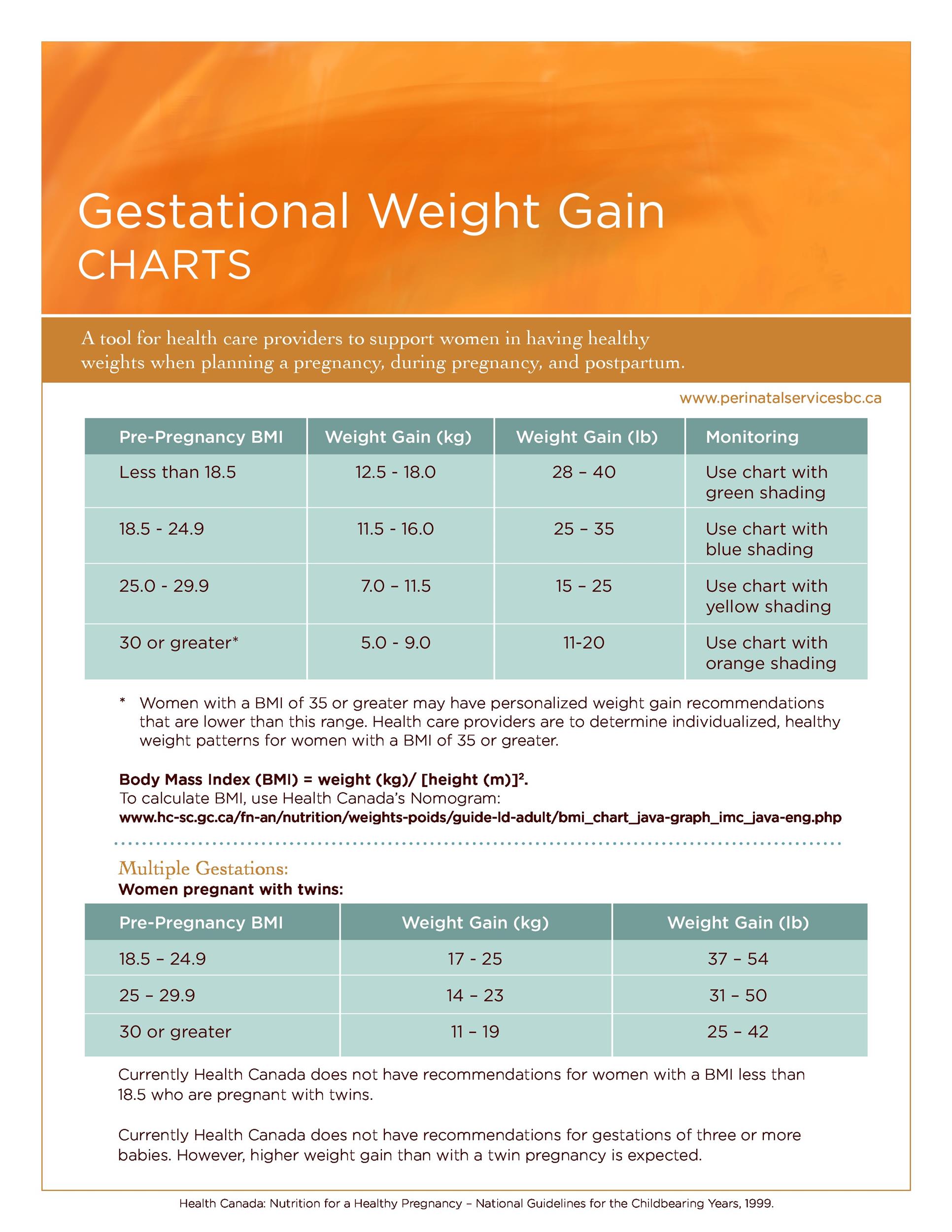
In previous medical summaries, the White House physician noted that the former president remained in “excellent health,” a characterization that frequently drew scrutiny and analysis from medical professionals and political commentators alike. These assessments typically catalog standard biometric data, including weight, blood pressure, and cholesterol levels, while addressing specific neurological or cardiac screenings. Detailed records from a 2019 examination conducted at Walter Reed National Military Medical Center indicated that the president’s weight had reached 243 pounds, leading to a medical classification of obesity according to standard Body Mass Index (BMI) charts, as reported by The New York Times.
The clinical findings released during his tenure emphasized that while certain markers—such as weight gain—were noted, other diagnostic tests, including cardiac and neurological evaluations, returned results within normal ranges. These disclosures represent a critical component of the official historical record of the Trump administration, allowing researchers and the public to track the health trajectory of a world leader under the unique stresses of the presidency.
Understanding Presidential Health Disclosures
The tradition of releasing presidential health summaries is not mandated by the United States Constitution, but it has become an established norm since the mid-20th century. While there is no specific federal statute requiring the release of detailed medical records, the public expectation for transparency regarding a president’s capacity to serve has solidified over time. These reports are generally prepared by the White House Medical Unit, a specialized team of military medical personnel dedicated to the health of the First Family.
When reviewing these assessments, medical experts often look for specific indicators of long-term health risks. For instance, previous reports highlighted the use of medication to manage cholesterol levels—a common approach for individuals in the president’s age demographic. According to the Mayo Clinic, managing lipid profiles is a standard preventative measure to mitigate cardiovascular risk, which remains a primary focus for physicians treating patients in high-stress roles. The inclusion of these details in official briefings is intended to provide reassurance regarding the president’s ability to fulfill the duties of the office.
Clinical Findings and Diagnostic Trends
Throughout his presidency, the clinical data surrounding Donald Trump’s physical health showed a consistent trend of gradual weight gain. In the 2018 examination, the physician reported a weight of 239 pounds, which subsequently increased to 243 pounds by the 2019 check-up. These figures were widely discussed in the context of the president’s diet and exercise regimen, which often became a subject of intense media interest and public debate.
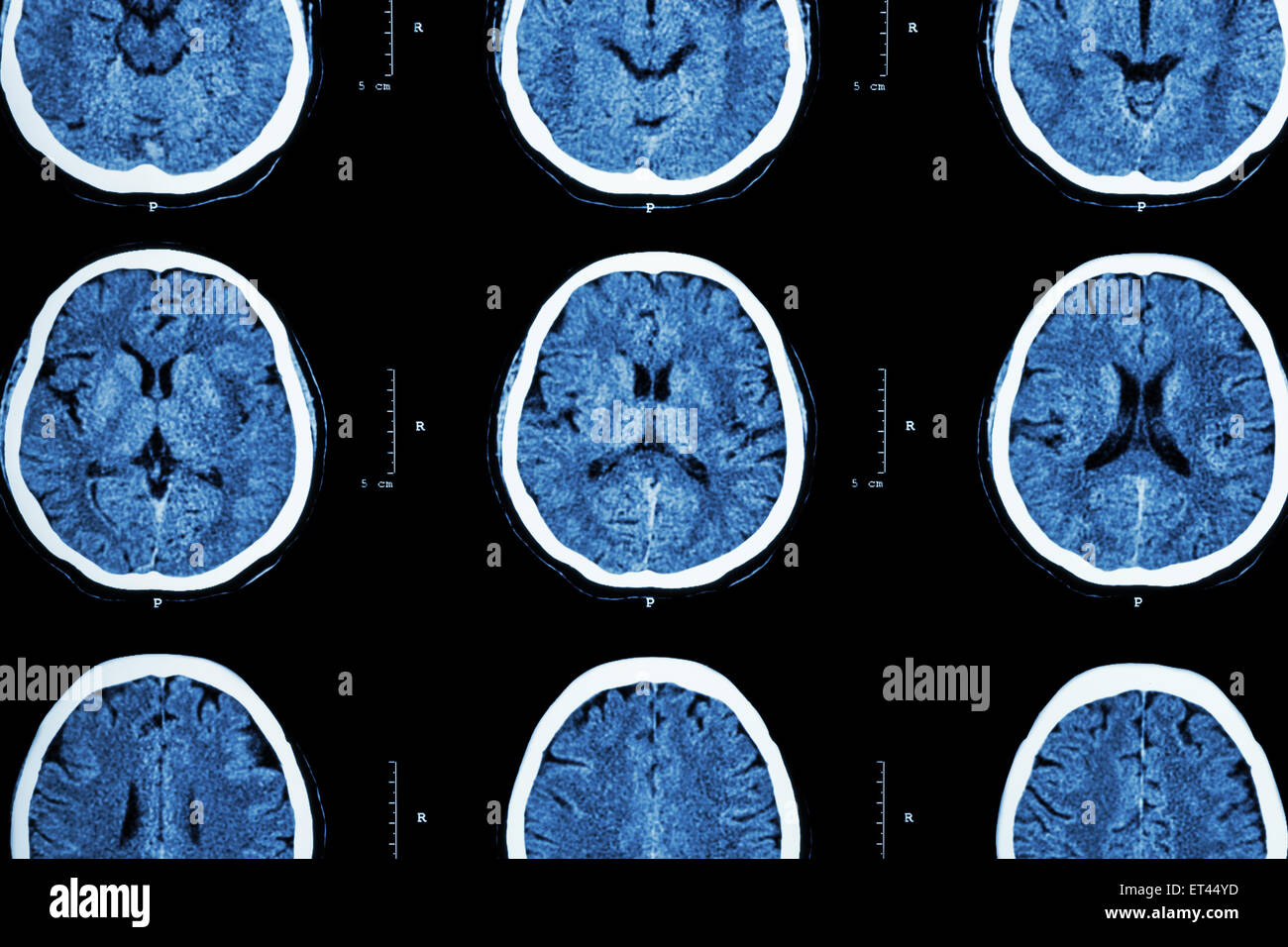
Despite the weight metrics, the reports consistently emphasized the absence of significant underlying pathology. The cardiac evaluations, often involving calcium scoring and stress tests, were described as showing no evidence of coronary artery disease, which is a frequent concern for men in their 70s. Similarly, cognitive screenings, such as the Montreal Cognitive Assessment (MoCA), were mentioned in specific instances to address public speculation about the president’s mental acuity. The attending physician at the time, Dr. Sean Conley, maintained that the president performed well on these tests, emphasizing that they were designed to detect mild cognitive impairment rather than measure high-level intelligence.
Key Takeaways from Presidential Medical Records
- Transparency Standards: Presidential health disclosures are voluntary but follow a long-standing tradition of public accountability.
- Biometric Tracking: Records from the Trump administration tracked consistent metrics, including weight and cardiovascular health, to provide a baseline for fitness.
- Medical Oversight: Examinations were conducted by the White House Medical Unit, utilizing both internal expertise and external specialists from military medical facilities.
- Public Interest: The balance between a leader’s right to medical privacy and the public’s interest in their fitness to serve remains a central theme in political journalism.
The Role of the White House Medical Unit
The White House Medical Unit (WHMU) operates as a highly specialized branch of the military, providing 24/7 care to the president, vice president, and their families. Their mandate extends beyond routine physicals; they are responsible for emergency response, travel support, and the coordination of specialized care when necessary. As noted by the Department of Defense, the unit is staffed by personnel from all branches of the armed services, ensuring that the White House has access to the best medical resources available within the federal government.
The process of releasing health information involves a delicate balance. The physician must navigate the Health Insurance Portability and Accountability Act (HIPAA), which governs the privacy of medical information, while simultaneously fulfilling the political necessity of confirming the president’s health. The reports are often summarized in a way that protects sensitive medical history while satisfying the public’s need for a general assessment of wellness.
Looking Ahead: The Precedent for Future Administrations
As the political landscape evolves, the standard for what information a president should disclose about their health continues to be a subject of discussion. The reports released during the Trump presidency set a benchmark for the level of detail that future administrations may be expected to provide. Whether future candidates and officeholders will opt for more granular data—such as full laboratory reports or detailed mental health evaluations—remains an open question for voters and political analysts.
For those interested in the historical progression of these documents, the National Archives and Records Administration maintains various public records that may eventually include archived briefings from the White House Medical Unit. As further official disclosures or historical analyses become available, citizens are encouraged to rely on primary source documents and verified reporting from established outlets to form an accurate picture of executive health.
If you found this analysis helpful, please share this article with your networks. We invite our readers to engage in the conversation below regarding the balance between transparency and privacy for public figures.