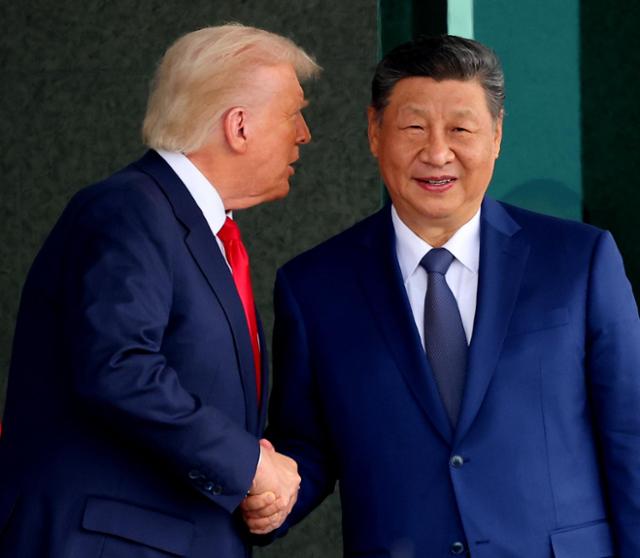
Potential US-China Trade Talks and the Looming Threat of a Tariff War
Published: 2026/01/28 15:59:01
The Current Landscape of US-China Trade Relations
As of January 28, 2026, the trade relationship between the United States and China remains a critical point of contention in global economics and geopolitics. Following a period of escalating tariffs and trade disputes in the preceding years, there is renewed discussion surrounding potential high-level talks. Reports suggest a possible meeting between President Donald Trump and Chinese President xi Jinping, wiht tentative locations being considered in China in April and the United States in August or September. These discussions aim to address ongoing trade imbalances, intellectual property concerns, and broader economic disagreements.
Trump’s Stance on trade and Potential Tariffs
Donald Trump, throughout his political career, has consistently advocated for protectionist trade policies, arguing they are essential to safeguarding American jobs and industries [[1]].This approach frequently involves the imposition of tariffs on imported goods, notably from China. His previous administration initiated a important trade war with China, leading to retaliatory tariffs from both sides. Should current negotiations fail to yield satisfactory results, a resurgence of these tariffs, possibly even more extensive than before, is a distinct possibility. This has created uncertainty for businesses and investors on both sides of the Pacific.
Key Issues on the Negotiating Table
Several key issues are expected to dominate the upcoming negotiations.These include:
Trade Imbalances
The longstanding trade deficit the United States maintains with China is a primary concern. The U.S. seeks greater market access for American companies in china and aims to reduce the trade imbalance through increased exports.
intellectual Property Protection
The protection of intellectual property rights remains a major sticking point. The U.S. has repeatedly accused China of widespread intellectual property theft, costing American businesses billions of dollars annually. Strengthening intellectual property enforcement in China is a key demand.
Agricultural Purchases
U.S. agricultural producers have been significantly impacted by Chinese tariffs. Increasing Chinese purchases of American agricultural products, such as soybeans and corn, is a priority for the U.S. side.
Boeing Aircraft Orders
The potential for Boeing to secure further aircraft orders from China is also expected to be part of the discussions. Geopolitical tensions have impacted these orders in recent years, and restoring a stable flow of orders is beneficial for both countries.
Potential Impacts of a tariff War
A renewed tariff war between the U.S. and China could have far-reaching consequences, including:
- Increased Consumer Prices: Tariffs ultimately translate to higher prices for consumers as businesses pass on the cost of imported goods.
- Disrupted Supply chains: Tariffs can disrupt global supply chains,leading to shortages and production delays.
- Reduced Economic Growth: Trade wars can slow economic growth in both countries and globally.
- Financial Market Volatility: uncertainty surrounding trade disputes can trigger volatility in financial markets.
The Role of President Trump and Xi Jinping
The personal dynamics between president Trump and President Xi Jinping will likely play a significant role in the outcome of negotiations. Their previous interactions have been characterized by both periods of cooperation and intense confrontation. The willingness of both leaders to compromise and find common ground will be crucial to avoid a further escalation of trade tensions. Donald Trump, now in his second term as President [[2]], has a history of unconventional negotiating tactics, making predictions about the outcome of these talks particularly challenging.
Looking Ahead
The upcoming US-China talks represent a critical opportunity to de-escalate trade tensions and forge a more stable economic relationship. However, significant obstacles remain. the success of these negotiations will depend on the willingness of both sides to address each other’s concerns and find mutually acceptable solutions. Failure to do so could lead to a prolonged trade war with serious consequences for the global economy. Recent news regarding President Trump [[3]] suggests a firm stance on protecting american interests, which may make compromise difficult.
Worth a look