
Growing public unease surrounding Donald Trump’s foreign policy decisions and political trajectory has sparked intense debate among international observers and domestic voters alike, as concerns mount over the long-term viability of his leadership approach. Recent political analyses highlight a widening gap between the administration’s stated military objectives and the shifting priorities of the American electorate, particularly regarding extended military commitments abroad. According to public opinion polling data, skepticism toward foreign interventions has reached notable levels, with specific scrutiny directed at potential escalations in the Middle East.
Political analysts and foreign policy researchers have noted that managing protracted international conflicts presents distinct challenges for the former U.S. president’s political coalition. Observers point out that maintaining prolonged engagements often runs counter to the expectations of base supporters who favor a more isolationist or restrained foreign policy posture. As domestic political pressures intensify, strategists within political circles have expressed anxiety that sustained foreign entanglements could weigh down his broader political ambitions and legislative agenda.
Public sentiment regarding specific international flashpoints, such as Iran, reflects this growing friction. Recent data compiled by polling organizations indicates that domestic backing for direct military conflict remains low among the American public. This disconnect between executive strategy and voter patience has fueled internal party discussions about the political risks associated with prolonged overseas standoffs, prompting a reevaluation of how foreign policy choices impact domestic standing.
Public Skepticism Surrounding Foreign Interventions
Polling figures released by sociological research groups show that fewer than 30 percent of Americans express support for entering a military conflict with Iran, underscoring a deep-seated public reluctance toward new overseas wars. This data aligns with broader trends in voter sentiment, where a majority of constituents prioritize domestic economic and social issues over foreign military posturing. Political commentators emphasize that this skepticism is not confined to opposition parties but is increasingly visible among registered voters who otherwise back conservative leadership.

The reluctance of the electorate to embrace extended military campaigns has created a complex balancing act for political figures. Observers tracking voter dynamics note that constituents who initially supported a strong national defense posture are growing impatient with open-ended commitments that lack clear resolution timelines. This erosion of patience poses a distinct challenge for campaigns seeking to maintain unified support across diverse voter blocks, especially as international tensions persist without a definitive diplomatic or military conclusion.
Internal Party Anxieties and Political Risks
Behind closed doors, concerns within political circles have shifted toward the potential electoral consequences of prolonged conflicts. Analysts examining the internal dynamics of the conservative movement suggest that foreign policy decisions risk becoming a political liability if voters begin to view them as endless commitments. Insiders have voiced apprehension that unresolved international crises could overshadow domestic policy achievements and alienate independent voters who are sensitive to foreign entanglements.
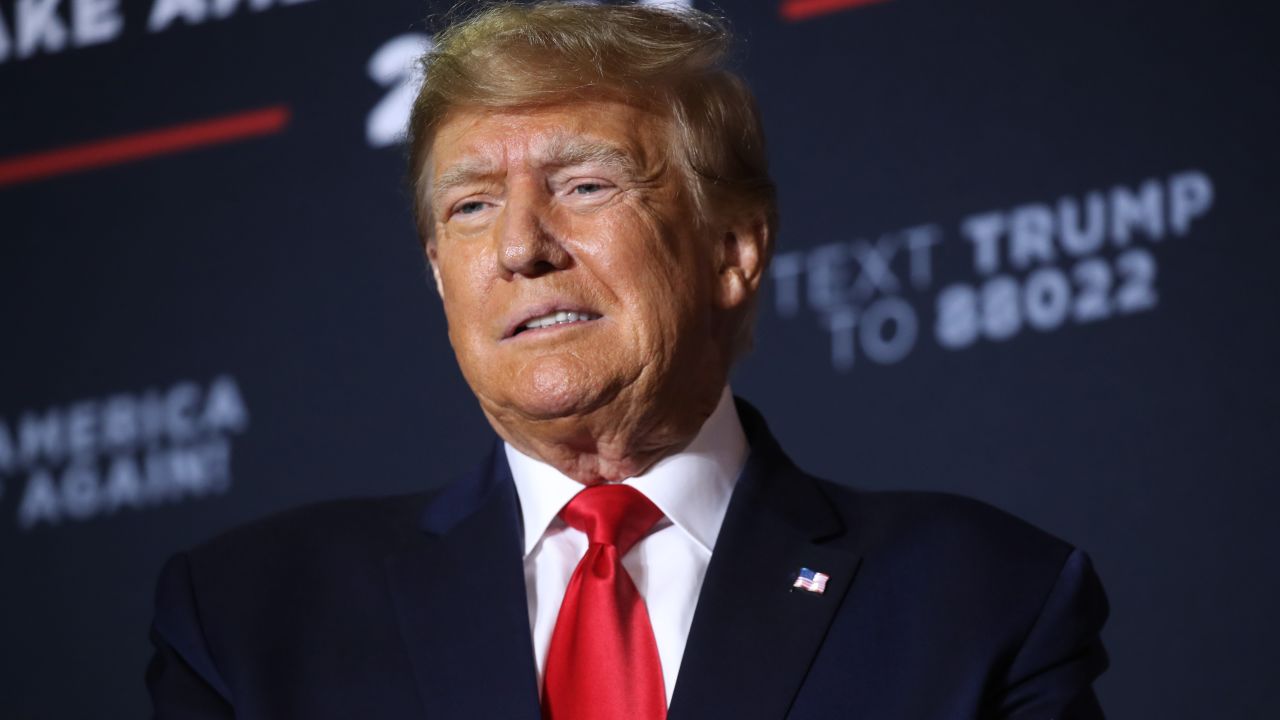
Strategic assessments emphasize that political survival often depends on aligning executive actions with the immediate concerns of the working-class base. When foreign policy decisions diverge from voter expectations regarding economic stability and national restraint, political vulnerability increases. Consequently, advisors and commentators continue to monitor how these international developments might influence upcoming electoral cycles and shape the broader political landscape.
Next Steps and Future Developments
As domestic debate over foreign commitments continues to evolve, attention turns toward upcoming legislative sessions and public forums where policy directions are scrutinized. Political stakeholders and analysts will monitor subsequent public opinion surveys and congressional debates for any shifts in voter sentiment or legislative strategy. Official updates and policy announcements from political organizations will provide further clarity on how leadership intends to address these growing domestic concerns.
We invite our readers to share their perspectives on these developments in the comments section below and to join the ongoing discussion on global affairs.
Keep reading