Examining the Implementation of Project 2025: A Second-Term Agenda
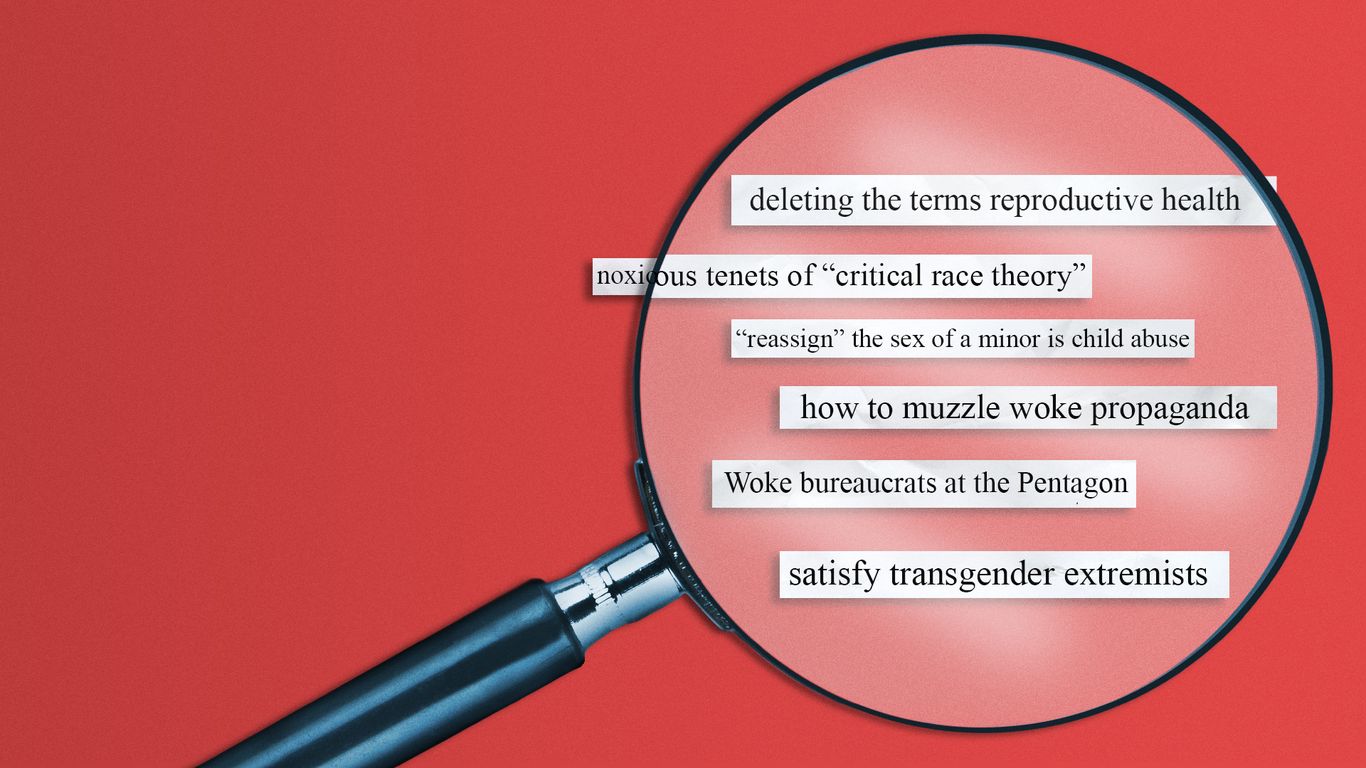
Project 2025,a detailed policy roadmap developed by conservative think tanks,outlined an ambitious vision for a second Trump administration. Now, months into the term, it’s crucial to assess which proposals have been enacted, which remain stalled, and what this signifies for the future of U.S. policy. This analysis will provide a thorough overview, focusing on key areas like healthcare, immigration, and broader policy objectives.
Healthcare and Bioethics: Navigating Contentious Ground
Significant attention has been given to Project 2025’s stance on reproductive healthcare. The “Born-Alive Abortion Survivors Protection Act,” a bill requiring medical professionals to provide the same level of care to infants born after an attempted abortion as thay would to any other newborn, remains a point of contention. Despite repeated attempts, the legislation has not yet passed Congress.
Furthermore, the plan proposed changes to public health benefits. Specifically,it called for the Centers for Medicare and Medicaid Services to implement time limits or lifetime caps on benefits,aiming to reduce long-term dependence on government assistance. This proposal sparked considerable debate regarding access to healthcare for vulnerable populations.
Immigration: A Focus on Restriction and Enforcement
Reducing immigration and increasing deportations were central promises of the second term, and actions have been taken in these areas.The administration has moved to realign the U.S.Refugee Admissions Program,signaling a significant shift in refugee policy. Additionally, increased deportation efforts are underway, aligning with the project’s goals.
Though, some proposals have faced hurdles. While there were initial plans to drastically downsize the Department of Homeland Security’s (DHS) Office of Intelligence and Analysis, it hasn’t been entirely eliminated. Concerns about the office’s potential misuse were cited as justification for the proposed changes.
Project 2025 also advocated for a major restructuring of DHS. This included creating a new, Cabinet-level agency dedicated solely to border security and immigration enforcement, consolidating agencies like Customs and Border Protection and Immigration and Customs Enforcement. The plan, penned by former acting deputy secretary Ken Cuccinelli, also suggested transferring obligation for detaining immigrant children from the Department of Health and Human Services (HHS) to DHS, alongside repealing anti-trafficking protections for unaccompanied children.
Beyond Healthcare and Immigration: A Broader Policy Agenda
Project 2025 extends far beyond healthcare and immigration, encompassing a wide range of policy objectives. Several proposals remain on the table, reflecting the project’s comprehensive scope.
Here’s a look at some of those outstanding goals:
* Outlawing pornography nationwide.
* Commercializing the National Weather Service’s forecasting operations.
* Amending the Fair Labor Standards Act to mandate time-and-a-half pay for work performed on the Sabbath.
These proposals, while diverse, demonstrate the project’s ambition to reshape American society according to conservative principles.
Looking Ahead: Project 2025 continues to evolve, with architects already outlining a vision for 2026 and beyond. Understanding the ongoing implementation of this agenda is crucial for anyone seeking to understand the direction of U.S.policy in the years to come. You can find more detailed data about the future plans here.
Keep reading
- Extreme Heatwave Sweeps Europe as Temperatures Soar Past 40°C
- UK School Trips: Easier After Brexit Thanks to New Treaty
- Earth’s Ocean Floor Remains Less Mapped Than Mars Despite Seabed 2030 Progress (archyworldys.com)
- Israel Raises Security Concerns Over Trump-Brokered Hamas Disarmament Deal (time.news)