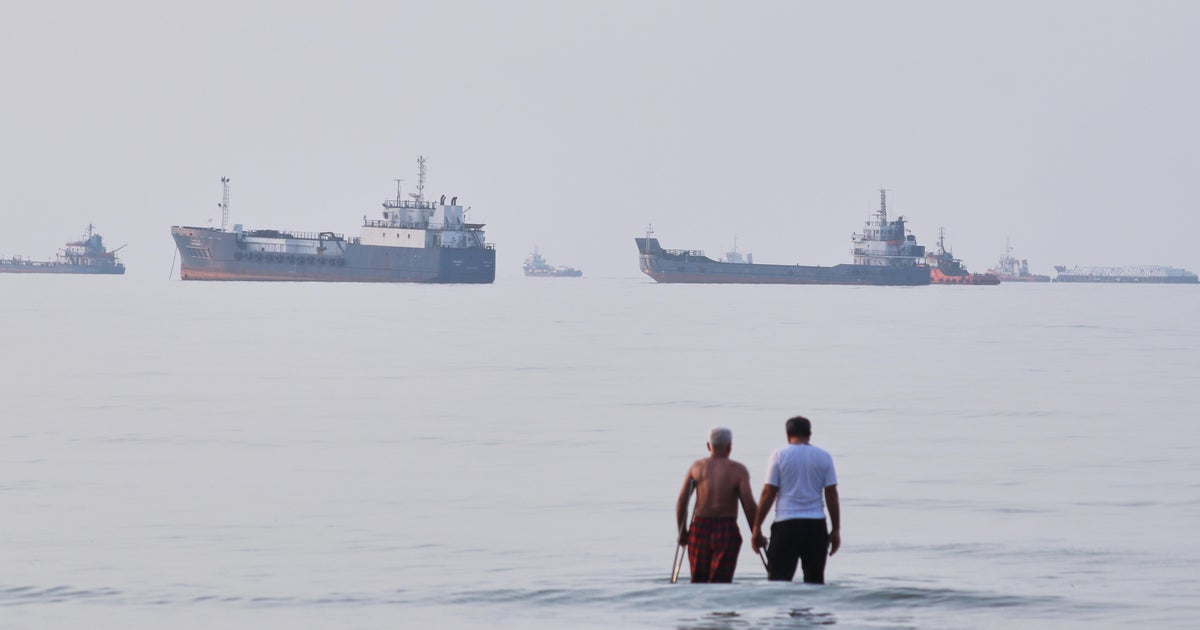
Shipping industry leaders have expressed significant alarm regarding potential proposals to impose a 20% fee on cargo transiting the Strait of Hormuz, a critical maritime chokepoint. Industry analysts and legal experts have raised immediate questions concerning the legal viability of such a levy, noting that international maritime law, specifically the United Nations Convention on the Law of the Sea (UNCLOS), generally guarantees the right of transit passage for vessels through international straits, according to the United Nations Office of Legal Affairs.
The Strait of Hormuz serves as the world’s most important oil transit chokepoint, with an estimated 21 million barrels of petroleum and liquids moving through the waterway daily, according to the U.S. Energy Information Administration (EIA). Any unilateral attempt to levy fees on this traffic would represent a departure from established international norms, potentially triggering retaliatory measures from regional powers and creating significant disruptions in global supply chains. Financial observers warn that if such a fee were applied, the cumulative costs for global shippers could reach tens of millions of dollars per vessel, depending on cargo volume and ship size.
Legal Framework and Transit Rights
The core of the industry’s opposition lies in the principle of “transit passage,” which allows all ships and aircraft to exercise the freedom of navigation for the sole purpose of continuous and expeditious transit between one part of the high seas and another. Under Article 38 of the UNCLOS treaty, coastal states bordering international straits are prohibited from suspending, hampering, or imposing charges on such transit, except for services rendered. The imposition of a 20% “fee” on cargo transit does not fall under the category of payment for services, such as pilotage or canal maintenance, which are typically regulated by international maritime authorities.

Legal scholars emphasize that even if a nation were to attempt to enforce such a fee, the enforcement mechanism remains unclear. Navigational rights in the Strait of Hormuz are protected by long-standing international customs that have been upheld by the International Court of Justice in various maritime disputes. Any deviation from these norms would likely face immediate challenges in international tribunals and could be met with sanctions or diplomatic isolation from major trading partners, including members of the European Union and Asian economies heavily reliant on Gulf energy exports.
Economic Impact on Global Energy Markets
The economic stakes of any fee structure are substantial. Because the Strait of Hormuz accounts for approximately one-fifth of the world’s daily petroleum consumption, a 20% transit fee would almost certainly be passed on to consumers in the form of higher fuel prices, according to analysis from the International Energy Agency (IEA). The volatility added to energy markets would likely lead to higher freight insurance premiums and increased operational costs for global shipping conglomerates.
Shipping companies operating large crude carriers (VLCCs) often work on thin profit margins, and a sudden, significant increase in transit costs could force carriers to seek alternative, albeit less efficient, routes. However, for most tankers originating in the Persian Gulf, there are few practical alternatives to the Strait of Hormuz. The resulting financial burden would likely be distributed across the entire global value chain, affecting manufacturing, retail, and energy-intensive industries worldwide.
Geopolitical Risks and Security Concerns
Beyond the financial and legal implications, the proposal has been characterized by some industry figures as a “dangerous Pandora’s box.” The Strait of Hormuz is already a high-tension area, with recurring incidents involving maritime security and the seizure of vessels. Introducing a financial levy could provide a pretext for increased military posturing or further interference with commercial traffic, complicating the security environment for merchant mariners.

The U.S. Navy maintains a consistent presence in the region to ensure the freedom of navigation and the flow of commerce, as documented in official U.S. Naval Forces Central Command mission statements. Any move that threatens to disrupt the status quo in the strait could force a recalibration of international naval deployments and heighten the risk of accidental escalation between regional and international actors. Stakeholders are currently monitoring for any formal policy announcements, as no official regulatory filing or executive order has been issued to implement such a fee structure at this time.
Industry groups are expected to continue lobbying against any measures that jeopardize the stability of international shipping lanes. For updates on maritime policy and regulatory shifts, companies and investors are encouraged to monitor official publications from the International Maritime Organization (IMO). We invite readers to share their perspectives or insights on how these potential developments might influence regional trade dynamics in the comments section below.
Related reading