
The landscape of federal oversight and administrative policy in Washington is undergoing a significant transformation this week, marked by both personnel shifts and the introduction of substantial financial mechanisms. As the administration navigates these changes, the establishment of an “anti-weaponization” fund—a nearly $1.8 billion initiative designed to address claims of political targeting—has emerged as a focal point of intense discussion regarding the intersection of executive power and agency accountability.
This development follows a series of administrative actions, including the recent U.S. Senate confirmation of Steve Pearce to lead the Bureau of Land Management. The management of these public lands, which span approximately a quarter-billion acres primarily across Western states, remains a critical component of the administration’s broader agenda to facilitate expanded drilling and mining operations (AP News). These concurrent events reflect a concerted effort to reshape the federal bureaucracy’s operational priorities.
The Mechanics of the Anti-Weaponization Fund
The Justice Department’s announcement of a nearly $1.8 billion fund represents a notable shift in how the government approaches the resolution of grievances concerning alleged political targeting. This financial framework was established as part of a settlement agreement to resolve a lawsuit involving the Internal Revenue Service (AP News). By creating this mechanism to compensate affected parties, the administration is signaling a departure from traditional litigation strategies, opting instead for a compensatory model that it frames as a remedy against the perceived misuse of government authority.
For observers of administrative law and executive policy, the fund serves as a primary example of how the current administration aims to address accusations of “weaponization” within the federal apparatus. By providing a clear path for compensation, the Department of Justice is attempting to mitigate the long-term impact of legal challenges while simultaneously establishing a precedent for how future claims of institutional bias might be handled.
Strategic Shifts in Federal Land and Regulatory Policy
Beyond the establishment of the compensation fund, the administration is aggressively pursuing its economic agenda through the management of federal assets. The confirmation of Steve Pearce to head the Bureau of Land Management is widely viewed as a signal that the administration intends to accelerate the approval process for energy and mineral extraction projects on federal lands. The Bureau of Land Management oversees a vast territory, and its leadership plays a decisive role in determining the balance between conservation and industrial development (AP News).
This approach is consistent with the administration’s broader economic strategy, which includes an expansion of generic drug availability through the TrumpRx program. By targeting both the regulatory framework of public lands and the cost of essential consumer goods, the administration is attempting to consolidate its influence across multiple sectors of the economy simultaneously.
What Lies Ahead for Federal Oversight
As these initiatives move from policy announcements to active implementation, the focus will likely shift toward the practical application of the $1.8 billion fund. Stakeholders and legal analysts will be watching closely to see how the Department of Justice defines the criteria for compensation and whether this sets a standard that extends beyond the initial IRS-related litigation. The transparency of the disbursement process will be a key metric by which the success of this initiative is judged.
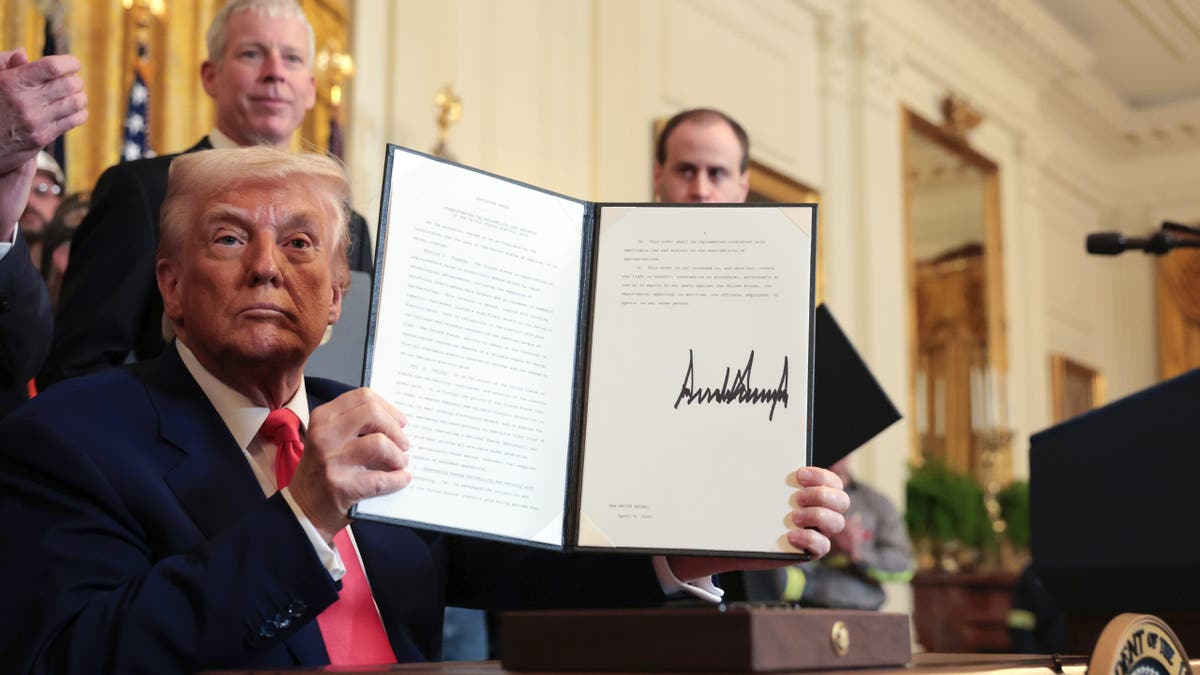
Simultaneously, the Bureau of Land Management, under new leadership, is expected to begin issuing a series of updated directives regarding land use and extraction permits. These actions are anticipated to face scrutiny from environmental groups and industry advocates alike, as the tangible effects of the administration’s “anti-weaponization” and economic growth strategies begin to manifest on the ground.
The next major checkpoint for these policies will arrive with the upcoming quarterly reports from the Department of Justice regarding the fund’s distribution, as well as the Bureau of Land Management’s scheduled updates on pending permit applications for drilling and mining operations. We will continue to track these developments as they unfold. We invite our readers to share their perspectives on these administrative shifts in the comments section below.
Worth a look