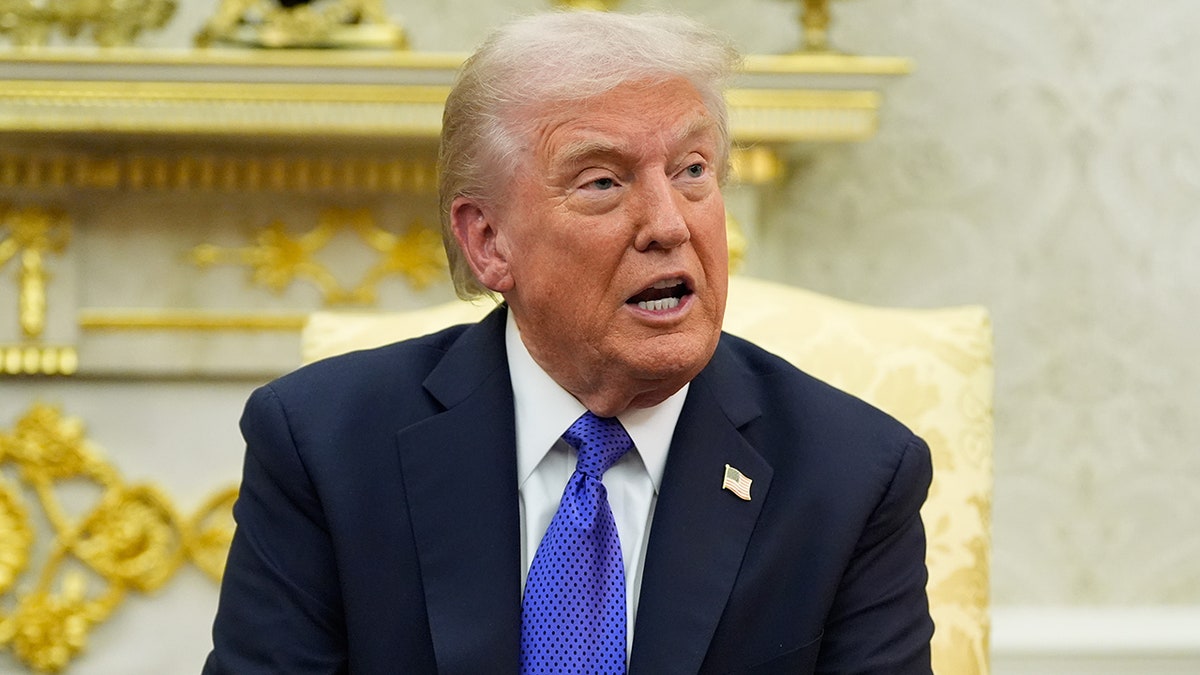
The central tension of the current administration’s second term has become increasingly clear: the pursuit of absolute political loyalty within the Republican Party appears to be running directly into the hard realities of legislative necessity and shifting public sentiment. As President Trump navigates a complex political landscape, the strategy of targeting perceived political enemies within his own party is creating a friction that threatens to stall his primary policy objectives.
This internal friction is occurring against a backdrop of mounting external pressures. From domestic economic concerns to the volatility of international conflicts, the administration is facing a dual-front challenge. The convergence of a fracturing party base and a declining approval rating suggests that the “revenge” political strategy may be coming at a significant cost to the President’s ability to execute his core agenda.
A Party Divided: The Cost of the Loyalty Strategy
For much of his political career, President Trump has maintained a high degree of control over the Republican Party, often through a combination of populist appeal and the direct enforcement of party discipline. However, recent political dynamics indicate that this control is being tested by a growing movement of dissent. The administration’s focus on a campaign of political retribution against Republicans deemed insufficiently loyal has, in some quarters, begun to backfire, creating a rift that complicates the passage of key legislation.
This internal struggle is not merely a matter of personal politics but has tangible implications for the administration’s ability to govern. The focus on punishing political rivals has created an environment of uncertainty within the GOP, where lawmakers must weigh their personal survival against the practical requirements of supporting the President’s legislative priorities. This tension is particularly evident in the halls of Congress, where the need for unified action is frequently undermined by the fallout of these internal party conflicts.
The impact of this strategy is also being felt in the realm of policy support. Recent private polling within the Republican Party has indicated a notable decline in support for specific immigration policies, suggesting that even the party’s core base is showing signs of hesitation. This shift in sentiment, combined with the internal political maneuvering, presents a significant hurdle for the administration’s ability to maintain its momentum on cornerstone issues.
The Rise of the Dissenters: Challenges to Congressional Leadership
The most visible sign of this growing fracture is the emergence of a small but increasingly vocal faction of Republican lawmakers. This group, characterized by a willingness to break from the standard party line, represents a growing challenge to the President’s congressional agenda. Often described as being prepared to vote according to their own interests regardless of the political consequences, this growing caucus is complicating the administration’s efforts to secure a unified front in both the House and the Senate.
This dissent is not limited to the lower chamber. Republican senators have also begun to speak out more frequently, expressing concerns that diverge from the administration’s official positions. While these senators often remain within the party fold, their public or semi-public expressions of disagreement signal a loosening of the absolute control that has historically characterized the MAGA-aligned GOP.
The rise of these dissenting voices creates a precarious environment for legislative leaders. The ability to whip votes and maintain party discipline is being eroded by a group of lawmakers who are increasingly willing to prioritize their own district’s needs or their individual political survival over the administration’s mandates. This shift could spell significant trouble for the President’s ability to pass high-stakes legislation, particularly on economic and foreign policy matters.
The External Pressures: Inflation and Geopolitical Volatility
While the internal struggles of the Republican Party are significant, they are being compounded by a deteriorating public perception of the administration’s effectiveness. Recent data indicates that President Trump’s approval ratings have reached a second-term low, a development driven by both domestic and international factors.

Domestically, the administration’s struggle to stabilize inflation has become a primary driver of voter dissatisfaction. Economic instability remains a top concern for the American electorate, and the perceived failure to effectively temper rising costs has eroded the President’s standing among both moderate and traditional conservative voters. The economic climate is creating a sense of urgency that the current political maneuvering within the GOP is poorly equipped to address.
On the international stage, the fallout from the ongoing conflict in Iran has added another layer of complexity to the administration’s challenges. The geopolitical instability resulting from this conflict has not only impacted global markets but has also become a point of contention regarding the administration’s foreign policy direction. The intersection of economic hardship and international crisis has created a volatile environment that is increasingly difficult for the administration to manage, further contributing to the decline in public confidence.
Key Takeaways
- Internal GOP Friction: The administration’s focus on political retribution is creating significant tension within the Republican Party, potentially undermining legislative goals.
- Legislative Obstacles: A growing group of Republican lawmakers is increasingly willing to break from the party line, complicating the President’s congressional agenda.
- Declining Approval: President Trump’s approval ratings have reached a second-term low, driven by domestic and international pressures.
- Economic and Global Pressures: Persistent inflation and the geopolitical fallout from the Iran war are major factors in the shifting political landscape.
- Policy Shifts: Private polling shows a decline in Republican support for certain key immigration policies.
As the administration moves into the next phase of its second term, the ability to reconcile the demands of party loyalty with the practicalities of governance will be the defining challenge for the Republican leadership. The coming months will likely determine whether the President can regain control of his legislative agenda or if the growing internal and external pressures will continue to erode his political capital.
Next Checkpoint: Observers will be watching the upcoming legislative sessions and upcoming committee hearings for further evidence of shifting party discipline and the administration’s response to economic indicators.
What are your thoughts on the current state of the GOP? Do you believe internal party discipline is more crucial than legislative unity? Share your comments below and please share this article with your network.
Keep reading