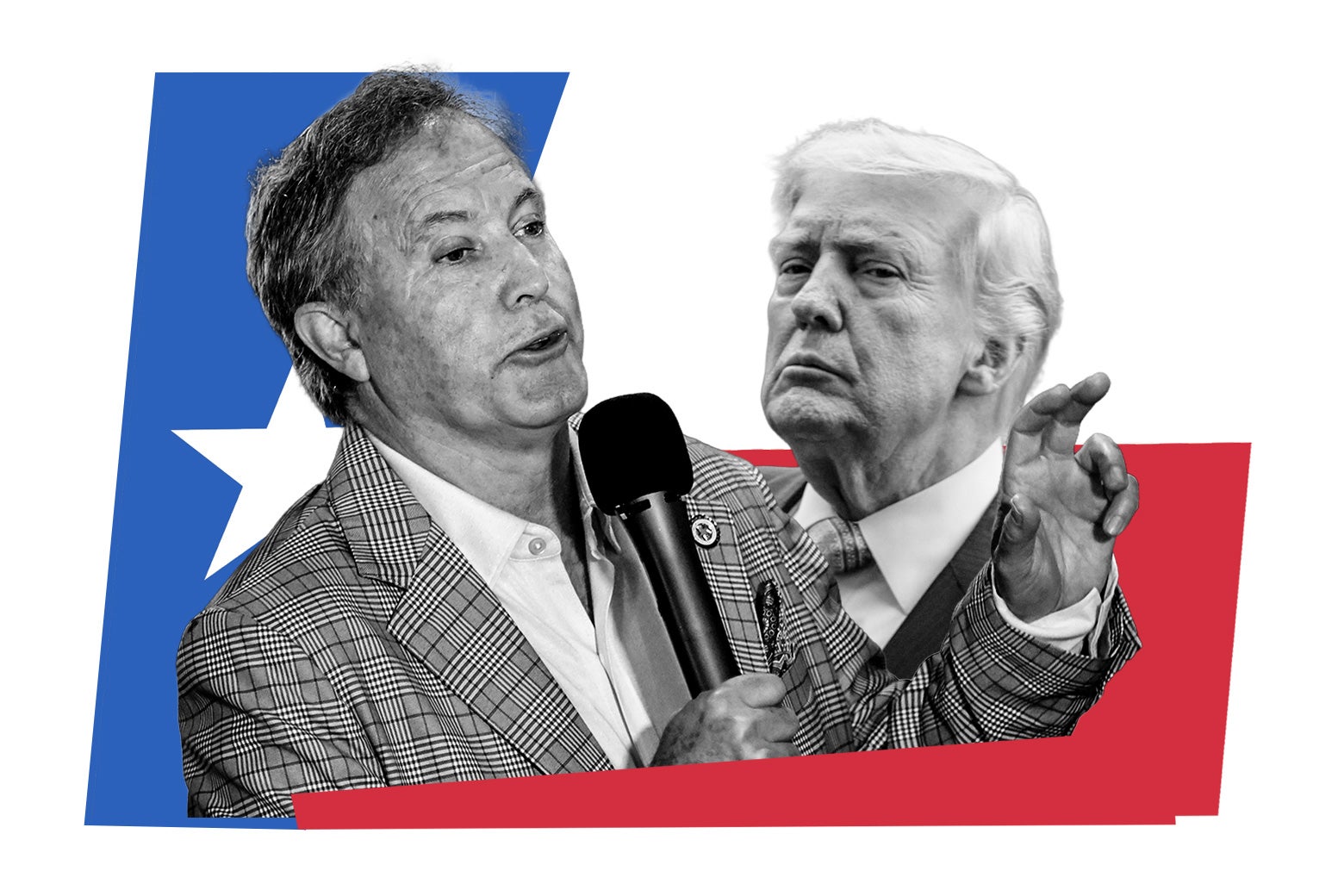
LONDON — A growing controversy is unfolding at the intersection of federal tax policy and political patronage, as new details emerge regarding how taxpayer funds are being allocated under the current administration. At the heart of the debate are two distinct financial mechanisms: a multi-billion dollar settlement fund intended for political allies and a new series of child-focused savings accounts that critics argue could serve as a vehicle for broader political influence.
While the administration frames these initiatives as essential tools for supporting families and providing restitution to those harmed by previous government actions, legal challenges and mounting scrutiny suggest a more complex political reality. The debate centers on whether these programs represent genuine economic relief or a strategic deployment of public resources to bolster a loyalist base.
The $1.8 Billion ‘Anti-Weaponization’ Settlement Fund
The first major flashpoint involves a massive financial commitment aimed at addressing what the administration describes as the “weaponization” of government institutions. According to reports from the Associated Press, a new $1.8 billion settlement fund has been established to provide payouts to allies who claim to have been targeted by previous administrations’ legal and investigative apparatuses.
The fund has already become a focal point of intense legal opposition. A coalition of critics, including former prosecutors, has initiated legal action to block the distribution of these funds. The central argument of the lawsuit is that the settlement mechanism lacks sufficient oversight and may be used to reward political supporters with taxpayer-funded compensation.
The administration maintains that the fund is a necessary corrective measure for individuals who suffered due to what they term “weaponized” federal agencies. However, the scale of the $1.8 billion commitment has fueled concerns regarding the precedent it sets for the use of federal settlements in political contexts.
The ‘One, Massive, Beautiful Bill’ and the Rise of Trump Accounts
Parallel to the settlement fund controversy is the implementation of the “One, Big, Beautiful Bill Act,” a sweeping piece of legislation signed into law on July 4, 2025, as Public Law 119-21. While the act contains various tax provisions, one of its most significant and debated components is the establishment of “Trump Accounts” under the Working Families Tax Cuts (Section 70204).
These accounts are designed as a long-term savings vehicle for eligible children, intended to be funded through a combination of individual, employer, and federal contributions. According to Internal Revenue Service (IRS) documentation, the federal government is set to make a one-time $1,000 contribution to each eligible child’s account. This pilot program is already seeing significant engagement; recent data indicates that 4 million children have signed up for Trump Accounts, with 1 million families already claiming the $1,000 pilot program contribution (IR-2026-42).
The structure of the accounts includes specific contribution limits and investment mandates:
- Individual and Employer Contributions: Authorized contributions from individuals and employers are permitted up to $5,000 per year.
- Tax-Free Employer Contributions: Employers may contribute up to $2,500 per year toward an employee’s or dependent’s account without it being classified as taxable income for the employee.
- Investment Strategy: Funds must be invested in specific mutual funds or exchange-traded funds (ETFs) that track major U.S. Stock indices, such as the S&P 500.
- Withdrawal Rules: Generally, funds cannot be withdrawn until the year the child reaches age 18, at which point the account is treated similarly to a traditional IRA.
While the IRS notes that the accounts cannot be funded before July 4, 2026, the high enrollment numbers suggest a rapid mobilization of interest in the program ahead of its full implementation.
Analyzing the Political and Economic Implications
The convergence of the $1.8 billion settlement fund and the widespread adoption of Trump Accounts has created a unique political landscape. For supporters, these measures represent a direct transfer of resources back to the families and individuals they believe have been overlooked or targeted by the federal bureaucracy. The “Working Families Tax Cuts” are presented as a way to build generational wealth through structured, government-backed savings.
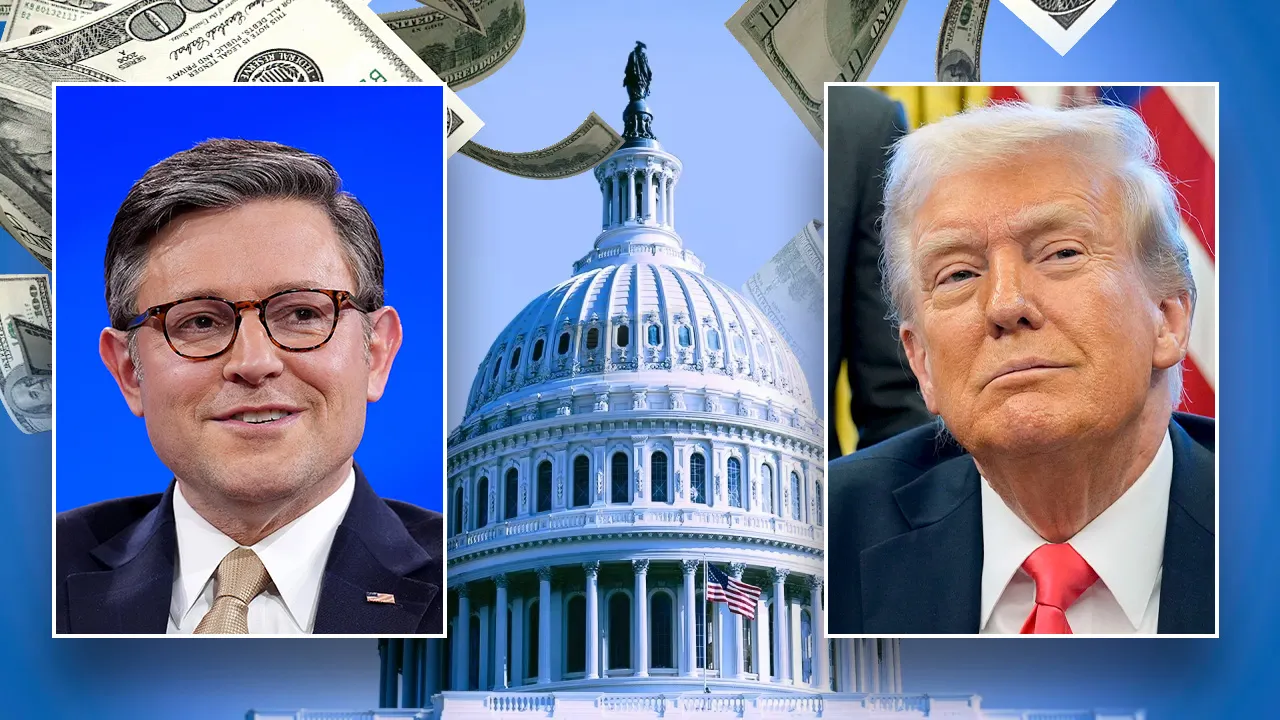
Conversely, analysts and legal experts have raised questions regarding the long-term implications of these policies. The primary concern is the potential for “patronage-style” governance, where federal funds are directed toward specific demographics or political cohorts. The ability of the administration to influence the distribution of $1.8 billion in settlements, combined with the massive scale of the Trump Accounts program, places a significant amount of fiscal authority in the hands of the executive branch.
the requirement that funds be invested in specific U.S. Stock index-tracking funds ensures that a massive influx of new capital will be directed into specific sectors of the American economy, further intertwining federal tax policy with market dynamics.
As the July 4, 2026, deadline for account funding approaches, the administration faces the dual challenge of managing the rollout of these accounts while simultaneously defending the settlement fund against ongoing litigation in the courts.
Next Checkpoint: Legal proceedings regarding the $1.8 billion settlement fund are expected to continue through the summer, with further rulings anticipated from the courts regarding the coalition’s attempt to block payouts.
What are your thoughts on these new federal financial programs? Should the government play a larger role in child savings, or do these programs pose too much political risk? Let us know in the comments below and share this story with your network.
Worth a look