Senate Republicans are seeking to establish clearer boundaries with President-elect Donald Trump to preserve the chamber’s legislative autonomy and prevent internal party friction. Reports from political news outlets indicate that GOP lawmakers are calling for a “reality check” to manage the tension caused by Trump’s efforts to exert direct influence over Senate leadership and personnel decisions during the upcoming term.
The friction stems from a perceived shift in the power dynamic between the White House and Capitol Hill. As the transition progresses, several Republican senators have expressed concerns that the President-elect’s management style could disrupt traditional Senate procedures and undermine the independence of the party’s leadership. This tension is particularly acute as the GOP prepares for a new congressional session where the balance of power will be critical to the administration’s agenda.
Internal discussions within the Senate Republican conference suggest a growing desire to move away from a model of total deference toward one of structured cooperation. Lawmakers are reportedly concerned that repeated clashes over appointments and legislative priorities could weaken the party’s ability to govern effectively. This push for boundaries comes as the party prepares to navigate a complex legislative landscape involving judicial confirmations, budget negotiations, and major policy shifts.
Why are Senate Republicans seeking boundaries with Donald Trump?
The drive for a “reality check” is rooted in the desire to maintain the Senate’s constitutional role as a separate and co-equal branch of government. Senate Republicans have signaled that while they intend to support the President-elect’s core agenda, they are wary of a leadership structure that appears beholden to White House dictates rather than the needs of the Senate body. The tension is driven by several key factors, including the selection of cabinet members and the influence of the President-elect over Senate committee assignments.

According to reports on the evolving relationship, the friction often centers on the President-elect’s expectation of immediate and absolute compliance from GOP senators. This has led to what some insiders describe as an “awkward” environment for leadership, as they attempt to balance loyalty to the party’s figurehead with the practical requirements of managing a diverse caucus. The goal for many senators is to ensure that the Senate remains a functional institution capable of vetting nominees and debating legislation without constant interference from the executive branch.
This push for autonomy is not merely about institutional pride; it is a strategic move to ensure party stability. If the relationship between the White House and Senate leadership becomes too volatile, it could lead to public infighting that complicates the passage of essential legislation. By establishing clear protocols for communication and decision-making now, Senate Republicans hope to avoid the legislative gridlock that characterized previous periods of intense executive-legislative conflict.
How is the relationship between John Thune and Donald Trump evolving?
The relationship between incoming Senate Republican leader John Thune and Donald Trump is a central component of this developing dynamic. As Thune prepares to take the helm of the Senate GOP, he faces the difficult task of managing a caucus that is largely supportive of Trump but increasingly cautious about his methods of exercising power. Observers have noted that the interactions between the two have become increasingly complex, characterized by a need to manage Trump’s expectations while maintaining the confidence of his fellow senators.
Thune’s role requires him to act as a bridge between the incoming administration and the Senate Republican conference. This position is inherently difficult, as he must satisfy the President-elect’s desire for a unified front while also addressing the concerns of senators who value traditional Senate norms. Reports suggest that the relationship is currently in a state of negotiation, with Thune working to define the scope of the President-elect’s influence over Senate operations and the vetting process for key positions.
The dynamic is often described as a delicate balancing act. Thune must demonstrate strength and leadership to his caucus, proving that he can protect the Senate’s interests, while also maintaining a working relationship with Trump to ensure the party’s legislative goals are met. Any perceived failure to manage this relationship could lead to a loss of authority within the Senate or increased volatility from the White House.
What are the primary points of tension between the GOP and the White House?
The tension between Senate Republicans and the President-elect can be categorized into several distinct areas of conflict. These issues represent the most likely flashpoints for legislative and political struggle during the first year of the new administration.
- Personnel and Appointments: The process for confirming cabinet members and judicial nominees is a significant source of friction. The White House often seeks rapid confirmations, while Senate Republicans must manage the vetting process and ensure candidates are suitable for the roles.
- Legislative Autonomy: There is an ongoing debate regarding how much influence the President-elect should have over the Senate’s legislative agenda. Senators are protective of their ability to set priorities and manage the floor according to Senate rules.
- Party Discipline: The expectation for absolute party unity on key votes often clashes with the individual interests and constituent priorities of various senators.
- Communication Protocols: The method and frequency of communication between the White House and Senate leadership are critical. A lack of structured, predictable communication can lead to misunderstandings and reactive decision-making.
To better understand these competing interests, the following table compares the typical expectations of the Trump administration with the priorities of the Senate Republican caucus.
| Issue Area | Trump Administration Expectations | Senate Republican Priorities |
|---|---|---|
| Nominations | Rapid, direct control over all selections. | Thorough vetting and adherence to Senate norms. |
| Legislation | Direct influence on the Senate agenda. | Maintenance of institutional independence. |
| Party Unity | Immediate and total compliance on votes. | Balancing caucus interests with party goals. |
| Leadership | Direct access to individual senators. | Structured communication through leadership. |
What happens next for the Senate GOP leadership?
The immediate focus for Senate Republican leadership will be the formal transition period and the scheduled meetings between the incoming administration and Senate leaders. These meetings are expected to serve as the first real test of the relationship, as both sides attempt to establish the working norms that will govern their interactions. The outcome of these discussions will likely set the tone for the entire congressional term.
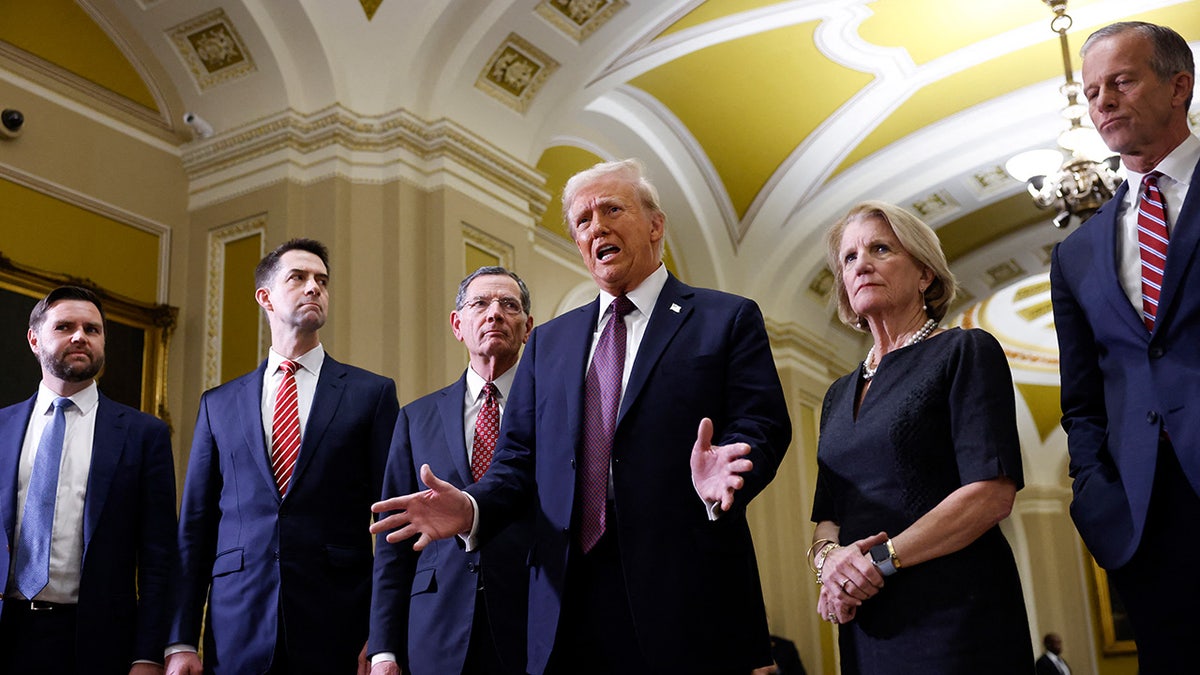
As the new Congress prepares to convene, the Senate Republican conference will continue to hold internal meetings to align on policy priorities and management strategies. These sessions are crucial for ensuring that the caucus remains unified, even as they navigate the complexities of working with a highly assertive President-elect. The ability of leadership to manage these internal dynamics will determine how effectively the GOP can execute its legislative agenda.
The next major checkpoint for this relationship will be the official start of the new congressional session and the subsequent confirmation hearings for the first wave of presidential nominees. These events will provide the first concrete evidence of whether the “reality check” sought by many senators has been successful in establishing a functional working relationship.
We invite you to share your thoughts on this developing story. How do you think the relationship between the Senate and the White House will impact upcoming legislation? Leave a comment below and share this article with your network.
Related reading
- Chicago Data Center Boom Sparks Controversy and Mayor Johnson’s Proposed Moratorium
- Trauma Dumping vs. Venting: How to Share Your Pain Without Overwhelming Others
- Chiefs Receiver Rashee Rice Calls Jail Time a Reality Check and Learning Experience (world-today-news.com)
- Trump Administration Directs $900 Million to White House Construction (time.news)