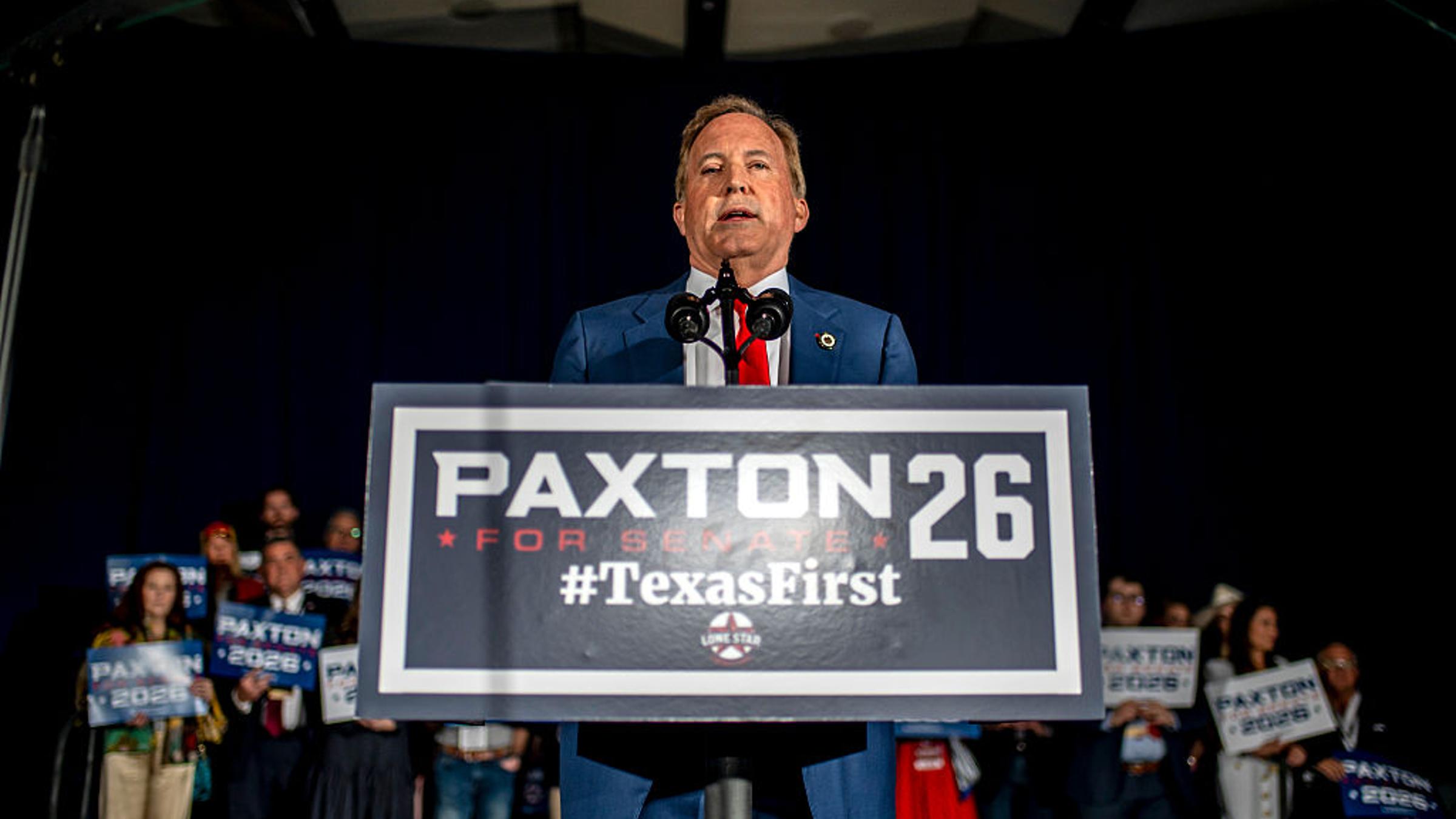
Texas Attorney General Ken Paxton has secured the Republican nomination for the U.S. Senate following a contentious and costly primary runoff, a development that has sent shockwaves through the national party establishment. The victory, finalized on Tuesday, marks a significant shift in the Texas electoral landscape and presents a new set of strategic challenges for the GOP ahead of the general election this November.
The primary contest, which saw Paxton defeat incumbent Senator John Cornyn, arrives as the culmination of a protracted period of internal party friction. Senate Republicans had invested approximately $90 million in an effort to support Cornyn’s candidacy and challenge the nomination of Paxton, whose tenure as Attorney General has been marked by significant political and legal controversy. The failure of this effort has left national Republicans facing an internal assessment of the financial and political costs required to secure the seat in a state that has not elected a Democrat to the U.S. Senate in nearly four decades.
Texas Attorney General Ken Paxton, who Trump endorsed over incumbent Senator John Cornyn, speaks to supporters at a watch party in Dallas on March 3, 2026. —Sergio Flores—Getty Images
The Financial and Political Cost of an Intra-Party Shift
The outcome of the Texas primary has prompted a re-evaluation of campaign resource allocation. Internal projections circulating among Republican strategists suggest that the cost of defending the Texas Senate seat now stands at an estimated $250 million. This figure represents a substantial redirection of funds that party leadership had originally intended to deploy in competitive races across states such as Georgia, Michigan and New Hampshire. The necessity of defending what was once considered a reliably safe seat has complicated the broader Republican strategy to regain control of the upper chamber.

The tension within the party largely centers on the divergence between the institutionalist approach represented by Cornyn and the populist, confrontational style of Paxton. Cornyn, who served as a member of the Senate leadership and maintained a voting record that aligned with former President Donald Trump’s agenda 99.2% of the time, was viewed by party leadership as an essential figure in maintaining legislative stability. In contrast, Paxton’s campaign successfully leveraged an endorsement from Trump, effectively framing the race as a referendum on party purity rather than policy alignment or legislative experience.
Legal and Political Challenges Facing the Nominee
Paxton’s path to the general election has been defined by a series of legal and ethical challenges. Throughout his career, he has faced numerous allegations, including accusations of securities fraud, bribery, and abuse of power. These issues culminated in 2023 when the Republican-controlled Texas state House voted to impeach him. Although he was subsequently acquitted by the state Senate, the allegations remain a central focus of his political opponents. The persistence of these controversies has provided the Democratic nominee, state Representative James Talarico, with a significant amount of material for the upcoming general election campaign.
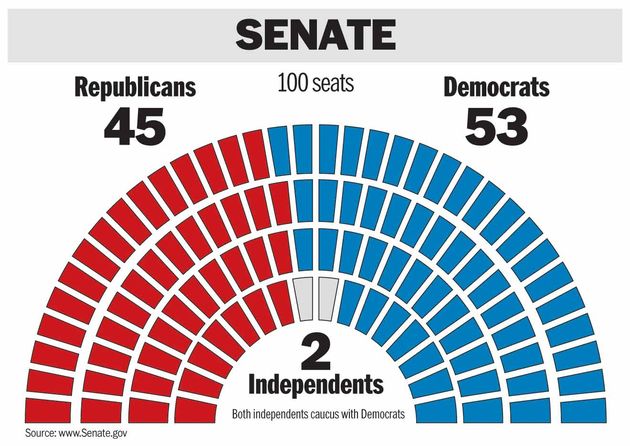
For Democrats, the nomination of Paxton provides an opportunity to challenge the long-standing Republican dominance in Texas. While Texas has historically been a stronghold for the GOP, the combination of Paxton’s legal history and the potential for a surge in voter engagement has led some analysts to categorize the race as more competitive than in previous cycles. A successful Democratic campaign in Texas would not only represent a historic political shift but could also provide a significant down-ballot boost for Democratic candidates running for the U.S. House of Representatives.
Trump’s Influence on Party Purity
The Texas primary result is the latest indicator of the continued influence of former President Trump on the Republican Party’s nomination process. Across the country, Trump has actively sought to influence primary outcomes, often backing challengers against incumbents he perceives as insufficiently loyal. This strategy has seen success in several states, including Louisiana, where he declined to endorse incumbent Senator Bill Cassidy, and Kentucky, where he led a primary effort against Representative Tom Massie. These interventions are often framed as a “revenge agenda,” aimed at enforcing ideological alignment with the base.
However, the strategy carries inherent risks. By prioritizing ideological purity over electoral safety, the party may find itself in a vulnerable position in the general election. As Republicans look toward the November contests, the focus remains on whether the party can bridge the divides created during the primary season. The financial strain of the Texas race is particularly illustrative of the trade-offs involved in this approach, as the party must now account for a quarter-billion-dollar expense that was not part of the original election cycle planning.
Looking Toward November
As the general election approaches, both parties are preparing for an intense campaign period. The Republican Party must now consolidate its base in Texas while managing the financial fallout from the primary runoff. Conversely, the Democratic campaign is focused on utilizing the high-profile nature of the race to mobilize voters and expand the electoral map. The outcome in Texas will likely serve as a bellwether for the broader national political climate, reflecting the effectiveness of Trump’s influence on the party’s platform and the durability of the Democratic opposition.
The next major checkpoint in this electoral cycle will be the official filing deadlines for the general election and the subsequent launch of high-frequency campaign advertising. Voters and observers can expect further developments as the candidates transition from internal party battles to the broader, more diverse electorate of the general election. For further updates on campaign finance disclosures and official election proceedings, stakeholders are encouraged to monitor filings through the Federal Election Commission and the Texas Secretary of State’s office.
Keep reading