
The strategic significance of Kharg Island, home to one of Iran’s most critical oil export terminals, has become a focal point of intensifying geopolitical rhetoric. While recent public discourse has featured suggestions regarding the potential seizure of such energy infrastructure, military analysts emphasize that any attempt to occupy the island would present severe logistical and tactical risks, particularly for any foreign force operating in the Persian Gulf. According to the U.S. Energy Information Administration, Kharg Island handles the vast majority of Iran’s crude oil exports, making it a central node in the regional energy economy.
The discussion surrounding the vulnerability of Iranian oil facilities gained traction following recent high-level political comments regarding potential military or economic leverage against Tehran. However, official United States policy remains focused on sanctions and diplomatic pressure rather than the physical occupation of sovereign Iranian territory. As reported by the U.S. Department of Defense, military operations in the Persian Gulf are currently structured around freedom of navigation and the protection of international shipping lanes, rather than the capture of fixed energy assets.
Strategic Importance of Kharg Island
Kharg Island acts as the primary gateway for Iranian oil, with facilities capable of processing and loading millions of barrels per day. The island’s infrastructure includes extensive storage tanks, deep-water berths, and pipelines that connect to the mainland. Because of its concentration of critical assets, the island represents a high-value target in any scenario involving regional escalation. According to data provided by Reuters, the terminal is essential for Iran to bypass or mitigate the impact of international financial restrictions by moving its energy products to global markets.
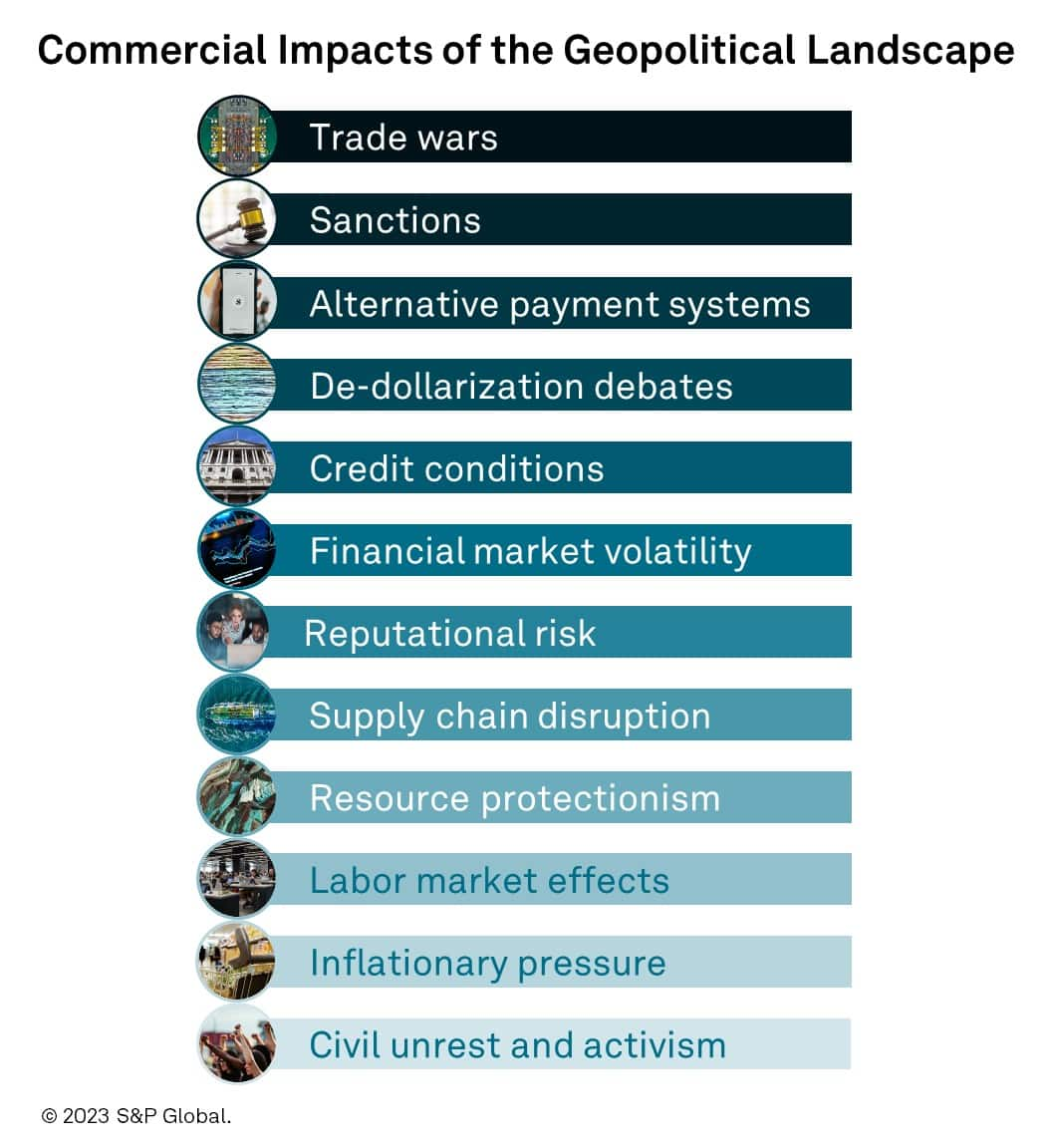
The logistical difficulty of holding such an island is significant. Any occupying force would be within range of Iranian coastal defense systems, including anti-ship cruise missiles and short-range ballistic missiles. Military experts frequently note that the narrow geography of the Persian Gulf complicates the deployment of large-scale ground forces, as they would be exposed to asymmetric threats from the Islamic Revolutionary Guard Corps (IRGC).
Military Risks of Ground Operations
Engaging in a ground-based operation to seize energy infrastructure would represent a major departure from current U.S. military doctrine in the Middle East. According to assessments from the Center for Strategic and International Studies (CSIS), the Iranian military has spent decades hardening its coastal defenses specifically to deter amphibious or airborne incursions. The integration of “anti-access/area-denial” (A2/AD) capabilities means that any foreign naval or ground presence near Kharg Island would face persistent surveillance and the threat of rapid, multi-vector strikes.
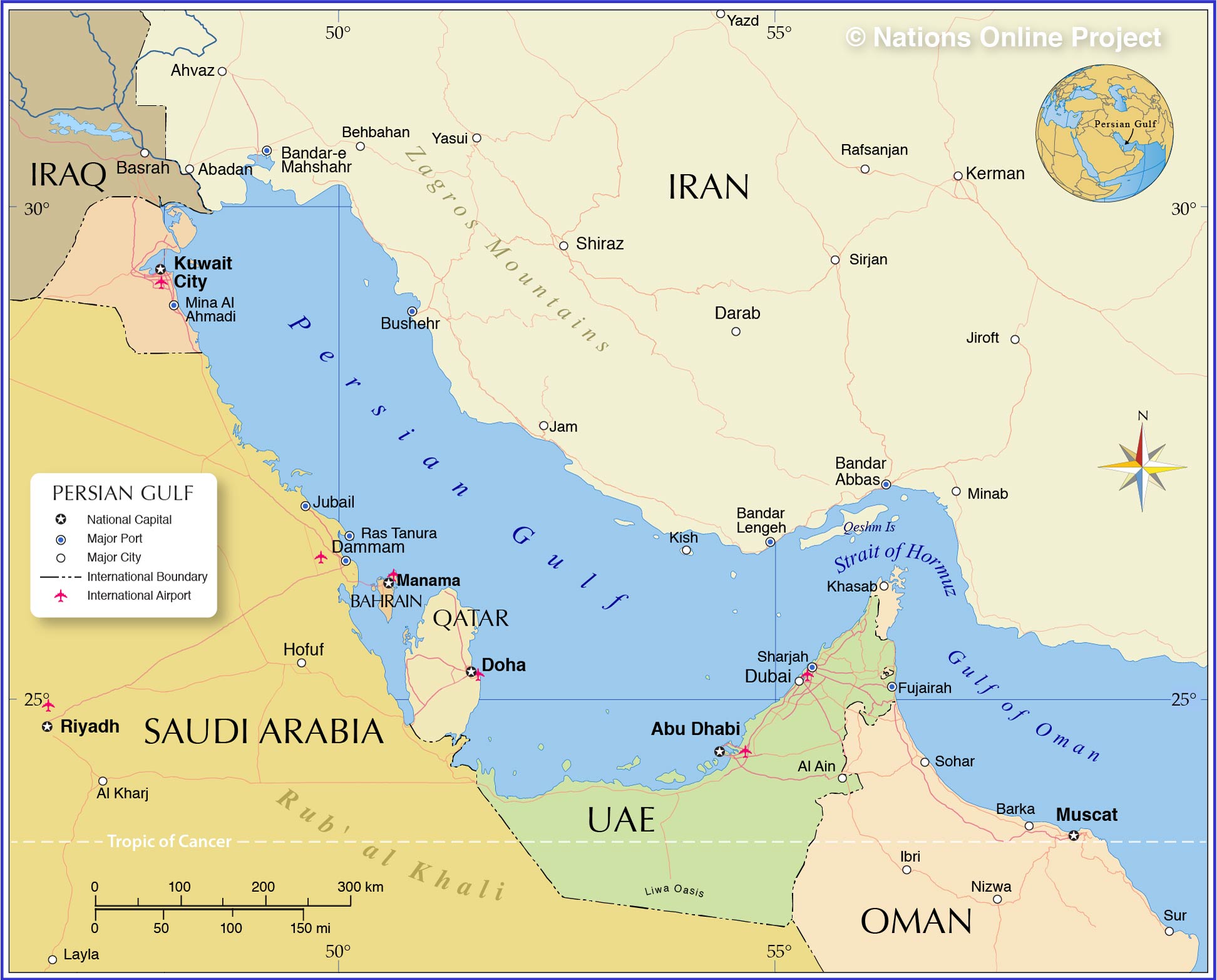
Furthermore, the humanitarian and environmental consequences of targeting or occupying such a facility are profound. An accidental or intentional strike on oil storage infrastructure could lead to a massive environmental catastrophe in the Persian Gulf, impacting the coastlines of several neighboring nations. The International Maritime Organization has repeatedly warned that the region’s high density of oil tankers makes any military conflict an extreme risk to global maritime safety and environmental stability.
The Context of Energy Sanctions
Much of the current debate stems from the ongoing enforcement of international sanctions aimed at curbing Iran’s revenue. While some political figures have floated the idea of seizing energy assets to enforce these mandates, the reality of international law complicates such actions. The United Nations Charter generally prohibits the use of force against the territorial integrity of sovereign states except in cases of self-defense or with Security Council authorization. Consequently, the U.S. approach has historically favored the use of secondary sanctions to discourage third-party countries from purchasing Iranian crude, rather than direct physical seizure.
Recent reports regarding the transfer of oil have highlighted the complexities of global energy markets. According to the U.S. Department of the Treasury, the Office of Foreign Assets Control (OFAC) continues to target shipping networks and illicit financial channels used to export Iranian oil. This strategy relies on financial intelligence and cooperation with international maritime authorities, which functions as a non-kinetic alternative to the military occupation of energy infrastructure.
What Happens Next
The situation remains a dynamic element of Middle Eastern security. Observers are currently monitoring for any shifts in U.S. policy following the recent change in administration and updated national security briefings. Any potential escalations are typically preceded by changes in the posture of the U.S. Fifth Fleet, which is headquartered in Bahrain and tasked with regional maritime security. For the latest official updates on regional security deployments, the public can consult the U.S. Naval Forces Central Command website.
As tensions persist, the focus remains on whether diplomatic channels can address the underlying disputes regarding Iran’s nuclear program and regional influence. Readers interested in the evolving situation are encouraged to follow official statements from the Department of State and the Pentagon for verified developments. Please share your thoughts on the impact of energy-related sanctions in the comments section below.
Keep reading
- How Korean Streaming Giants Wavve and Tving are Fighting Subscription Fatigue with FAST Channels
- USS Fort Worth Retires After 14 Years and Imperial County Pet Adoption News
- Thousands of American Historic Landmarks Face Severe Wildfire Threat (newsdirectory3.com)
- Israel Raises Security Concerns Over Trump-Brokered Hamas Disarmament Deal (time.news)