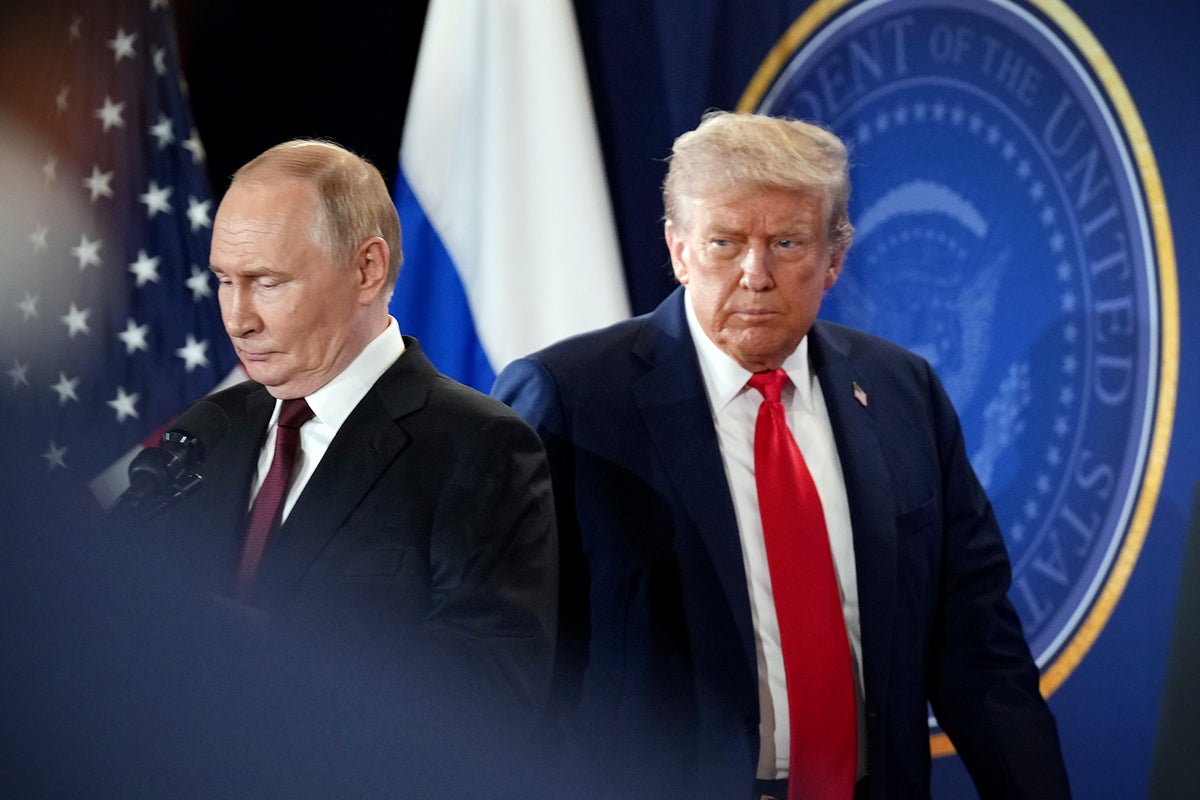
Proposed Framework for Ukraine-russia Peace: A Detailed Analysis
Recent reports detail a proposed framework aiming to resolve the ongoing conflict between Ukraine adn Russia. This outline, reportedly presented by a former governance, suggests a path toward ceasefire and long-term stability, but also raises critical questions about its feasibility and implications. Let’s break down the key components and analyze what this could meen for the future of the region.
Territorial Considerations & Security Guarantees
Firstly, the proposal centers on a important shift in territorial recognition. Russia would forfeit any guarantees or recognition of currently held territories should it re-initiate attacks on Ukraine. This is a crucial point, establishing a clear red line for further aggression.
Secondly, both nations would commit to upholding any future territorial arrangements agreed upon, refraining from forceful alterations. Any breach of this commitment would invalidate existing security guarantees.
Economic & Humanitarian Provisions
Furthermore,the framework addresses vital economic and humanitarian concerns. Russia would allow Ukraine unrestricted access to the Dnieper river for commercial purposes. Agreements would also be established to ensure the free passage of grain shipments through the Black Sea, addressing global food security concerns.
A dedicated humanitarian committee would be formed to tackle outstanding issues, including:
* Complete exchange of all prisoners of war and recovered bodies on an “all for all” basis.
* The immediate return of all civilian detainees and hostages, with a specific focus on reuniting children with their families.
* Implementation of a thorough family reunification program.
* dedicated measures to alleviate the suffering of those impacted by the conflict.
Political Transition & Accountability
Importantly, the proposal calls for Ukraine to hold elections within 100 days of the agreement’s implementation. This rapid transition to democratic process is intended to stabilize the political landscape.
Additionally, a full amnesty would be granted to all parties involved in the conflict. This aims to prevent future recriminations and foster a path toward reconciliation, precluding any future claims or complaints related to actions taken during the war.
Implementation & Oversight
the agreement would be legally binding, with implementation overseen by a “Peace council” led by a designated individual. Violations of the agreement would be met with the imposition of sanctions, ensuring accountability.
Upon mutual agreement,a ceasefire would instantly take effect,accompanied by a coordinated retreat of forces to pre-defined positions to facilitate the agreement’s implementation.
Analyzing the Framework: Potential & Challenges
This proposed framework presents a complex set of conditions. While it offers a potential pathway to de-escalation, several challenges remain. The core issue of territorial concessions, and Ukraine’s willingness to accept them, is likely to be a major sticking point.
Moreover, the effectiveness of the “Peace Council” and the enforcement of sanctions will be critical to the agreement’s success. The framework’s reliance on a single individual for oversight raises questions about impartiality and long-term sustainability.
Ultimately, the viability of this proposal hinges on the willingness of both sides to compromise and commit to a genuine pursuit of peace. It’s a starting point for discussion, but significant negotiation and careful consideration are required to transform it into a lasting solution.
Disclaimer: This analysis is based on publicly available information regarding the reported proposal. The situation is fluid, and details may evolve.
Keep reading