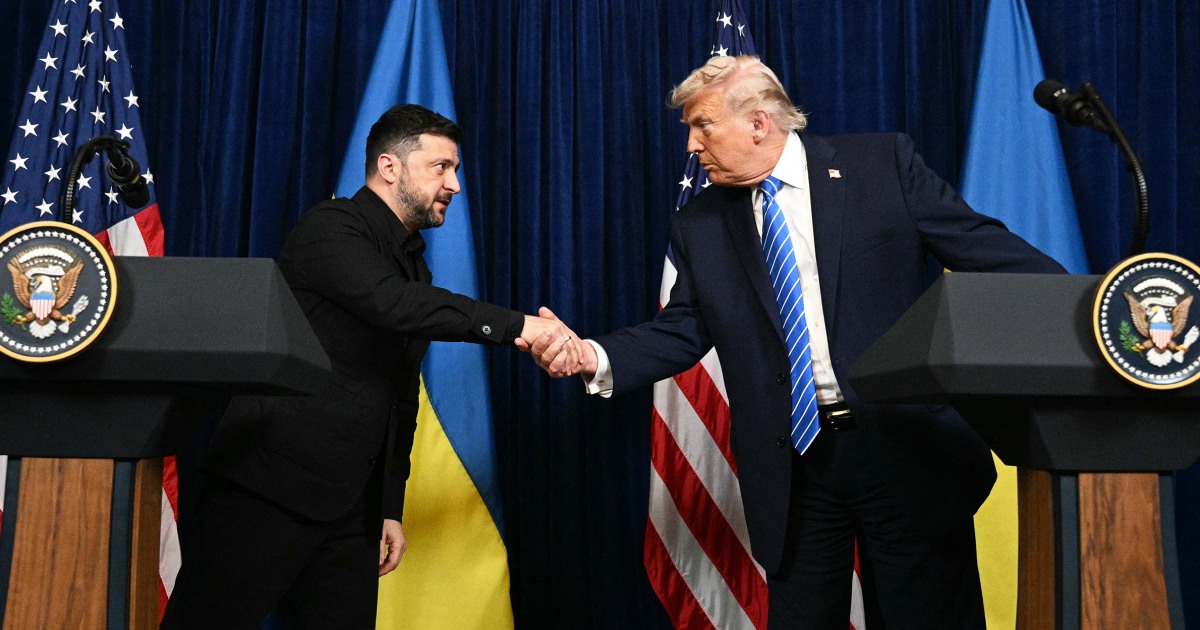
Navigating the Complexities of a Potential Ukraine-Russia peace Deal
A potential path toward ending the conflict in Ukraine is taking shape, but significant hurdles remain.Recent diplomatic efforts, building upon an initial U.S. proposal, have yielded a 20-point peace plan. Though, achieving a lasting resolution will require navigating deeply entrenched disagreements, particularly concerning the eastern Donbas region and the critical Zaporizhzhia Nuclear Power Plant.
Let’s break down the key sticking points and what they mean for you and the future of the region.
The Donbas Dilemma
Control of Donbas remains a central issue. Russia is demanding full control of the region, a position President Putin has firmly maintained. Ukraine, however, currently controls portions of Donbas and has declared its unwillingness to cede that territory.
This creates a essential impasse. You can see how difficult compromise will be when both sides have such firm, opposing positions.
The Zaporizhzhia Nuclear Power Plant: A High-Stakes Issue
The Zaporizhzhia Nuclear Power Plant, Europe’s largest, adds another layer of complexity. Currently occupied by Russian forces, both ukraine and Russia want control of the plant within any peace agreement.
The potential for disaster is immense, making this a particularly sensitive and urgent issue. Ensuring the plant’s safety and security is paramount for the entire continent.
Proposed Solutions and Remaining Concerns
American negotiators have suggested establishing a “free economic zone” in Donbas as a potential solution. however, Ukrainian President Zelenskyy has emphasized the need for a detailed plan and broad public consultation before any agreement can be reached.
He has also proposed a national referendum on the entire 20-point peace plan, contingent upon a ceasefire of at least 60 days.This is a significant request, designed to ensure Ukrainian citizens have a voice in their future.
The Ceasefire Challenge
Unfortunately,Moscow has rejected the idea of a temporary ceasefire,insisting on a permanent peace agreement.This stance aligns with comments from former President Trump, who expressed understanding of Russia’s position.
This divergence on the issue of a ceasefire presents a major obstacle. Without a pause in fighting, meaningful negotiations and a referendum become incredibly difficult, if not unachievable.
What Does This Mean Moving Forward?
The path to peace in Ukraine is fraught with challenges. While the 20-point plan represents a step forward, bridging the gap between the demands of both sides will require significant flexibility and compromise.
Here’s a rapid recap of the key challenges:
* Territorial Disputes: Russia’s insistence on full control of Donbas clashes with Ukraine’s determination to retain its territory.
* Nuclear Safety: The Zaporizhzhia plant remains a critical vulnerability,demanding a secure and internationally recognized solution.
* ceasefire impasse: Russia’s refusal to agree to a temporary ceasefire hinders negotiations and public participation.
* Public Approval: Ukraine’s call for a referendum underscores the importance of ensuring any peace deal has the support of its citizens.
Ultimately, a lasting peace will require a willingness from all parties to address these concerns constructively and prioritize the safety and security of the ukrainian people and the wider region.It’s a complex situation, but understanding these key issues is the first step toward informed engagement and a hopeful future.
Keep reading
- อิหร่านยืนยันโจมตีเรือไทยในช่องแคบฮอร์มุซ หลังระบุฝ่าฝืนคำสั่งกองกำลังพิทักษ์การปฏิวัติ (คลิป) – Thairath.co.th
- Clariant weist wettbewerbsrechtliche Schadenersatzforderung von Dow Europe über 1,3 …
- Trump Reignites Election Fraud Debates with Prime-Time Speech (time.news)
- What Is a 'Blue Slip'? The Senate Custom Trump Wants Gone (daybreakwire.com)