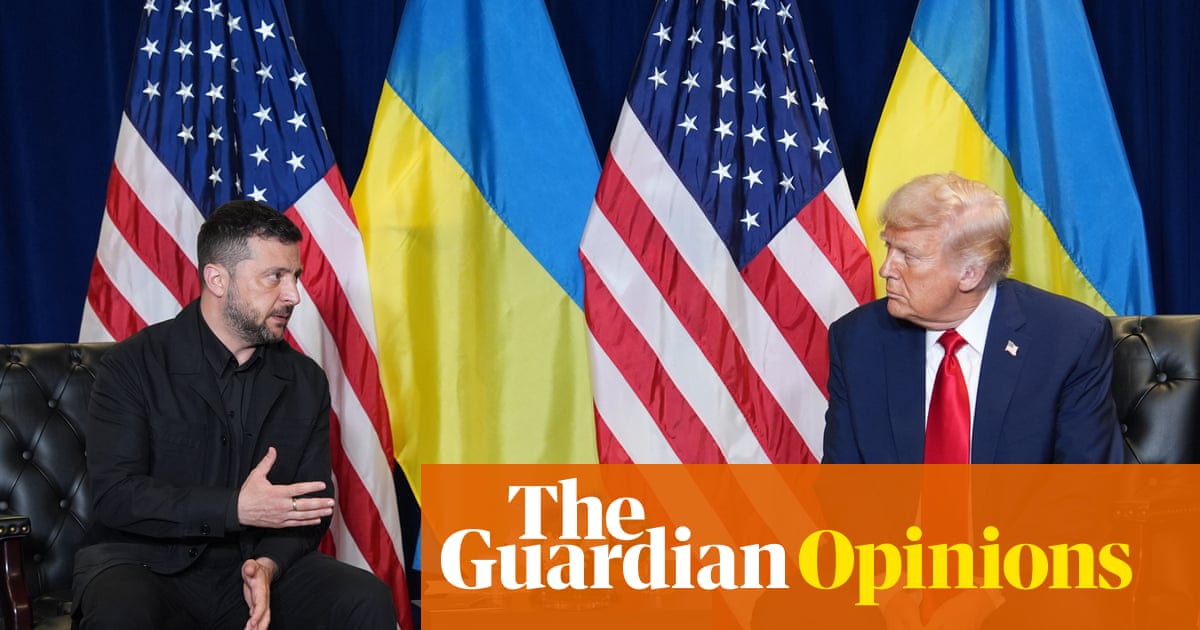
The Shifting Sands of TrumpS Ukraine Policy: A Pragmatic Pivot or Familiar Pattern?
Donald Trump’s recent pronouncements regarding Ukraine and Russia have once again sparked intense scrutiny. His proposals – including possibly lifting sanctions on Russia and pushing Ukraine towards concessions – represent a meaningful departure from established US policy.But is this a genuine strategic shift, or simply a continuation of his historically ambivalent stance towards Vladimir Putin?
The core of the debate lies in understanding Trump’s motivations. He previously challenged democratic norms and demonstrated a willingness to prioritize personal relationships over long-held alliances. This history casts a long shadow over his current rhetoric.
Initially, Trump appeared to favor a swift resolution, even if it meant pressuring Ukraine to accept unfavorable terms. He even set deadlines for Russia to de-escalate, but failed to enforce them with meaningful consequences. His recent statement suggesting he’d “know” if he could trust Putin within a month only adds to the uncertainty.
Though, a potential evolution in Trump’s thinking is emerging. He now suggests a strategy of increased pressure on Russia – both through bolstering Ukraine’s military capabilities and threatening tougher sanctions.This approach, while still evolving, is a marked improvement over previous signals of appeasement.
Here’s a breakdown of the potential shift and its implications:
* From Capitulation to Deterrence: Trump seems to be moving away from demanding Ukraine surrender territory and towards a strategy of raising the costs of war for Russia.
* Optimistic Assessment of Ukraine: He expresses a surprisingly optimistic view of Ukraine’s battlefield prospects, contingent on increased US aid.
* Economic Pressure on Russia: Trump believes escalating sanctions could further weaken the Russian economy, potentially forcing Putin to the negotiating table.
This potential pivot shouldn’t be mistaken for a full embrace of conventional foreign policy. It’s likely driven by a desire to be seen as a “great peacemaker” and a belated recognition that Putin isn’t interested in a genuine peace unless he achieves his objectives.
What dose this mean for you and the future of the conflict?
While a more assertive stance towards russia is welcome, Kyiv’s allies shouldn’t rely on it. This possibility is fleeting and requires immediate action.
* Sieze the Moment: Increased military aid to Ukraine is crucial to capitalize on Trump’s seemingly more supportive rhetoric.
* Expedite Sanctions: Swiftly implementing tougher sanctions, as Trump suggests, could substantially impact Russia’s ability to wage war.
* Maintain Vigilance: Be prepared for potential shifts in Trump’s position. His track record demonstrates a pattern of unpredictability.
Ultimately,a lasting resolution to the Ukraine conflict requires a unified and resolute response from the West. While Trump’s evolving stance presents a strategic opportunity, it’s one that must be approached with cautious optimism and a commitment to unwavering support for Ukraine’s sovereignty and security. Russia’s economic vulnerabilities are real, but exploiting them requires consistent and coordinated pressure.
Do you have an opinion on the issues raised in this article? If you would like to submit a response of up to 300 words by email to be considered for publication in our letters section, please