
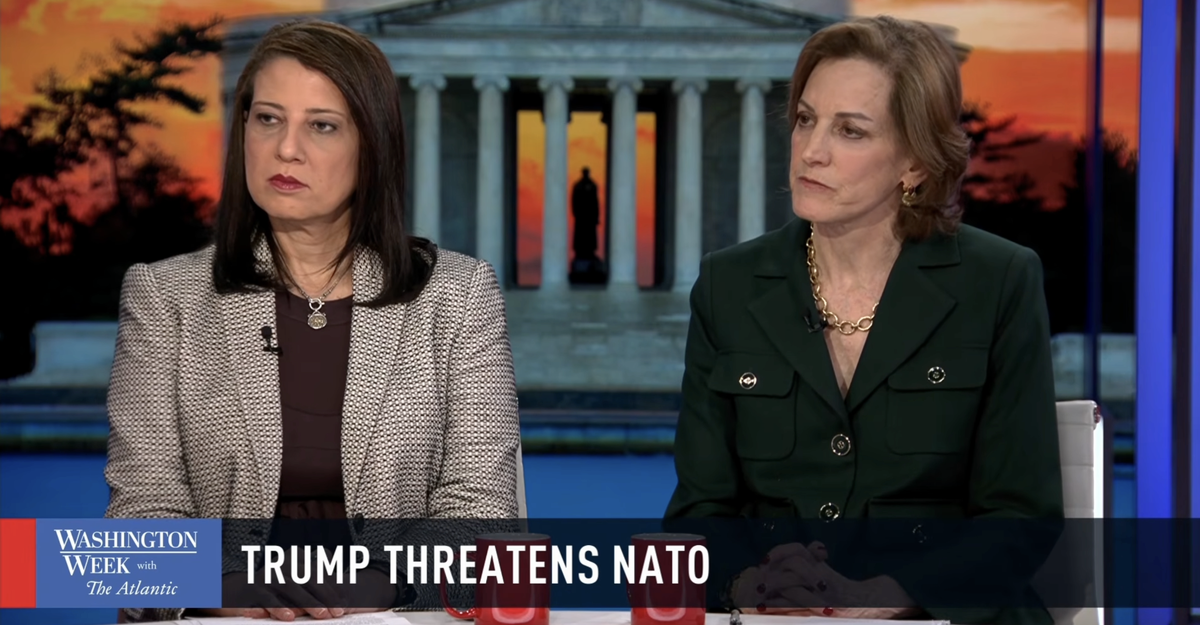
The escalating conflict in the Middle East is creating a profound rift between the United States and its European allies, as the Iran war is putting pressure on Europe both economically and diplomatically. While some NATO members continue to provide critical logistical and intelligence support for U.S. Operations, the political atmosphere in Washington has turned increasingly hostile toward the alliance.
President Donald Trump has repeatedly signaled his dissatisfaction with the 32-member transatlantic alliance, claiming that European nations have failed to support the U.S. During the offensive known as “Operation Epic Fury.” This operation, which targeted Iranian nuclear and ballistic missile capabilities, has become a flashpoint for tensions, leading the U.S. Administration to question the fundamental value of the NATO partnership.
The strain is not merely political. The conflict has triggered economic instability across Europe, driven largely by volatility in global oil prices. Tensions have peaked over the status of the Strait of Hormuz, with the U.S. Pressing allies to help reopen the waterway to stabilize energy markets—a request that several NATO countries have resisted according to reports from the BBC.
As the U.S. Moves to reexamine its relationship with Europe, the alliance faces what may be the greatest challenge in its history. With threats of U.S. Withdrawal from NATO and accusations that the alliance is a “one-way street,” the future of collective security in the West remains uncertain.
Operation Epic Fury and the NATO Divide
At the heart of the current friction is “Operation Epic Fury,” the U.S.-led military campaign against Iranian targets. While NATO Secretary-General Mark Rutte has praised the strikes on Iran’s nuclear and missile infrastructure, the operational reality has exposed deep divisions among member states. Some European nations have been accused by the White House of blocking base access and providing limited assistance to the offensive as detailed by Fox News.
This perceived lack of solidarity has prompted a sharp response from President Trump. In a Truth Social post dated March 31, the President warned the alliance that the U.S. Would no longer provide unconditional help, stating, “You’ll have to start learning how to fight for yourself, the U.S.A. Won’t be there to help you anymore, just like you weren’t there for us.”
The White House has been explicit about its view of the alliance’s performance during the crisis. Press Secretary Karoline Leavitt, quoting the president, stated that NATO was “tested, and they failed,” adding that It’s “quite sad that NATO turned their backs on the American people over the course of the last six weeks when it’s the American people who have been funding their defense” via Fox News.
Diplomatic Friction and White House Meetings
The tension reached a critical point during a series of meetings at the White House. Secretary-General Mark Rutte met with President Trump and Secretary of State Marco Rubio to address the fraying transatlantic relations. Rutte later described the conversation as “very frank” and “very open,” though he acknowledged the presence of clear disagreements per the BBC.
Secretary of State Marco Rubio has indicated that the U.S. Intends to conduct a strategic review of the alliance once the current conflict concludes. Rubio told Fox News, “After this conflict is concluded, we are going to have to reexamine that relationship. We’re going to have reexamined the value of NATO in that alliance for our country” via Fox News.
This shift in policy reflects a broader trend during the current administration, where European allies have faced a combination of tariffs and diplomatic insults. Analysts suggest that the U.S. Is searching for scapegoats for the complexities of the Iran war, and European partners have become the primary targets.
Economic Fallout and Energy Security
Beyond the military and diplomatic spheres, the Iran war is putting pressure on Europe through severe economic channels. The primary driver of this instability is the volatility of global oil prices, which are heavily influenced by the security of the Strait of Hormuz. Because a significant portion of the world’s oil passes through this narrow waterway, any disruption—or the threat of one—immediately impacts energy costs across the European continent.
The U.S. Has pushed for NATO allies to actively help reopen the Strait to ease these rising prices. However, the reluctance of some member states to commit resources to this specific objective has fueled President Trump’s narrative that the alliance is not acting in the interest of the American people. This economic leverage has become a tool for diplomatic pressure, as the U.S. Questions why it should fund the defense of nations that resist its strategic goals in the Middle East.
Key Points of Contention
- Base Access: The U.S. Has slammed European nations for restricting access to military bases necessary for the Iran offensive.
- Financial Burden: The White House maintains that the U.S. Disproportionately funds the defense of NATO members who do not reciprocate support during active conflicts.
- Strategic Objectives: Disagreements persist over the reopening of the Strait of Hormuz and the overall objectives of the war in Iran.
- Alliance Value: The U.S. Administration is openly questioning whether the 32-member alliance still serves U.S. National interests.
The Future of the Transatlantic Alliance
The current trajectory suggests a fundamental shift in how the United States views its role as the guarantor of European security. The transition from a cooperative partnership to a transactional relationship is now evident in the rhetoric coming from the Oval Office. The repeated threats to withdraw from NATO are no longer seen as mere negotiation tactics but as a potential policy shift based on the perceived failure of the alliance during Operation Epic Fury.

For Europe, the stakes are existential. The loss of the U.S. Security umbrella would force a rapid and costly militarization of European states, many of which are already struggling under the economic weight of the energy crisis. While Secretary-General Rutte continues to attempt to convince the administration that staying in NATO is in America’s best interest, the “frank” nature of these talks suggests that the gulf between Washington and Brussels is widening via The New York Times.
The resolution of the conflict in Iran will likely determine the fate of the alliance. If the U.S. Perceives a “win” that was achieved despite NATO’s hesitation, the pressure to decouple from the alliance may increase. Conversely, if the conflict drags on with unclear objectives, the need for intelligence and logistical cooperation with Europe may force a temporary truce in the diplomatic war.
The next critical checkpoint will be the conclusion of the current conflict in Iran, after which Secretary of State Marco Rubio and the administration are expected to formally reexamine the value and structure of the NATO alliance.
World Today Journal encourages readers to share this report and join the conversation in the comments below regarding the future of transatlantic security.