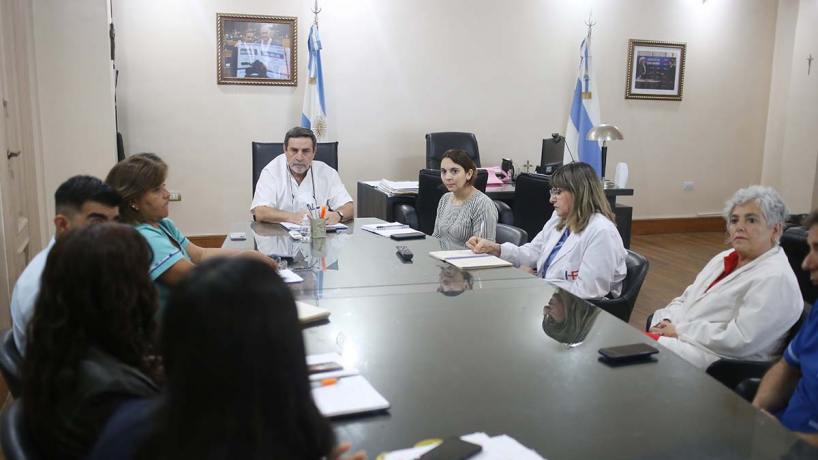
Tucumán province’s flagship hospital, Hospital Padilla, is undergoing a strategic overhaul aimed at streamlining patient care and improving service delivery. The initiative, announced on March 6, 2026, focuses on reducing internal processing times, shortening waitlists, and prioritizing attention for those with the most critical needs. This effort, supported by Governor Osvaldo Jaldo, underscores a broader commitment to enhancing public health services across the region.
The push for optimization comes as healthcare systems globally grapple with increasing demands and the need for greater efficiency. Hospital Padilla, serving as a key referral center for Tucumán and the wider northwestern Argentina region, plays a vital role in trauma care, particularly in cases of severe injuries resulting from traffic accidents. Addressing these challenges requires a multifaceted approach, encompassing improved internal workflows and a renewed focus on patient-centered care. The hospital’s strategic location and specialized services necessitate a robust and responsive system to effectively serve the population.
Addressing Patient Flow and Reducing Wait Times
The impetus for change stems from a desire to improve accessibility and responsiveness for patients seeking care at Hospital Padilla. According to discussions between Provincial Minister of Public Health, Dr. Luis Medina Ruíz, and the hospital’s Deputy Medical Director, Dr. Mirta Coronel, a key objective is to simplify internal processes. This involves reducing the number of steps patients must navigate to receive treatment, ultimately shortening wait times and improving overall satisfaction. The goal is to create a more direct pathway to solutions for individuals arriving at the hospital, ensuring they receive timely and appropriate care.
Dr. Coronel emphasized the importance of empathy and understanding in this process. “The concern is to help, in particular, those people who need it most. We always try to put ourselves in the other person’s place and think about how to shorten the circuits; if I shorten the circuits, I improve care for these patients,” she stated. This patient-centric approach highlights a commitment to not only improving efficiency but also fostering a more compassionate and supportive healthcare environment. The focus on streamlining processes directly addresses a common pain point for patients and their families, aiming to alleviate anxiety and improve the overall healthcare experience.
Hospital Padilla: A Regional Trauma Center
Hospital Padilla’s role extends beyond general medical care; it serves as a critical center for complex trauma cases throughout the province and the broader northwestern Argentina region. The hospital specializes in treating severe injuries resulting from traffic accidents, including traumatic brain injuries and polytrauma. According to data from the World Health Organization, road traffic injuries are a leading cause of death and disability worldwide, making specialized trauma care centers like Hospital Padilla essential for public health. The WHO estimates that approximately 1.3 million people die each year as a result of road traffic crashes.
Dr. Coronel highlighted the prevalence of motorcycle-related injuries, noting that individuals traveling by motorcycle are disproportionately affected by severe trauma. “The majority of people who have automotive or traffic trauma are on motorcycles, then in cars, then on bicycles, and then some pedestrians,” she explained. This observation underscores the need for targeted safety campaigns and preventative measures to reduce the incidence of motorcycle accidents and mitigate the severity of injuries when they occur. Public health initiatives promoting helmet use and safe driving practices are crucial in addressing this issue.
Collaboration and Key Personnel Involved
The optimization efforts at Hospital Padilla are a collaborative undertaking involving various departments and key personnel. The meetings led by Dr. Medina Ruíz and Dr. Coronel included representatives from Patient Management, led by Dr. Fernando Sarmiento; Social Services, headed by Lic. Silvana Pereira; and the Nursing Department, under the direction of Dr. Pablo Salazar. This interdisciplinary approach ensures that all aspects of patient care are considered and integrated into the improvement process. Effective communication and coordination between these departments are essential for achieving the desired outcomes.
The involvement of these key leaders demonstrates a commitment to systemic change within the hospital. By bringing together representatives from different areas of expertise, the initiative aims to identify and address bottlenecks in the patient care pathway, fostering a more cohesive and efficient system. This collaborative spirit is crucial for driving sustainable improvements and ensuring that the benefits are felt by both patients and healthcare providers.
Focus on Vulnerable Populations
A central tenet of the optimization strategy is a commitment to prioritizing care for the most vulnerable populations. Dr. Coronel reiterated the importance of understanding the unique needs of each patient and tailoring care accordingly. This approach aligns with broader public health principles that emphasize equity and access to healthcare for all. Addressing health disparities and ensuring that marginalized communities receive the care they need is a critical component of a just and effective healthcare system.
The focus on vulnerable populations also reflects a recognition that social determinants of health – factors such as poverty, education, and access to resources – can significantly impact health outcomes. By addressing these underlying factors and providing targeted support, Hospital Padilla aims to improve the overall health and well-being of the communities it serves. This holistic approach to healthcare recognizes that addressing medical needs is only one piece of the puzzle.
The ongoing efforts at Hospital Padilla represent a significant step towards enhancing the quality and accessibility of healthcare services in Tucumán province. By streamlining processes, prioritizing patient needs, and fostering collaboration among key stakeholders, the hospital is poised to become an even more effective and responsive resource for the community. The success of this initiative will likely serve as a model for other healthcare facilities in the region, paving the way for broader improvements in public health.
As the hospital continues to implement these changes, ongoing monitoring and evaluation will be crucial to assess their impact and identify areas for further improvement. Regular feedback from patients and healthcare providers will be essential in ensuring that the optimization efforts are aligned with the needs of the community. The commitment to continuous improvement will be key to sustaining the positive momentum generated by this initiative.
The next steps for Hospital Padilla involve the continued implementation of the streamlined processes and the monitoring of key performance indicators, such as wait times and patient satisfaction. Further updates on the progress of this initiative are expected in the coming months. Readers interested in learning more about Hospital Padilla and its services can visit the Tucumán Province Ministry of Public Health website. Ministry of Public Health of Tucumán
What are your thoughts on these improvements to Hospital Padilla? Share your comments below and help us continue the conversation about accessible and efficient healthcare.
Related reading