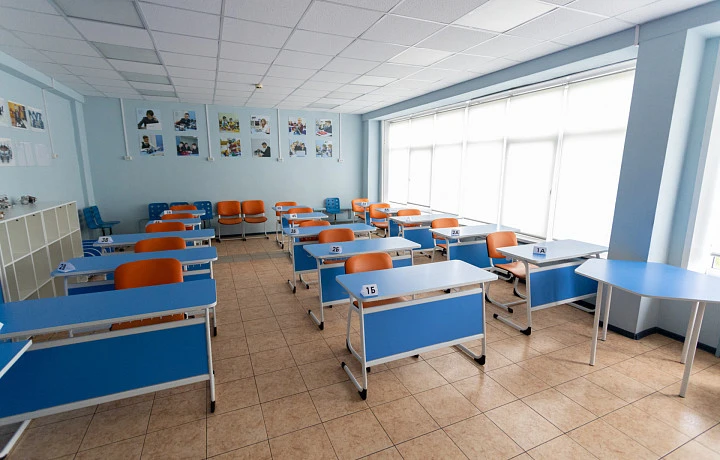
Tula Region Governor Dmitry Milyaev announced that 46 educational facilities are scheduled for renovation in 2026.
The announcement came during a meeting. According to official reports from the Tula regional administration, the 2026 targets are designed to ensure that educational environments meet current federal standards for safety and pedagogical efficiency.
The scale of the 2026 plan reflects a continued investment in the region’s human capital. By focusing on 46 specific sites, the administration aims to reduce the backlog of necessary repairs and integrate modern technological equipment into classrooms across the Tula Oblast.
How will the Tula region modernize these 46 educational sites?
The renovation process for the 46 objects involves a combination of capital repairs and systemic upgrades. According to Governor Dmitry Milyaev, the priority is to create a “modern and comfortable” environment for students. This typically includes the replacement of outdated heating and electrical systems, roof repairs, and the refurbishment of interior spaces to comply with modern educational requirements.
These upgrades are often tied to federal programs, such as the “Modernization of Primary Education” initiative. Under such frameworks, the Tula region seeks to standardize the quality of education regardless of whether a school is located in the city of Tula or in more remote rural districts. The 2026 timeline suggests a phased rollout where the most critical infrastructure failures are addressed first.
For the local economy, these renovations represent a significant procurement cycle. The regional government must coordinate with construction firms and material suppliers to ensure that work is completed during school breaks to avoid disrupting the academic calendar. This logistical requirement is a standard feature of the region’s infrastructure planning.
Who is affected by the 2026 renovation schedule?
The primary beneficiaries are the students and teaching staff of the 46 selected institutions. For students, the renovations mean safer buildings and updated facilities. For educators, the upgrades often include better administrative spaces and the installation of digital tools necessary for the current national curriculum.

Parents in the Tula region are also key stakeholders, as the quality of local school infrastructure directly impacts property values and family residency decisions. The administration’s commitment to 46 sites by 2026 serves as a benchmark for transparency in how regional funds are allocated toward social services.
Local contractors and the construction sector in the Tula Oblast will see an increase in demand for specialized school renovation services. Because educational facilities have strict safety codes, only certified contractors are eligible to bid on these government projects, ensuring a level of quality control over the 46 sites.
What is the broader context of education spending in Tula?
The plan to renovate 46 objects by 2026 does not exist in a vacuum. It follows a trend of increased regional spending on “social infrastructure,” a term used by the Tula administration to describe the collective network of schools, hospitals, and community centers. This strategy is intended to prevent the “brain drain” of young professionals leaving the region for Moscow or other major hubs.
Comparing this to previous years, the focus has shifted from merely building new schools to maintaining and upgrading existing ones. The Tula region has faced challenges with aging Soviet-era buildings that require comprehensive overhauls rather than simple cosmetic fixes. The 2026 target indicates a systemic approach to tackling this architectural debt.
Furthermore, these renovations are often paired with the delivery of new equipment. In previous regional cycles, the Tula government has emphasized the installation of interactive boards and computer labs, suggesting that the 2026 renovations will likely include the necessary wiring and power upgrades to support these technologies.
What happens next for the Tula infrastructure plan?
The next phase involves the finalization of the list of the 46 specific facilities and the opening of the tender process for construction contracts. The regional administration will need to publish the detailed budget allocations for each site to maintain public accountability.

Monitoring of the progress will be conducted through regional oversight committees. The Tula government typically provides quarterly updates on the percentage of completion for capital repair projects to ensure they meet the 2026 deadline.
Official updates regarding the specific schools and kindergartens selected for the 2026 cycle are expected to be released via the Tula Regional Government’s official portal. Readers are encouraged to monitor local administrative announcements for the full list of affected institutions.
We welcome your thoughts on these infrastructure developments. Please share this article and leave your comments below regarding the impact of school renovations on your community.