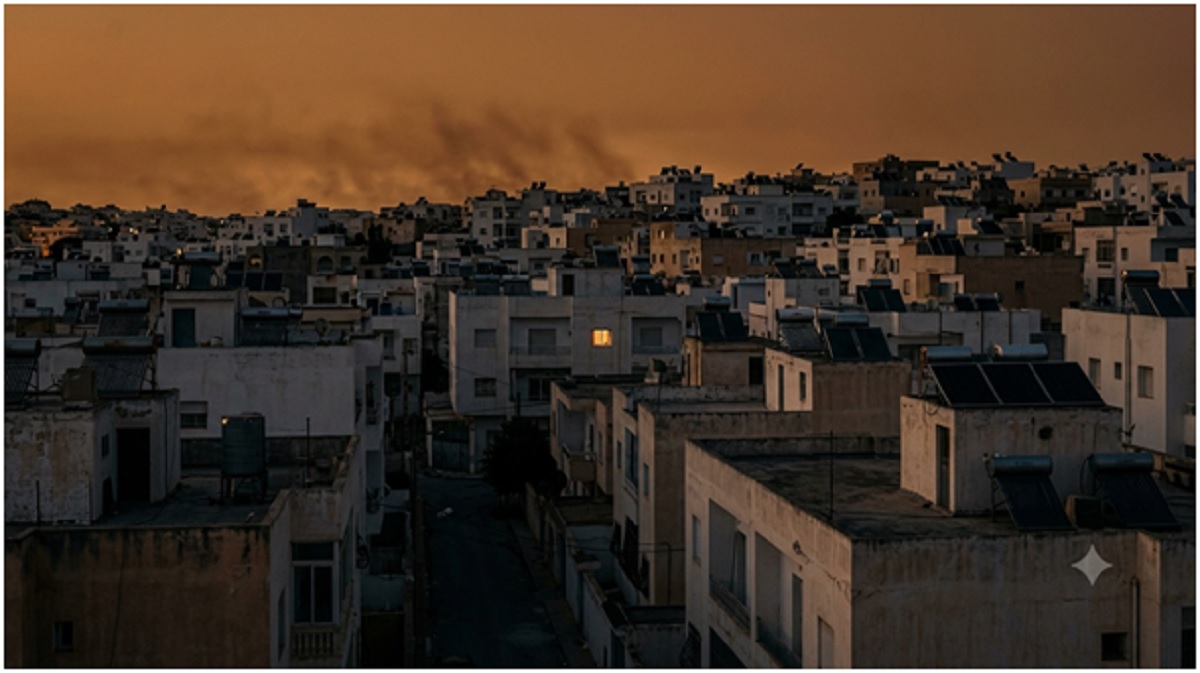
Tunisia is currently grappling with a severe energy crisis as record-breaking summer temperatures strain the national power grid, leading to widespread outages and growing public frustration. With temperatures reaching 49 degrees Celsius in regions like Tozeur and Jendouba, the state-owned utility, Société Tunisienne de l’Electricité et du Gaz (STEG), has faced significant operational challenges, culminating in a major, country-wide blackout that left millions without power between July 14 and July 15.
The intensity of the heatwave has pushed electricity consumption to historical peaks, as households and businesses rely heavily on air conditioning to cope with the extreme thermal conditions. According to national meteorological data, the sustained high temperatures—often exceeding 40 degrees Celsius indoors—have created a critical demand-supply imbalance. This surge has outpaced the capacity of the country’s aging power infrastructure, which experts suggest is struggling to maintain stability under the combined pressure of climate-induced demand and limited generation investment.
Infrastructure Strain and the Blackout Event
The blackout that occurred during the night of July 14 to July 15 serves as a stark indicator of the vulnerability within the Tunisian energy sector. Millions of residents across multiple governorates reported total losses of service, disrupting telecommunications, water supplies, and essential cooling systems during the peak of the heatwave. While STEG has historically managed seasonal demand spikes, the scale of this recent failure has prompted questions regarding the adequacy of current maintenance schedules and the long-term planning of the nation’s energy mix.
The reliance on fossil-fuel-based power plants, which are sensitive to high ambient temperatures, has been a significant factor in the system’s recent instability. As temperatures climb toward the 50-degree mark in inland provinces, the efficiency of these thermal units drops, further tightening the margin between available capacity and peak load. The absence of a diversified renewable energy portfolio has left the grid particularly exposed to these volatile weather patterns, a concern frequently cited by independent energy analysts monitoring the region.
Public Response and Official Communication
Public discourse has been dominated by criticism regarding the perceived lack of transparency from both STEG and the relevant ministerial authorities. In the immediate aftermath of the July outages, residents took to social media and local news platforms to voice their concerns over the lack of advance warnings and the slow restoration times. Despite the severity of the situation, official communication from the Ministry of Industry, Mines, and Energy remained limited in the days following the event, which many observers note has only deepened the public’s mistrust.
The silence from high-level officials has been contrasted by the urgency expressed by consumer advocacy groups, who are calling for a clearer roadmap on grid modernization and energy security. The lack of detailed post-incident reports from the government has left the public with little information regarding the specific technical failures that triggered the collapse of the national grid. For many, the outages are not merely a temporary inconvenience but a sign of systemic neglect that requires immediate policy intervention and capital expenditure.
The Path Forward for Tunisian Energy
Addressing the current energy crisis requires a multi-faceted approach that moves beyond emergency repairs. The Tunisian government faces the challenge of reconciling the immediate need for reliable power with the constraints of the national budget. Economic analysts suggest that the path forward must include an accelerated transition to renewable energy sources, particularly solar and wind, which are abundant in the southern regions where temperatures are most extreme. Such a shift could potentially alleviate the pressure on the central grid during peak summer hours.
Furthermore, there is an urgent need for institutional reform within STEG to improve its technical resilience and communication strategies. As the country prepares for future summer seasons, the demand for accountability and proactive infrastructure management will likely grow. The next critical checkpoint will be the release of a comprehensive audit or official statement regarding the July grid failure, as stakeholders and the public await clarity on how the government intends to prevent a recurrence of these widespread disruptions. As of the latest updates, no specific dates have been set for parliamentary inquiries into the energy ministry’s performance, though pressure continues to mount for an immediate and transparent review of the nation’s energy policy.
Keep reading