Turkey’s Economy Reels as Geopolitical Tensions Inflame Inflation
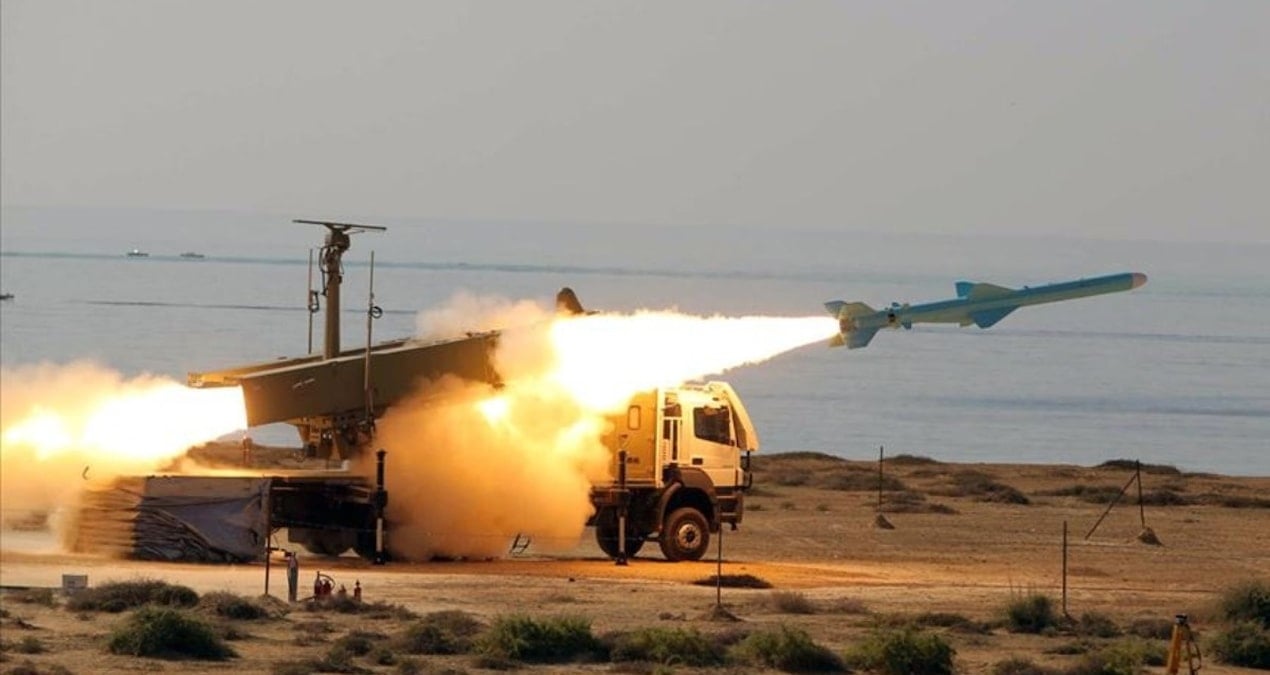
The escalating conflict in the Middle East is sending economic shockwaves across the globe, and Turkey is proving particularly vulnerable. Recent military actions involving the United States and Israel, focused on Iran, have rattled global markets and exacerbated existing economic challenges in Turkey, a nation already grappling with persistently high inflation. The situation is prompting a significant reassessment of economic policy by the Turkish government and international financial institutions.
The Turkish economy, long battling inflationary pressures, is now facing a new wave of uncertainty. The confluence of rising energy prices, disruptions to global supply chains, and investor anxiety is creating a challenging environment for Ankara. The timing is particularly sensitive, coinciding with discussions surrounding the reinstatement of the Eşel Mobil system and anticipated increases in fuel prices. These factors are converging to create a precarious economic outlook for the country.
February inflation data, released by the Turkish Statistical Institute (TÜİK), officially signaled the growing economic anxieties. Annual inflation rose to 31.5% in February, accelerating from 30.7% in January, while monthly inflation reached 2.96%. TÜİK data indicates that a primary driver of this increase was a surge in food prices. Yet, the most significant threat looms on the horizon: disruptions to urea (fertilizer) production in Qatar, coupled with a rally in global oil prices, are raising the specter of an unprecedented imported inflation shock for Turkey, a nation heavily reliant on energy imports.
Central Bank Shifts Course in Response to Crisis
The Turkish Central Bank (TCMB) has abruptly reversed course on monetary policy in response to the escalating geopolitical tensions. Having spent the previous five meetings steadily lowering interest rates, the TCMB implemented emergency measures following the outbreak of conflict. To quell market panic, the bank suspended borrowing from the policy rate and redirected banks to a 40% overnight borrowing window, effectively increasing short-term borrowing costs. Commercial banks also engaged in substantial foreign exchange sales to support the Lira, resulting in a relatively stable exchange rate of 43.96 against the US dollar following the data release, and a decrease in the two-year bond yield to 37%.
This dramatic shift in policy reflects the TCMB’s concern about containing inflationary pressures and stabilizing the Turkish Lira. The move signals a recognition that the external shocks stemming from the conflict necessitate a more cautious approach to monetary policy. The previous policy of easing monetary conditions, aimed at stimulating economic growth, is now deemed unsustainable in the face of rising global risks.
Global Banks Revise Turkey Forecasts
The combination of rising inflation and geopolitical instability has prompted major global banks to urgently revise their forecasts for the Turkish economy. Seda Güler Mert, Chief Economist at Garanti BBVA, stated that escalating tensions in Iran pose new upward risks to inflation through higher energy prices, and expects the Central Bank to halt interest rate cuts at its March 12th meeting. Mert also cautioned that March inflation could exceed 2.5%.
JPMorgan, a leading US investment bank, has completely cancelled its expectation of a 100 basis point interest rate cut this month, predicting an end to the easing cycle and raising its year-end inflation forecast for Turkey to 25%. JPMorgan’s revised forecast underscores the severity of the economic challenges facing Turkey. Deutsche Bank analysts have also noted that the upward risks to their 30% policy rate expectation depend on the duration of the oil price shock stemming from the conflict. Nick Rees, Head of Macro Research at Monex Europe, believes the TCMB will prefer to wait and assess the impact on inflation dynamics, suggesting that those expecting a rate cut at the March 12th meeting will be disappointed. The conflict, appears to have effectively closed the door on a period of “cheap money” in Turkey, and globally.
Impact on Key Sectors and Future Outlook
The Turkish economy’s vulnerability stems from its significant reliance on imported energy and raw materials. Rising oil prices directly translate into higher costs for businesses and consumers, fueling inflationary pressures. The disruption to fertilizer production in Qatar adds another layer of complexity, potentially impacting agricultural output and food prices. The tourism sector, a vital source of foreign exchange revenue for Turkey, could also be affected by the increased geopolitical instability, potentially deterring visitors.
The immediate priority for the Turkish government and the TCMB is to stabilize the Lira and contain inflation. Further monetary tightening, coupled with fiscal prudence, will be crucial to achieving this goal. However, the effectiveness of these measures will depend on the duration and intensity of the conflict in the Middle East, as well as the global economic response. The situation remains highly fluid and subject to rapid change.
The Turkish government will also need to focus on structural reforms to enhance the economy’s resilience to external shocks. This includes diversifying energy sources, promoting domestic production, and improving the business environment. Addressing long-standing structural weaknesses will be essential for ensuring sustainable economic growth in the long term.
Key Takeaways
- Inflationary Pressures Intensify: The conflict in the Middle East is exacerbating existing inflationary pressures in Turkey, driven by rising energy and food prices.
- Central Bank Policy Shift: The TCMB has abruptly reversed course on monetary policy, halting interest rate cuts and implementing emergency measures to stabilize the Lira.
- Forecast Revisions: Major global banks have revised their forecasts for the Turkish economy, anticipating higher inflation and slower growth.
- Increased Economic Uncertainty: The geopolitical instability is creating a highly uncertain economic outlook for Turkey, requiring a cautious and proactive policy response.
Looking ahead, the TCMB’s next monetary policy meeting on March 12th will be closely watched by markets. Analysts will be scrutinizing the bank’s assessment of the economic situation and its forward guidance on future policy actions. The outcome of this meeting will provide crucial insights into the TCMB’s commitment to tackling inflation and stabilizing the Turkish economy. The ongoing conflict in the Middle East and its impact on global energy markets will undoubtedly remain a key factor influencing the TCMB’s decisions.
The situation demands careful monitoring and a proactive approach from policymakers. The Turkish economy faces a challenging period ahead, but with prudent policy measures and a commitment to structural reforms, it can navigate these turbulent times and emerge stronger in the long run.
What are your thoughts on the Turkish economy’s response to the current geopolitical climate? Share your insights and perspectives in the comments below.
Keep reading