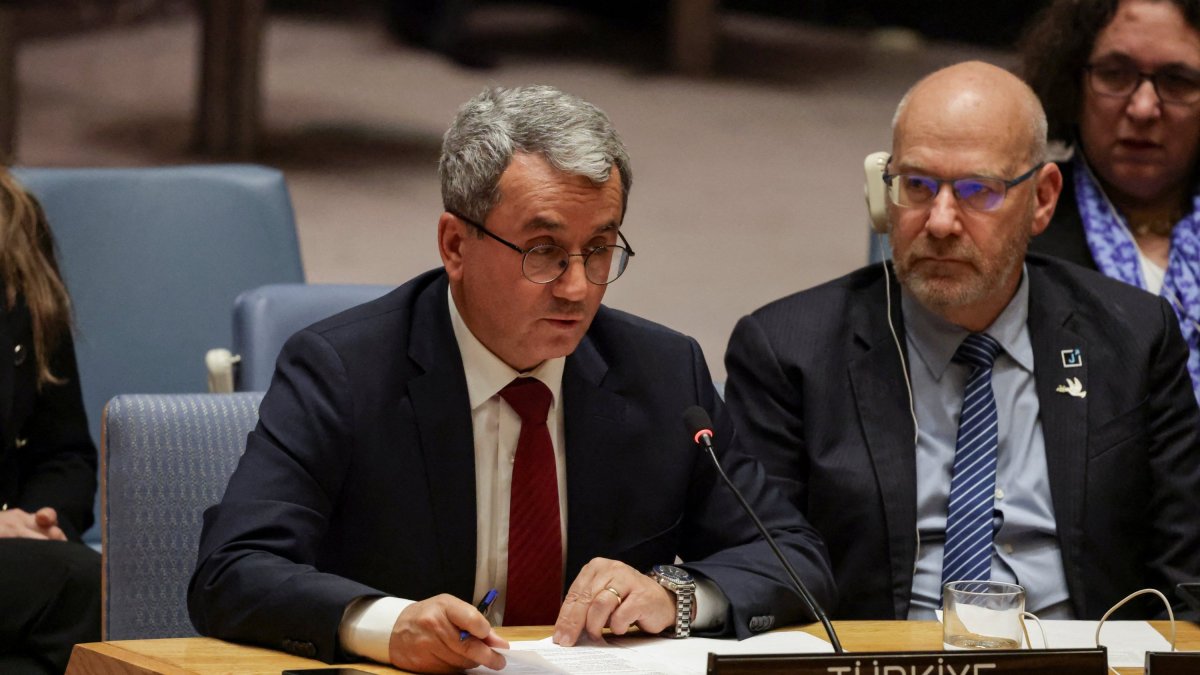
In a significant address to the United Nations Security Council, Türkiye’s Permanent Representative, Ahmet Yıldız, issued a sharp call for the international community to prioritize the protection of civilians in armed conflict. Speaking during an open session on Wednesday, May 21, 2026, Yıldız emphasized that safeguarding non-combatants is not merely a humanitarian necessity but a “shared responsibility” that requires a consistent and unified global response.
The address comes at a time of heightened geopolitical tension, as international bodies struggle to maintain the integrity of established legal frameworks. Yıldız’s remarks underscored a growing concern among member states regarding the uneven application of international norms, warning that perceived inconsistencies could have long-term implications for the stability of the global order.
Addressing the Credibility of International Law
A central theme of Yıldız’s intervention was the necessity of maintaining the legitimacy of multilateral institutions. He cautioned that the international community must avoid the pitfalls of “selective approaches” to legal standards, noting that such discrepancies pose a direct threat to the effectiveness of global governance.
“Selective approaches to international law undermine the credibility of the international legal system and erode confidence in multilateral institutions,” Yıldız stated during the session. His comments suggest that for international humanitarian law to remain a functional tool for peace, it must be applied with rigorous consistency, regardless of the political affiliations of the parties involved in a conflict.
For global observers and economic policymakers, this warning carries weight beyond the diplomatic sphere. The erosion of predictable, rules-based international systems often correlates with increased regional volatility, which can, in turn, impact global markets and the security of international trade routes.
Regional Crises: From Gaza to Lebanon
Turning his attention to the immediate humanitarian landscapes in the Middle East, Yıldız highlighted the urgent need for attention to ongoing crises, specifically naming the Gaza Strip and Sudan as areas requiring immediate international focus. He called for the consistent application of international humanitarian law to address these escalating situations.
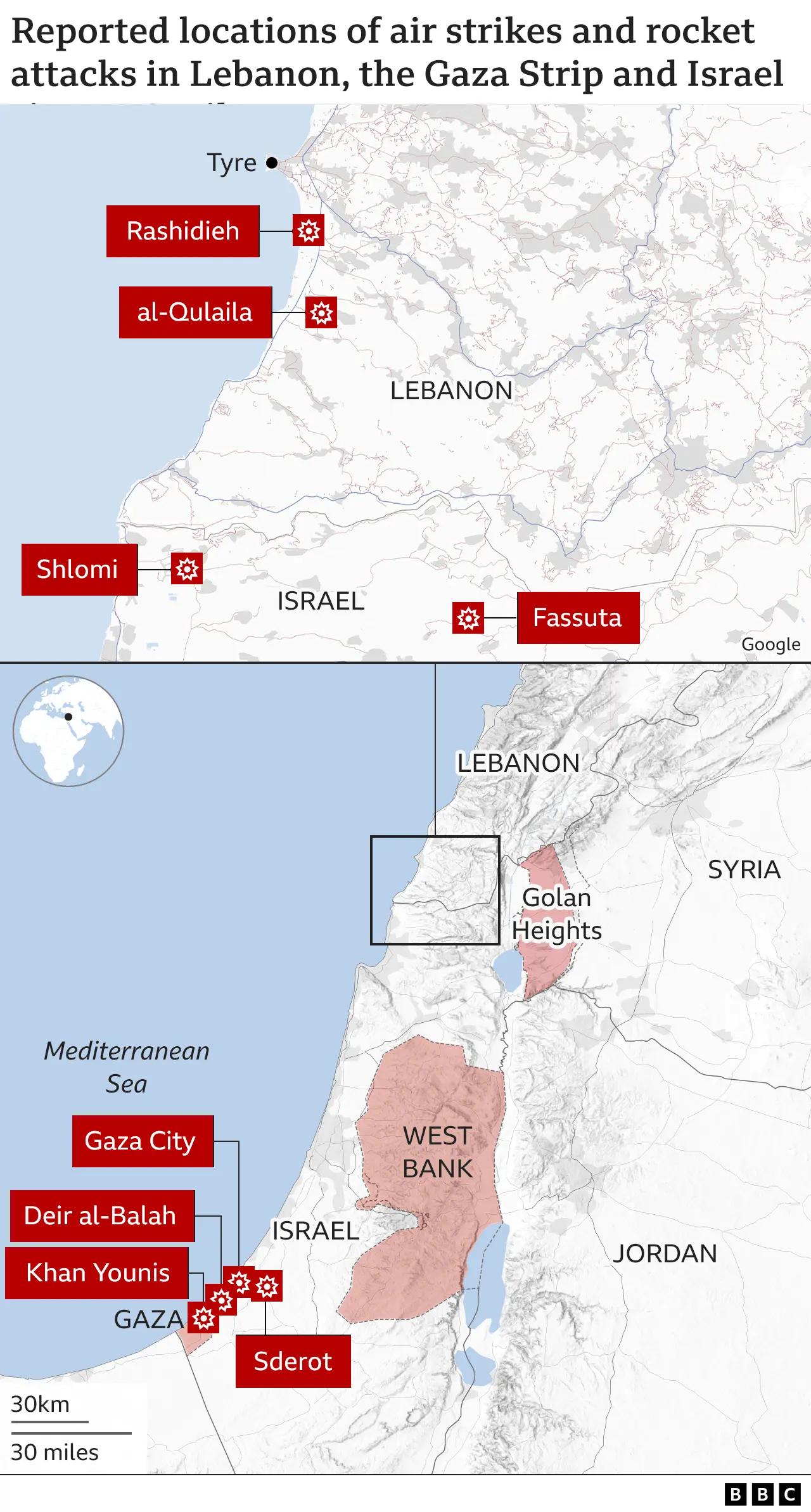
Regarding the Gaza Strip, Yıldız noted that despite the existence of a ceasefire, humanitarian conditions “remain dire.” He utilized the platform to advocate for sustained progress toward a two-state solution as a means of achieving long-term stability in the region.
The envoy also addressed the situation in Lebanon, emphasizing the fundamental importance of “preserving Lebanon’s sovereignty, territorial integrity and stability.” While acknowledging the Israel-Lebanon ceasefire as “an significant step that should be built upon,” he stressed that the protection of civilian life must remain the cornerstone of any lasting peace agreement in the area.
The Role of Historical Documentation and Accountability
To illustrate the necessity of documented accountability, Yıldız referred to the historical context of Cyprus. He noted that between 1963 and 1964, Turkish Cypriots underwent a period characterized by “political exclusion, violence, displacement, and isolation.”
Crucially, he pointed out that the atrocities committed against Turkish Cypriot civilians during this era are “well documented in UN archives.” By referencing these records, Yıldız reinforced the argument that historical truth and meticulous documentation are essential components of the pursuit of justice and the prevention of future violations in armed conflicts.
Key Takeaways from the Security Council Session
- Shared Responsibility: The protection of civilians must be treated as a collective priority for all international actors.
- Legal Consistency: Avoiding “selective approaches” to international law is vital to maintaining the credibility of the UN and the global legal system.
- Middle East Stability: Urgent attention is required for the humanitarian conditions in Gaza and the preservation of Lebanon’s sovereignty.
- Importance of Archives: Historical documentation of civilian atrocities is a critical tool for ensuring accountability.
The international community will continue to monitor the implementation of these calls for accountability. The next scheduled checkpoint for these discussions will involve subsequent UN Security Council sessions aimed at reviewing the humanitarian status in the Middle East and the efficacy of current ceasefire measures.

We invite our readers to share their perspectives on these developments. How can multilateral institutions better ensure the consistent application of international law? Leave a comment below and share this article with your network.
Related reading