“`html
CAR-Macrophage therapy Offers New Hope for Solid Tumor Treatment
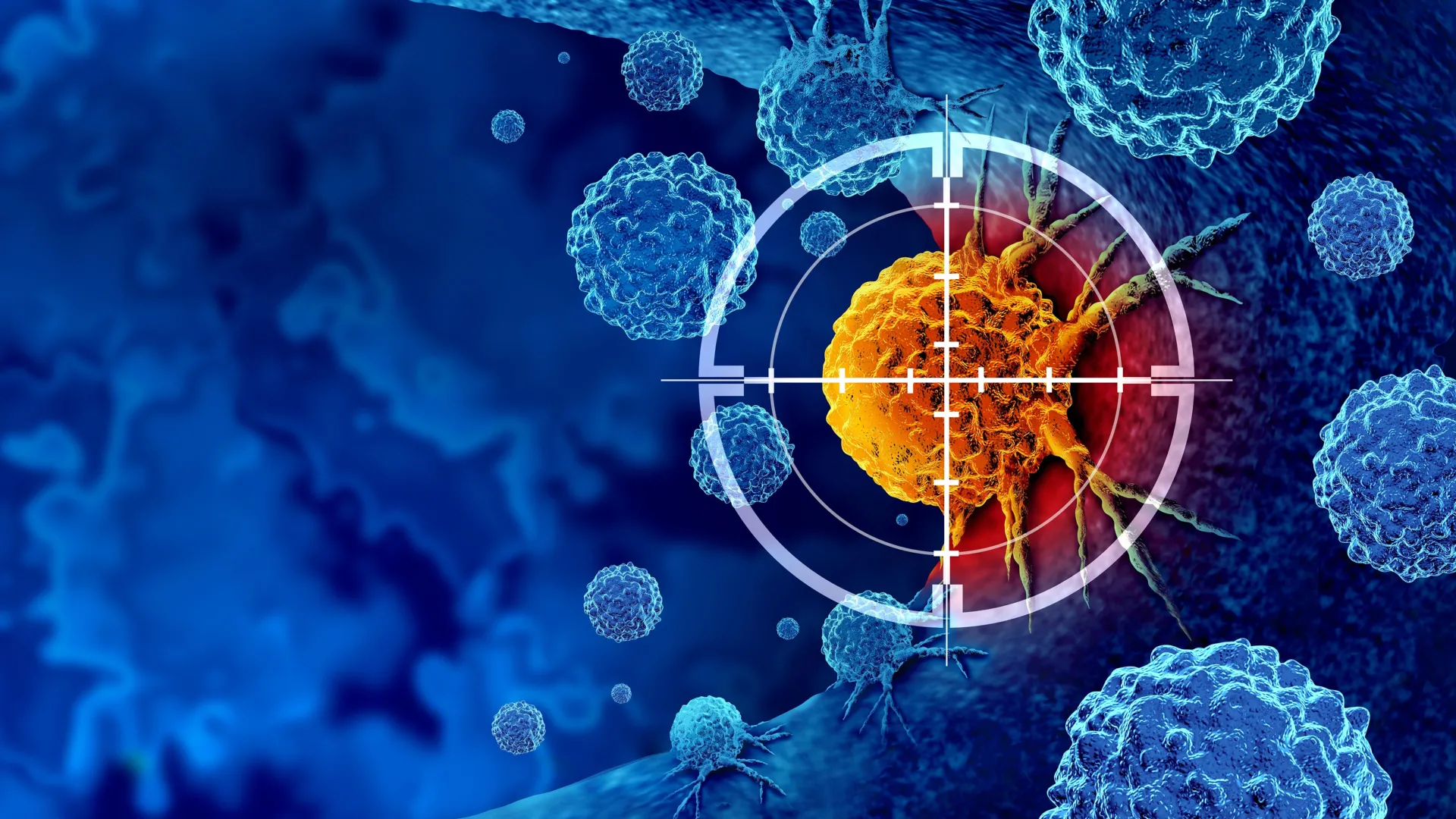
Researchers are making significant strides in cancer immunotherapy with a novel approach that reprograms immune cells within tumors to fight cancer directly. This new strategy, developed by a team at the Korea Advanced institute of Science and Technology (KAIST), overcomes key limitations of existing CAR-macrophage therapies, offering a potentially more effective and accessible treatment for solid tumors like gastric, lung, and liver cancers. Published in ACS Nano, the research details a method for converting tumor-associated macrophages into potent cancer killers.
The Challenge of treating Solid Tumors
Solid tumors present a formidable challenge to cancer treatment. Their dense structure hinders the infiltration of immune cells, limiting the effectiveness of many immunotherapies. Unlike liquid cancers, where immune cells can readily circulate and attack, solid tumors create a physical barrier and often suppress immune activity within their microenvironment. This immunosuppression is a major reason why many immunotherapies fail to deliver robust results against solid tumors.
CAR-Macrophage Therapy: A Next-Generation Approach
CAR-macrophage therapy has emerged as a promising next-generation immunotherapy. Macrophages are immune cells capable of directly engulfing and destroying cancer cells, a process called phagocytosis. They also play a crucial role in activating other immune cells, amplifying the overall anti-cancer response. CARs (Chimeric Antigen Receptors) are engineered receptors that allow macrophages to specifically recognize and bind to cancer cells.
Limitations of Traditional CAR-Macrophage Therapies
Traditional CAR-macrophage therapies involve extracting a patient’s immune cells,genetically modifying them in a laboratory to express CARs,and then re-infusing them back into the patient. This process is complex, expensive, and time-consuming, hindering its widespread clinical application. Furthermore,the ex vivo modification process can sometimes compromise the cells’ functionality.
KAIST’s Innovative In-Situ Reprogramming Strategy
The KAIST research team,led by Professor Ji-Ho Park and first author Jun-Hee Han,Ph.D., has developed a groundbreaking method to overcome these limitations. Their approach focuses on reprogramming tumor-associated macrophages (TAMs) directly within the tumor microenvironment. Instead of extracting and modifying cells externally, they utilize lipid nanoparticles to deliver mRNA encoding cancer-recognition data and an immune-boosting compound directly to the macrophages.
These lipid nanoparticles are readily absorbed by macrophages, prompting them to produce CAR proteins on their surface, effectively transforming them into cancer-targeting “CAR-macrophages.” Concurrently,the immune-boosting compound activates signaling pathways that enhance the macrophages’ anti-cancer activity.
Promising Results in Preclinical Studies
In preclinical studies using animal models of melanoma, the researchers demonstrated significant tumor growth reduction following treatment with their in situ reprogramming approach. Importantly, the therapy also elicited a systemic immune response, suggesting the potential for broader, body-wide protection against cancer. The “enhanced CAR-macrophages” exhibited stronger cancer-killing activity and stimulated surrounding immune cells,leading to a powerful anti-cancer effect.
Key Takeaways
- In-Situ Reprogramming: The therapy reprograms macrophages directly within the tumor, eliminating the need for cell extraction
More on this