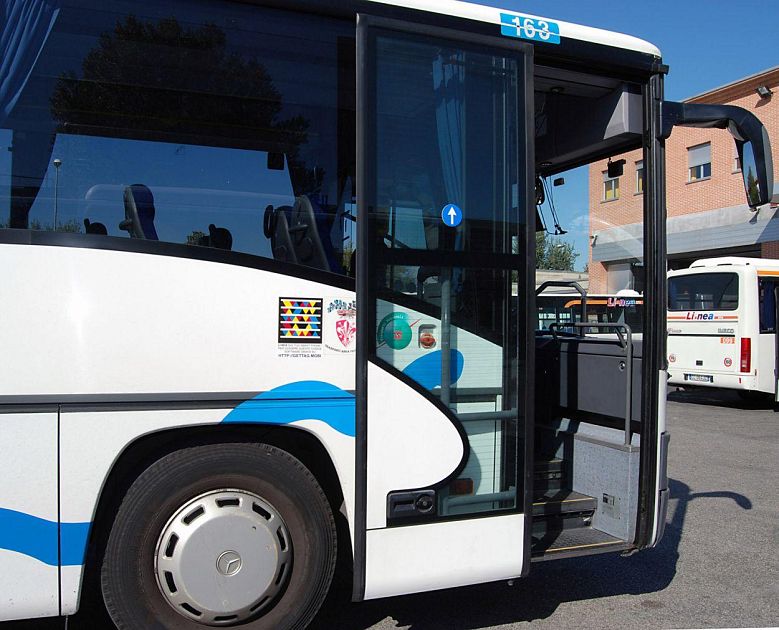
Political tension has intensified across Tuscany following recent proposals to adjust regional public transport pricing, with critics labeling the move a potential sign of corporate dependency on foreign infrastructure operators. The debate centers on the cost of transit tickets and the broader management of the regional network, which is currently operated under a long-term contract by Autolinee Toscane, a subsidiary of the French RATP Group. Local officials and opposition leaders are now questioning the transparency of these pricing decisions and the influence of the private monopoly on public mobility policy.
The controversy gained momentum as regional stakeholders began examining the impact of ticket pricing on commuters. According to data from the Tuscany Regional Government, the transition to the current unified management model was intended to streamline services across the territory. However, the application of standardized fare structures has sparked friction between municipal authorities and the regional administration, leading to formal inquiries regarding the contractual obligations of the operator.
The Evolution of the Tuscan Transport Contract
In 2021, the Tuscany Region finalized a massive contract for the management of local public transport, awarding the service to Autolinee Toscane. The contract, valued at approximately 4 billion euros over an 11-year period, represented a significant shift from the previous fragmented system of multiple local operators. Official records from the Tuscan Regional Transport Authority indicate that the primary goal was to modernize the bus fleet and improve regional connectivity by creating a single, cohesive network.

Despite these goals, the implementation phase has been marked by persistent political scrutiny. Critics argue that the centralized nature of the contract limits the ability of local municipalities to influence ticket prices or service frequency. The specific mention of a 2-euro price point has become a flashpoint for debate, as it represents a tangible increase for many daily commuters who previously benefited from lower, localized fare tiers. The opposition has characterized this as a loss of regional autonomy, suggesting that the operator, backed by foreign capital, holds undue leverage over public policy.
Economic Pressures and Political Accountability
The debate over transport costs is set against the backdrop of rising inflation and the economic strain on Italian households. Regional government representatives have maintained that fare adjustments are necessary to ensure the financial sustainability of the network and to fund the mandated fleet renewals. Under the terms of the agreement, the operator is required to invest heavily in low-emission vehicles, a move that the regional government cites as essential for meeting European environmental standards, as detailed in the Regional Mobility Plan.
However, the narrative of “sudditanza” (subservience) toward the French-owned operator has resonated with segments of the public and local media. Skeptics point to the lack of competitive pressure within the current monopoly structure as a reason for the rising costs. During recent regional council sessions, opposition members have demanded a full audit of the contract to determine if the operator is meeting its performance benchmarks or if the burden of cost is being unfairly shifted onto the end user.
What Happens Next for Commuters
The immediate future of Tuscan transport policy remains tied to upcoming budget reviews and potential renegotiations of service levels. The regional government is scheduled to hold a series of public hearings to discuss the sustainability of the current fare structure. These sessions are intended to provide a forum for municipal leaders to express concerns regarding the affordability of transit for low-income residents and students.
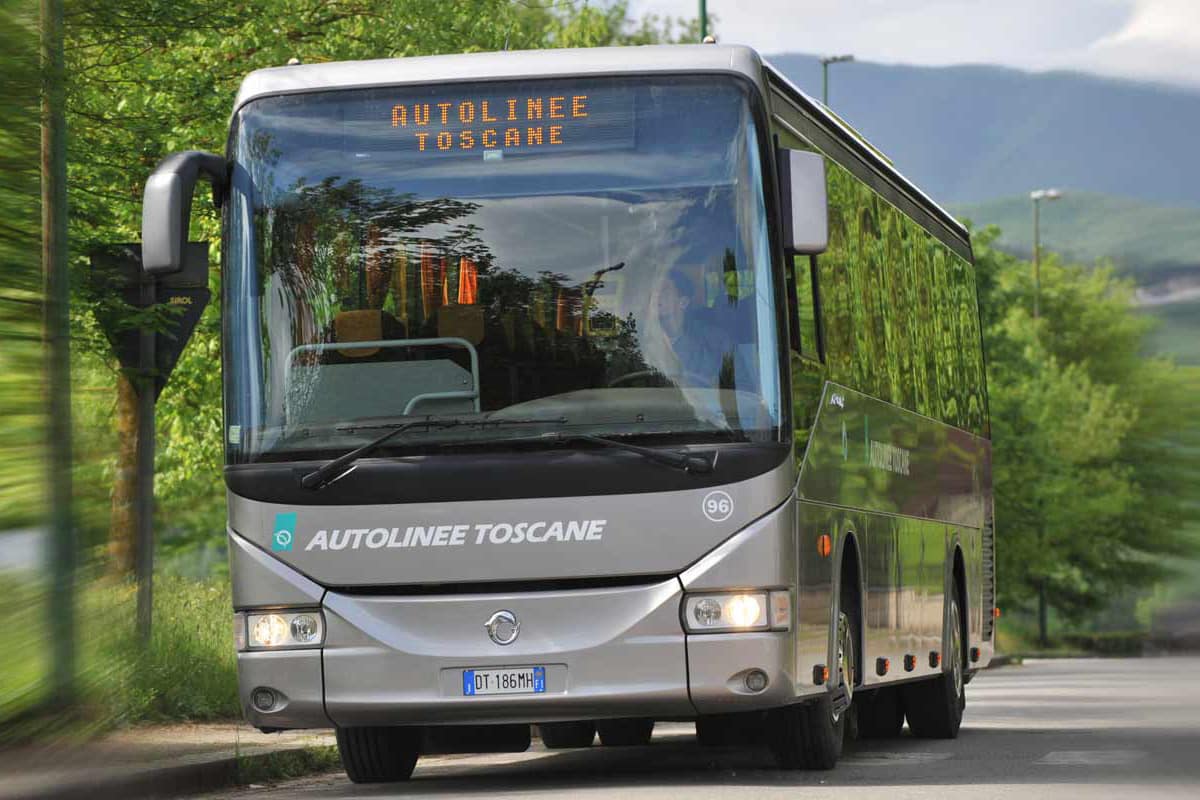
For commuters, the situation remains fluid. While no official date has been set for a widespread fare hike to a flat 2-euro rate across all urban sectors, the ongoing political pressure suggests that transport policy will remain a key issue in upcoming regional elections. Residents are encouraged to monitor the official Autolinee Toscane website and the regional government’s transport portal for updates on service changes or potential fare adjustments. As the situation evolves, public discourse continues to center on the balance between modernizing infrastructure and maintaining affordable access to essential public services.
We invite our readers to share their experiences regarding regional transport services in the comments section below. Your input helps us track the real-world impact of these policies on our communities.
Worth a look