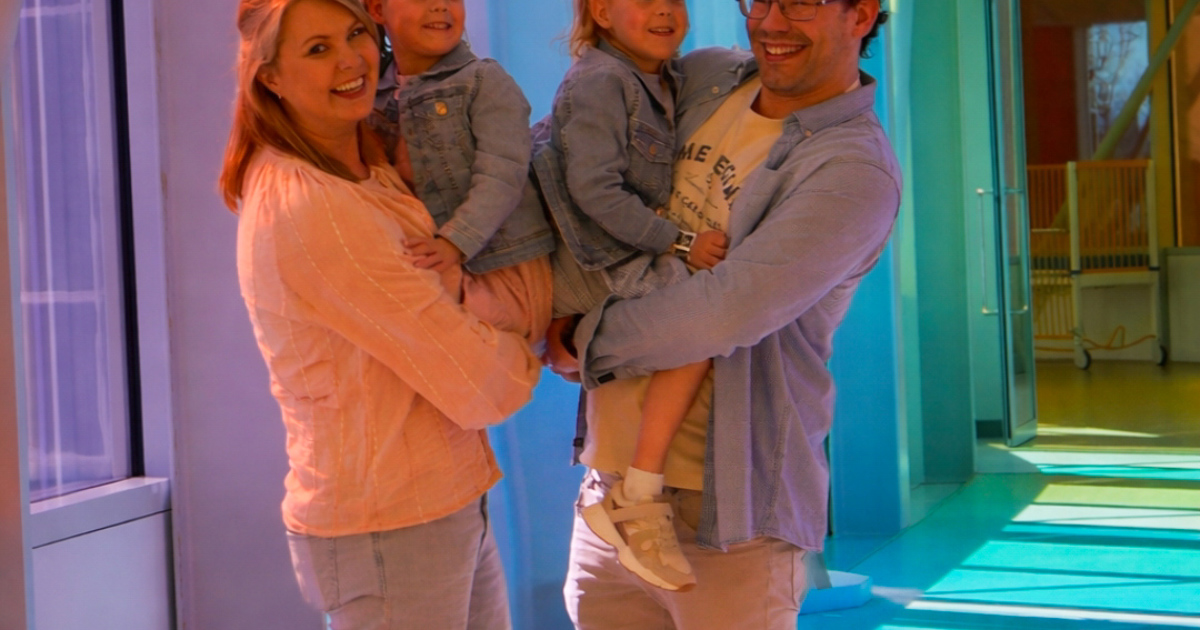
Dutch Twin Girls Diagnosed with Same Rare Condition at Age One
In a deeply personal account shared with the Prinses Máxima Centrum for pediatric oncology in the Netherlands, a Dutch family revealed that their twin daughters were both diagnosed with Langerhans cell histiocytosis (LCH) at the age of one. The diagnosis, described as exceptionally rare, has drawn attention to this uncommon group of disorders that can affect multiple organ systems in young children. While the family’s identity remains private, their story highlights the emotional and medical challenges faced by families confronting rare pediatric conditions.
Langerhans cell histiocytosis is not a single disease but a spectrum of disorders characterized by the abnormal accumulation of Langerhans cells — a type of immune cell — in various tissues. According to the Histiocytosis Association, LCH occurs in approximately 5 to 8 children per million each year, making it one of the rarer conditions encountered in pediatric oncology. The disease can present with skin rashes, bone lesions, lung involvement, or diabetes insipidus and its behavior varies widely from spontaneous resolution to chronic, multi-system involvement requiring prolonged treatment.
The Prinses Máxima Centrum in Utrecht, the Netherlands’ largest pediatric cancer center and a national reference point for complex childhood illnesses, confirmed that it treats a small number of LCH cases annually. While the center does not publish real-time case volumes due to patient privacy, its clinical protocols for histiocytic disorders are aligned with international guidelines from the Histiocyte Society. Treatment approaches depend on the extent and location of disease and may include corticosteroids, targeted therapies like vinblastine, or, in refractory cases, investigational agents such as BRAF or MEK inhibitors for tumors harboring specific mutations like BRAF V600E.
Understanding Langerhans Cell Histiocytosis in Children
LCH is classified under the broader category of histiocytic disorders, which involve dysregulation of mononuclear phagocytes. Unlike malignant cancers, LCH cells are not considered truly neoplastic in all cases, though some high-risk forms exhibit clonal genetic alterations. The BRAF V600E mutation, present in roughly half of multisystem LCH cases, has become a key biomarker guiding both prognosis and therapeutic decisions. Children with single-system disease — such as isolated bone or skin involvement — often have excellent outcomes with minimal therapy, while those with multisystem or risk-organ involvement (liver, spleen, lung, or bone marrow) require more intensive management.
Diagnosis typically involves a combination of clinical evaluation, imaging, and tissue biopsy, with immunohistochemical staining for CD1a and langerin (CD207) confirming the presence of Langerhans cells. Genetic testing of biopsy samples is increasingly standard to identify actionable mutations. According to a 2022 review in The Lancet Oncology, survival rates for children with LCH have improved significantly over the past two decades, with over 90% of low-risk patients achieving disease-free survival. However, long-term follow-up remains essential due to risks of neurodegenerative complications, endocrine dysfunction, or disease reactivation years after apparent recovery.
For families, the emotional toll of a rare diagnosis can be profound. Parents often describe feelings of isolation, uncertainty, and frustration navigating a condition unfamiliar even to many healthcare providers. Support networks, including patient advocacy groups like HistioUK and the Histiocytosis Association, play a vital role in connecting families, sharing experiences, and advocating for research into better treatments.
Care and Support at the Prinses Máxima Centrum
The Prinses Máxima Centrum, named in honor of Princess Máxima of the Netherlands, integrates clinical care, research, and education under one roof. It serves as the national hub for pediatric oncology and hematology, treating children from across the Netherlands and accepting referrals for complex cases from neighboring countries. The center emphasizes family-centered care, offering psychosocial support, educational services, and long-term follow-up programs tailored to survivors of childhood illnesses.
While specific details about the twins’ treatment course have not been disclosed — in line with Dutch medical privacy laws and the family’s wish for anonymity — the center confirmed that it provides multidisciplinary care for histiocytic disorders involving pediatric oncologists, dermatologists, endocrinologists, neurologists, and rehabilitation specialists. Treatment plans are individualized, with regular reassessment to monitor response and adjust therapy as needed.
The center also contributes to international research efforts, including participation in the Histiocyte Society’s global registries and clinical trials aimed at refining risk stratification and testing novel therapies. Recent advances in molecular profiling have enabled more precise classification of LCH subtypes, paving the way for personalized treatment strategies.
Rare Diseases and the Importance of Early Recognition
Stories like that of the twin girls underscore the importance of recognizing uncommon presentations in early childhood. Persistent symptoms such as unexplained fever, fatigue, bone pain, skin lesions, or excessive thirst and urination (which may signal diabetes insipidus) warrant prompt medical evaluation. Although LCH is rare, early diagnosis can prevent complications and allow timely initiation of appropriate care.
Pediatricians and frontline healthcare providers play a critical role in suspecting and referring cases to specialized centers. Increased awareness, combined with access to diagnostic tools like immunohistochemistry and genetic testing, improves the likelihood of accurate and timely diagnosis. Parents are encouraged to trust their instincts and seek second opinions when symptoms persist without clear explanation.
Ongoing research continues to explore the origins of LCH, including whether it arises from a reactive process or a clonal neoplastic event. Studies investigating the microenvironment of LCH lesions and the role of cytokine signaling may unlock new therapeutic targets. Meanwhile, registries tracking long-term outcomes help clinicians better counsel families about potential late effects and quality of life.
As medical science advances, the hope is that rare conditions like LCH will become not only more recognizable but also more treatable — with fewer long-term consequences for the children affected. For now, families navigating such diagnoses rely on the expertise of specialized centers, the support of patient communities, and the resilience that comes from facing uncertainty together.
For updates on histiocytic disorders and pediatric oncology developments, readers are encouraged to consult official resources from the Histiocyte Society, the Prinses Máxima Centrum, and peer-reviewed journals such as Pediatric Blood & Cancer and Journal of Clinical Oncology.
We welcome thoughtful comments and encourage readers to share this article to help raise awareness about rare pediatric conditions.
Worth a look
- Specialist Doctor Salary: Average Monthly Gross Earnings & Pay Scales
- 3D Genome Mapping Links Crohn’s Disease Genes to Rare Immune Cells
- 3D DNA mapping in rare immune cells reveals new genes linked with autoimmune disease risk (archyde.com)
- Fire Emblem Fortune’s Weave: Story Leaks, Gameplay Details, and Switch 2 Release Date (world-today-news.com)