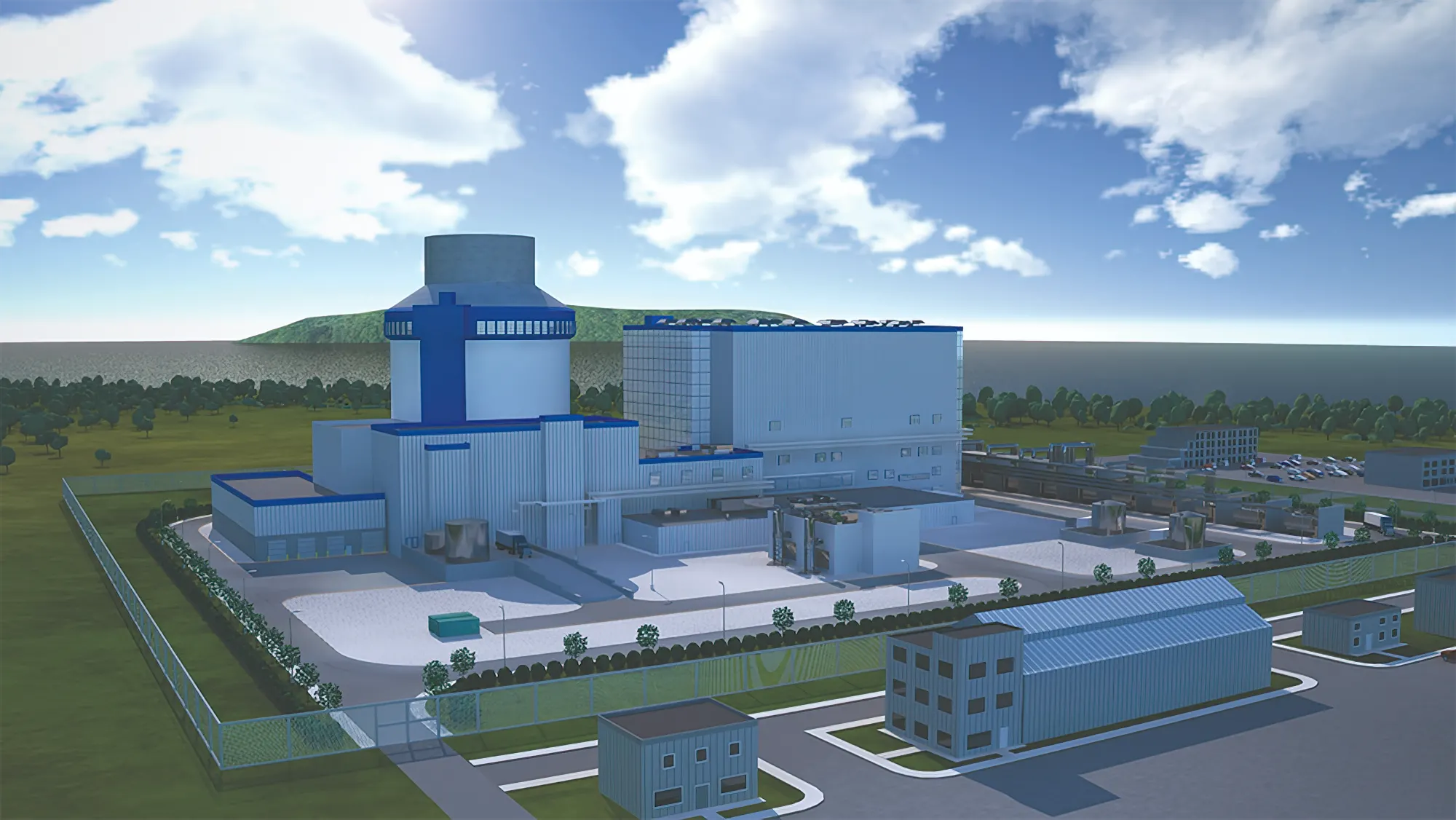
The Czech nuclear delegation’s visit to South Korea in April 2024 marked a significant milestone in the bilateral cooperation on the Dukovany nuclear power plant project, underscoring Korea’s growing role in Europe’s energy security landscape. The delegation, comprising approximately 40 senior officials from Czech energy firm EDU II and the Ministry of Industry and Trade, arrived in South Korea on April 20 for a five-day itinerary focused on verifying project progress and strengthening technical collaboration.
This visit followed the signing of the final contract for the Dukovany project in June 2023, when Korea Hydro & Nuclear Power (KHNP) secured the agreement to build two APR1000 reactors at the Dukovany site in the Czech Republic. The APR1000 is a 1,000-megawatt pressurized water reactor developed by South Korean engineers, designed to meet stringent European safety and operational standards while providing stable baseload power for large urban areas.
On the first day of the visit, April 20, the delegation participated in a joint review meeting held at BEXCO in Busan, where Korean and Czech officials discussed implementation status since the contract signing and confirmed key project milestones. The meeting included plenary sessions and high-level discussions, with Petr Zavodsky, president of EDU II, and Tomáš Ehler, director of the Nuclear Energy Division at the Czech Ministry of Industry and Trade, leading the Czech side.
The following day, April 21, the delegation visited the Saeul Nuclear Power Plant in Ulsan to observe operational reactors and ongoing construction activities. This site visit aimed to demonstrate Korea’s proven capabilities in nuclear plant operations and project execution, providing Czech officials with firsthand insight into the technical and managerial expertise that underpins the APR1000 design.
On April 22, the Czech delegation attended the Korean Nuclear Society’s Annual Conference (KAP) in Busan, where Petr Zavodsky presented on the current status of new nuclear construction in the Czech Republic, and Tomáš Ehler delivered a keynote speech and participated in panel discussions emphasizing the strategic importance of Korea-Czech cooperation in advancing nuclear energy as a pillar of European energy independence.
The visit continued on April 23 with a tour of Doosan Enerbility’s facility in Changwon, where Czech officials examined the manufacturing processes for critical nuclear components such as reactor pressure vessels and steam generators. This stop highlighted the industrial capacity and supply chain readiness supporting the APR1000’s deployment in Europe.
The final day, April 24, included a visit to KHNP’s headquarters in Daejeon, where both sides discussed future cooperation frameworks and shared perspectives on advancing the Dukovany project toward construction commencement.
Throughout the visit, officials emphasized that the Dukovany project represents more than a commercial contract—We see a strategic partnership contributing to Europe’s efforts to reduce reliance on fossil fuels and enhance energy resilience amid geopolitical uncertainties. Nuclear energy is increasingly viewed as essential for meeting climate goals while satisfying rising electricity demands from data centers and industrial sectors across the continent.
The APR1000 reactor, which forms the technological foundation of the Dukovany project, incorporates lessons learned from Korea’s domestic nuclear fleet and features advanced safety systems, including passive cooling mechanisms and enhanced containment designs. Its deployment in the Czech Republic would mark the first export of a Korean-designed nuclear power plant to Europe, potentially setting a precedent for future collaborations.
As of the delegation’s visit in April 2024, site preparation and regulatory approvals were progressing according to the agreed timeline, with construction expected to begin in the coming years following final licensing procedures in the Czech Republic. Both Korean and Czech officials reiterated their commitment to transparency, safety, and timely execution as the project moves into its next phase.
For ongoing updates on the Dukovany nuclear project and Korea-Czech energy cooperation, readers can refer to official statements from Korea Hydro & Nuclear Power and the Czech Ministry of Industry and Trade, which regularly publish progress reports and technical briefings on their respective websites.
We invite our readers to share their perspectives on the role of nuclear energy in Europe’s energy transition and the implications of international partnerships like the Korea-Czech Dukovany project. Your insights support foster informed dialogue on one of the most critical challenges facing global energy systems today.
Worth a look
- US Congress Rejects Trump’s $275 Billion “Golden Fleet” Proposal Over Yard Strain and Costs
- US-Canada Trade: Will a Deal Stop 50% Tariffs?
- Nigeria Approves $4.5 Billion NNPC Oil Loan Refinancing via Project Gazelle 2 (archynewsy.com)
- Organizing Expert Kenika Williams Reveals Common Clutter Magnets in Your Home (world-today-news.com)