
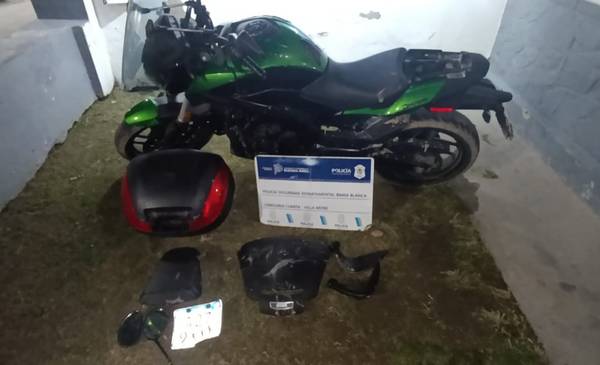
Authorities have conducted a targeted law enforcement raid resulting in the apprehension of two minors suspected of involvement in a motorcycle theft ring. The operation, which focused on the recovery of stolen vehicles, underscores the ongoing efforts by regional security forces to dismantle organized theft networks that target high-demand transit assets.
While specific details regarding the exact location and the identities of the minors remain restricted due to legal protections afforded to juveniles, the raid successfully intercepted a segment of a larger criminal pattern involving the theft and potential dismantling of motorcycles. The incident has reignited discussions regarding the efficacy of local policing and the socio-economic drivers behind juvenile involvement in property crime.
This development comes at a time when regional law enforcement agencies are intensifying their focus on “desarmaderos”—illegal dismantling sites where stolen vehicles are stripped for parts. Such operations represent a significant challenge to local security, as the resale of components often funds further criminal activity, creating a self-sustaining cycle of theft and organized crime.
Details of the Law Enforcement Operation
The raid was executed following intelligence gathered regarding the movement and storage of stolen motorcycles within the region. According to reports from local law enforcement, the operation was designed not only to apprehend suspects but to secure physical evidence, including several motorcycles that had been reported missing in recent months.
The apprehension of two minors during the raid suggests a growing trend of younger individuals being recruited into the logistics of vehicle theft. Law enforcement officials have noted that minors are often utilized in the “scouting” or “storage” phases of theft operations, as their involvement can sometimes complicate the legal proceedings and investigative processes due to specific juvenile justice protocols.
During the search of the premises, authorities recovered several units that matched descriptions of vehicles reported stolen in recent criminal filings. The investigation is currently transitioning from the tactical phase of the raid to a forensic phase, as police work to trace the origins of the recovered parts and determine if the apprehended minors were part of a broader, more sophisticated criminal enterprise.
The Economic Impact: Theft and the Gig Economy
From a business and economic perspective, the rise in motorcycle theft is more than a matter of individual property loss; it represents a systemic threat to the burgeoning “gig economy” in Argentina. In many urban centers, motorcycles serve as the primary tool for the delivery workforce, supporting platforms that facilitate everything from food delivery to e-commerce logistics.
For many independent contractors, a motorcycle is not merely a vehicle but a critical capital asset. The loss of such an asset can lead to an immediate cessation of income, creating a ripple effect of economic instability for workers who operate on thin margins. When theft rings operate with high efficiency, they disrupt the reliability of local delivery networks, potentially increasing operational costs for businesses that rely on these services.
the existence of illegal dismantling markets creates an unregulated shadow economy. By stripping stolen motorcycles for parts, these rings bypass the formal automotive supply chain, undercutting legitimate businesses and reducing tax revenues. This “black market” for parts complicates the ability of the state to regulate the automotive sector effectively and undermines the formal economic structure.
Juvenile Crime and the Legal Framework
The involvement of minors in these criminal activities brings the complexities of the Argentine juvenile justice system into sharp focus. In Argentina, the legal treatment of minors is governed by the Ley de Protección Integral de los Derechos de las Niñas, Niños y Adolescentes (Law 26.061), which emphasizes rehabilitation and the protection of rights, even in cases of criminal involvement.
Legal experts note that when minors are apprehended in connection with organized theft, the judicial system must balance the necessity of accountability with the mandate for social reintegration. This often involves specialized courts and social services tasked with addressing the underlying causes of the delinquency, such as lack of educational access or exposure to organized crime environments.
The challenge for law enforcement and the judiciary lies in breaking the recruitment cycle. If criminal organizations continue to find success in utilizing minors as a low-risk labor force, the cycle of theft is likely to persist. Addressing this requires a multi-disciplinary approach that combines rigorous policing with robust social interventions aimed at the youth in high-risk areas.
Regional Security Trends and Law Enforcement Response
The recent raid is part of a broader strategic shift in regional policing. Law enforcement agencies are increasingly moving away from reactive patrolling toward intelligence-led operations. By focusing on the “end-point” of the crime—the dismantling sites and the resale of parts—authorities aim to strike at the economic heart of the theft rings.

Recent trends in regional crime statistics indicate that motor vehicle theft remains a high-priority area for security forces. The ease of transport and the high liquidity of motorcycle parts make them a preferred target for organized groups. In response, many jurisdictions are implementing enhanced registration requirements and digital tracking technologies to make the resale of stolen components more difficult.
Security analysts suggest that until the demand for stolen parts is suppressed through more stringent regulation of the used-parts market, the supply of stolen motorcycles will likely remain high. The success of future raids will depend heavily on the ability of police to penetrate the layers of middle-men who facilitate the movement of stolen goods from the initial theft to the final consumer.
Key Takeaways: Motorcycle Theft and Organized Crime
- Targeted Assets: Motorcycles are high-value targets due to their ease of theft and high demand in the delivery sector.
- Organized Networks: Theft is often linked to “desarmaderos” (dismantling sites) that fuel a shadow economy.
- Juvenile Involvement: Minors are increasingly being utilized in criminal logistics, presenting unique legal challenges.
- Economic Disruption: Theft impacts the livelihoods of gig economy workers and disrupts local commerce.
- Strategic Shift: Law enforcement is transitioning toward intelligence-led raids on dismantling hubs.
Frequently Asked Questions
How does motorcycle theft affect local businesses?
Beyond the direct loss of property, theft disrupts the logistics and delivery services that many businesses rely on. It also creates an unregulated market for parts that can undercut legitimate automotive retailers.

What happens to minors apprehended in criminal investigations?
Under Argentine law (Law 26.061), minors are subject to a specific juvenile justice framework that prioritizes rehabilitation and social protection over traditional punitive measures used for adults.
Why are motorcycles targeted more frequently than cars?
Motorcycles are generally easier to steal, quicker to transport, and their components are highly sought after in the illegal dismantling market due to their high turnover rate.
The investigation into the recovered motorcycles and the potential involvement of a larger criminal network remains ongoing. The next significant development will be the formal presentation of evidence before the juvenile court to determine the legal proceedings for the apprehended individuals.
Stay updated on regional security and economic trends. We invite you to share your thoughts on local security measures in the comments below.