
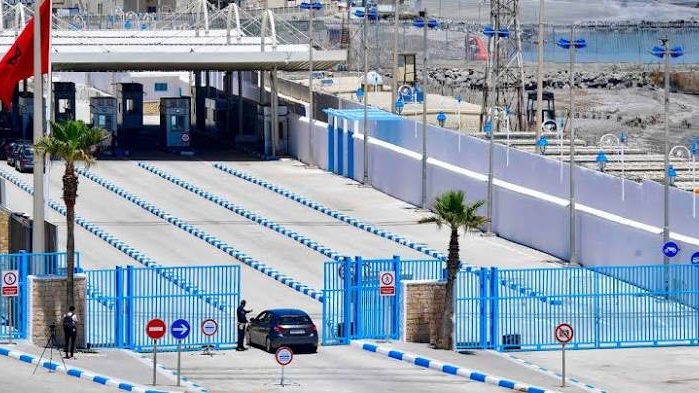
Moroccan security and customs authorities at the Bab Sebta border crossing near Fnideq successfully intercepted two separate attempts to smuggle contraband into the territory, according to official reports from regional security services. These operations, conducted as part of ongoing efforts to secure the border zone, resulted in the seizure of illicit goods and the detention of individuals involved in the trafficking attempts.
The Bab Sebta crossing, which serves as the primary land connection between Morocco and the Spanish autonomous city of Ceuta, remains a focal point for Moroccan border control operations. Authorities maintain rigorous inspection protocols to combat cross-border criminal activity, including the trafficking of prohibited items and unauthorized goods. The recent interceptions underscore the persistent challenges faced by law enforcement in managing high-traffic transit points while adhering to national security mandates regarding territorial integrity and border regulation, as outlined by the Moroccan Administration of Customs and Indirect Taxes.
Operational Details at the Border
Security personnel stationed at the Bab Sebta facility identified the illicit cargo during routine vehicle and pedestrian screenings. According to reports from local authorities, the items involved in the two incidents were concealed within personal belongings and transport vehicles. While specific details regarding the exact nature of the goods were not fully disclosed in initial briefings, the seizures are consistent with standard procedures for handling contraband intercepted at the Fnideq-Sebta transit corridor.

The Moroccan authorities have intensified monitoring at the border in recent months to mitigate risks associated with organized smuggling networks. These operations are coordinated through a multi-agency approach involving the Royal Gendarmerie, the National Police (DGSN), and customs agents. Such measures are part of a broader national strategy to regulate the flow of goods and individuals at the northern frontiers, a policy reinforced by the General Directorate of National Security (DGSN) to ensure the safety and economic stability of the border region.
The Impact on Regional Transit
The Bab Sebta crossing is a vital economic artery, but it is frequently monitored due to the volume of transit and the historical prevalence of informal trade. For residents of Fnideq and the surrounding areas, the tightening of border controls has significantly altered the local economy, which previously relied heavily on cross-border commercial movement. The current regulatory framework aims to transition the region toward more formalized and legal commercial practices, reducing the reliance on the informal economy that historically characterized the border zone.
The continued interception of contraband serves as a signal that Moroccan authorities remain committed to enforcing strict compliance with customs laws. For travelers and logistics operators, these incidents highlight the necessity of strict adherence to declaration requirements. Any attempt to circumvent these regulations is met with immediate legal action, which can include the confiscation of property, heavy fines, and potential criminal proceedings under the Moroccan Penal Code.
Next Steps for Enforcement
The individuals apprehended during these operations are currently undergoing legal processing as part of the standard judicial response to smuggling charges in Morocco. Following the initial detention, the suspects are expected to face questioning by the public prosecutor’s office, which will determine the formal charges based on the quantity and nature of the seized goods. The judicial process will proceed in accordance with the Moroccan Ministry of Justice guidelines for dealing with customs-related offenses and border security violations.
Future updates regarding the outcome of these cases will be provided by the local court of first instance in Tetouan, which maintains jurisdiction over the Fnideq border region. Authorities have not announced any changes to the current operational hours or screening procedures at Bab Sebta, which remain open for authorized transit. Residents and travelers are encouraged to monitor official government announcements regarding border travel requirements and customs regulations to avoid potential delays or legal complications.
We welcome your thoughts on these developments in the comments section below. For ongoing coverage of border security and regional affairs, please continue to follow our reporting at World Today Journal.