typhoon Bualoi’s Devastating Path: Impacts Across Vietnam, teh Philippines, and Laos
Updated september 29, 2025
Typhoon bualoi has left a trail of destruction across Southeast Asia, claiming dozens of lives and causing widespread damage in the Philippines, Vietnam, and now, Laos. The storm, characterized by intense winds and torrential rainfall, underscores the increasing vulnerability of the region to extreme weather events – a trend directly linked to the escalating impacts of climate change. This report details the unfolding crisis, providing a extensive overview of the typhoon’s impact, ongoing relief efforts, and the broader context of escalating disaster risk in the region.
Philippines: A Doubling of Tragedy
Bualoi initially made it’s presence felt in the central Philippines last week, unleashing its fury upon vulnerable island communities. The typhoon toppled trees, downed power lines, and triggered significant flooding, forcing the evacuation of approximately 400,000 residents. As of Monday, the official death toll in the Philippines has tragically risen to 24, a stark increase from initial reports. The majority of fatalities were attributed to drowning and injuries sustained from flying debris.
The Philippine civil defense authorities are working tirelessly to assess the full extent of the damage and provide assistance to affected populations. Though, access to some areas remains challenging due to damaged infrastructure and ongoing hazardous conditions. This disaster follows closely on the heels of Super Typhoon Ragasa, which claimed 14 lives in the northern Philippines, highlighting the relentless cycle of storms impacting the nation.
Vietnam: Widespread Destruction and Loss of Life
Bualoi made landfall in Vietnam late Sunday, packing sustained winds of 130 kph (80 mph). The storm’s impact was immediately felt across central and northern Vietnam, causing extensive damage to homes, businesses, and critical infrastructure. Vietnamese authorities report at least 11 confirmed deaths, with reports of widespread property damage.
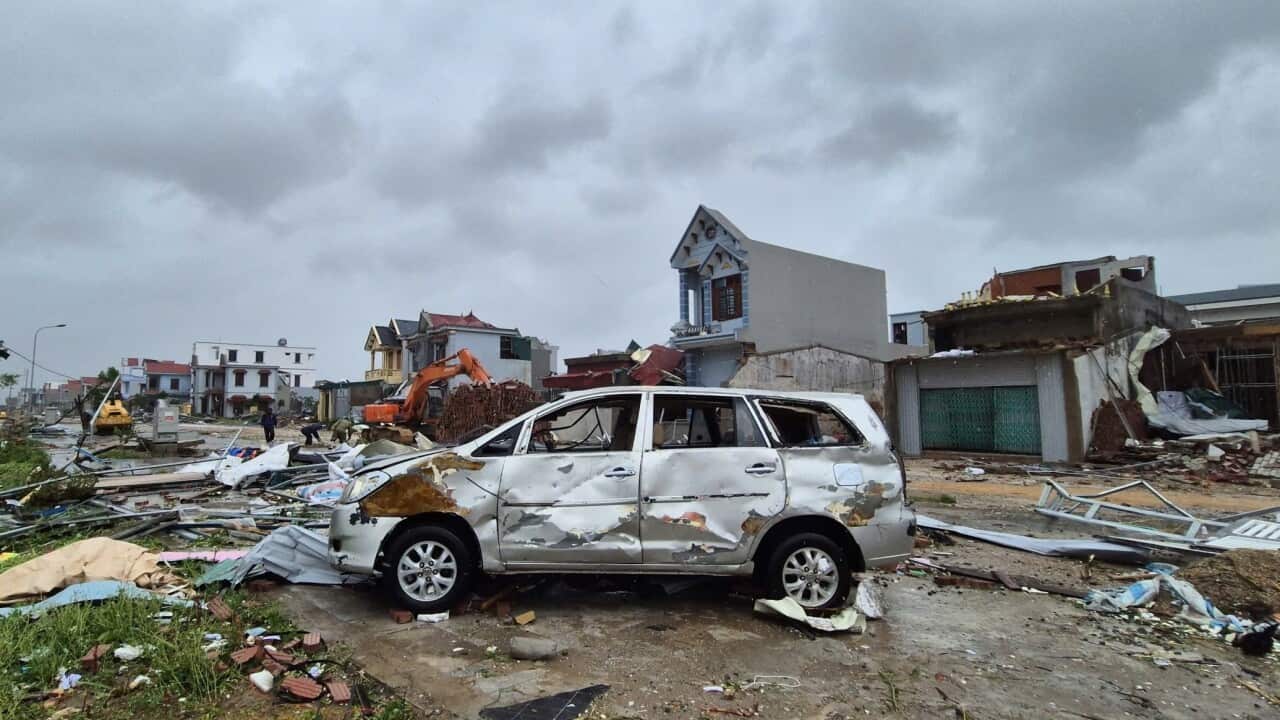
Images emerging from the coastal province of Nghe An depict scenes of devastation: corrugated metal roofs ripped from buildings,streets littered with debris,and communities grappling with the aftermath of the storm. ”The wind blew my roof to the sky and then it fell down, breaking everything.I had to cover my head and rushed to my neighbor’s house to be safe,” recounted Trinh Thi Le, 71, a resident of central Quang Tri province, in an interview with Tuoi Tre newspaper.
The situation was further compounded by a series of typhoon-related whirlwinds, one of which claimed nine lives in northern Ninh Binh province. Additional fatalities were reported in Hue and Thanh Hoa provinces, with approximately 20 individuals still missing, including those aboard fishing boats lost at sea during the storm’s peak.
Proactive evacuation measures saw over 53,000 people moved to temporary shelters in schools and medical facilities. However, the scale of the disaster has stretched resources thin. Four domestic airports were temporarily closed, and over 180 flights were cancelled or delayed, disrupting travel and hindering relief efforts. Power outages affected parts of Nghe An and Ha Tinh province, a key steel-producing region, and schools across affected areas remain closed.
laos: Storm Weakens, But Risks Remain
As of today, Typhoon Bualoi has weakened as it moved across the border into Laos. While the storm’s intensity has diminished, Laos remains vulnerable to heavy rainfall and potential flooding, especially in low-lying areas. Authorities are monitoring the situation closely and are prepared to respond to any emerging emergencies.
The Growing Threat of Intensified Storms
The devastation caused by Typhoon bualoi is not an isolated incident. Scientists overwhelmingly agree that climate change is fueling more frequent and intense storms globally. Warmer ocean temperatures provide the energy that drives these powerful weather systems, leading to increased rainfall, stronger winds, and more destructive storm surges.
The Philippines, routinely struck by an average of 20 typhoons annually, is particularly vulnerable. millions of people live in disaster-prone areas, ofen in conditions of poverty, exacerbating the impact of these events. Vietnam is also facing a growing threat,with natural disasters causing significant loss of life and economic damage. In the first eight months of 2025 alone, natural disasters in Vietnam resulted in 175 deaths or missing persons and approximately US$371 million in damages – nearly triple the amount recorded during the same period in 2024. The economic toll of Typhoon Yagi in September 2024, which caused US$3.3 billion in losses, serves as a stark reminder of the potential economic consequences of these events.
**Looking Ahead: Strengthening Resilience and Addressing Climate
Keep reading