
Model and television personality Tyra Banks has initiated legal proceedings against Netflix, following the platform’s release of content related to her long-running reality competition series, America’s Next Top Model. The dispute centers on allegations of defamation and unauthorized use of material, marking a significant conflict between the former host and the streaming giant regarding the legacy and portrayal of the show.
According to reports verified through legal industry monitoring, the core of the complaint involves how the streaming service utilized footage and narrative framing in recent documentary content. Banks, who served as the executive producer and lead judge for the majority of the show’s 24 cycles, contends that the production misrepresented her professional conduct and the nature of the show’s environment. This legal challenge underscores the growing tension between platforms producing retrospective “unscripted” documentaries and the subjects who participated in the original productions.
The Nature of the Legal Dispute
The legal action, filed in the relevant jurisdiction, alleges that Netflix’s presentation of the America’s Next Top Model documentary caused reputational harm to Banks. While the specific filings remain under seal in many respects, the complaint highlights claims of defamation—specifically, that the documentary edited footage and provided commentary that implied malicious intent behind the show’s high-pressure environment.
In the entertainment industry, defamation claims against documentary filmmakers often hinge on the concept of “false light” or the omission of context that would have otherwise clarified an individual’s actions. Banks’ legal team asserts that the narrative arc created by the documentary producers distorted her role as a mentor, framing industry-standard critiques as personal hostility. This situation reflects a broader trend where participants in reality television are increasingly seeking legal recourse against retrospective documentaries that re-examine the ethics of 2000s-era reality programming, as noted in industry analysis by The Hollywood Reporter regarding the evolving standards of fair use and journalistic integrity in streaming content.
Context of America’s Next Top Model
America’s Next Top Model, which first premiered in 2003, was a cultural phenomenon that defined a specific era of reality television. Throughout its run, the show faced criticism for its intense competition style, which often featured dramatic makeovers, high-stakes challenges, and rigorous critiques. Tyra Banks, as the public face of the franchise, became synonymous with the show’s demanding standards.

The retrospective interest in the show has grown as social media platforms have revisited clips from older seasons, leading to renewed public discourse about the treatment of contestants. Netflix, in its pursuit of high-engagement documentary content, produced material that sought to capitalize on this cultural re-evaluation. However, Banks’ decision to sue suggests a firm boundary regarding how her professional legacy is curated and presented to modern audiences. The streaming service has yet to issue a detailed public statement regarding the specific allegations, maintaining a policy of not commenting on pending litigation as is standard for major media corporations during active legal disputes.
What Happens Next in the Litigation
As the case proceeds, the court will likely focus on whether the documentary content meets the legal threshold for defamation. This involves determining if the statements made or the context provided by Netflix were factually false and if they were presented with a level of negligence or actual malice that damaged Banks’ professional standing. Because the show was a collaborative production involving multiple networks and production companies over nearly two decades, the discovery process—where both sides exchange evidence—could be extensive.
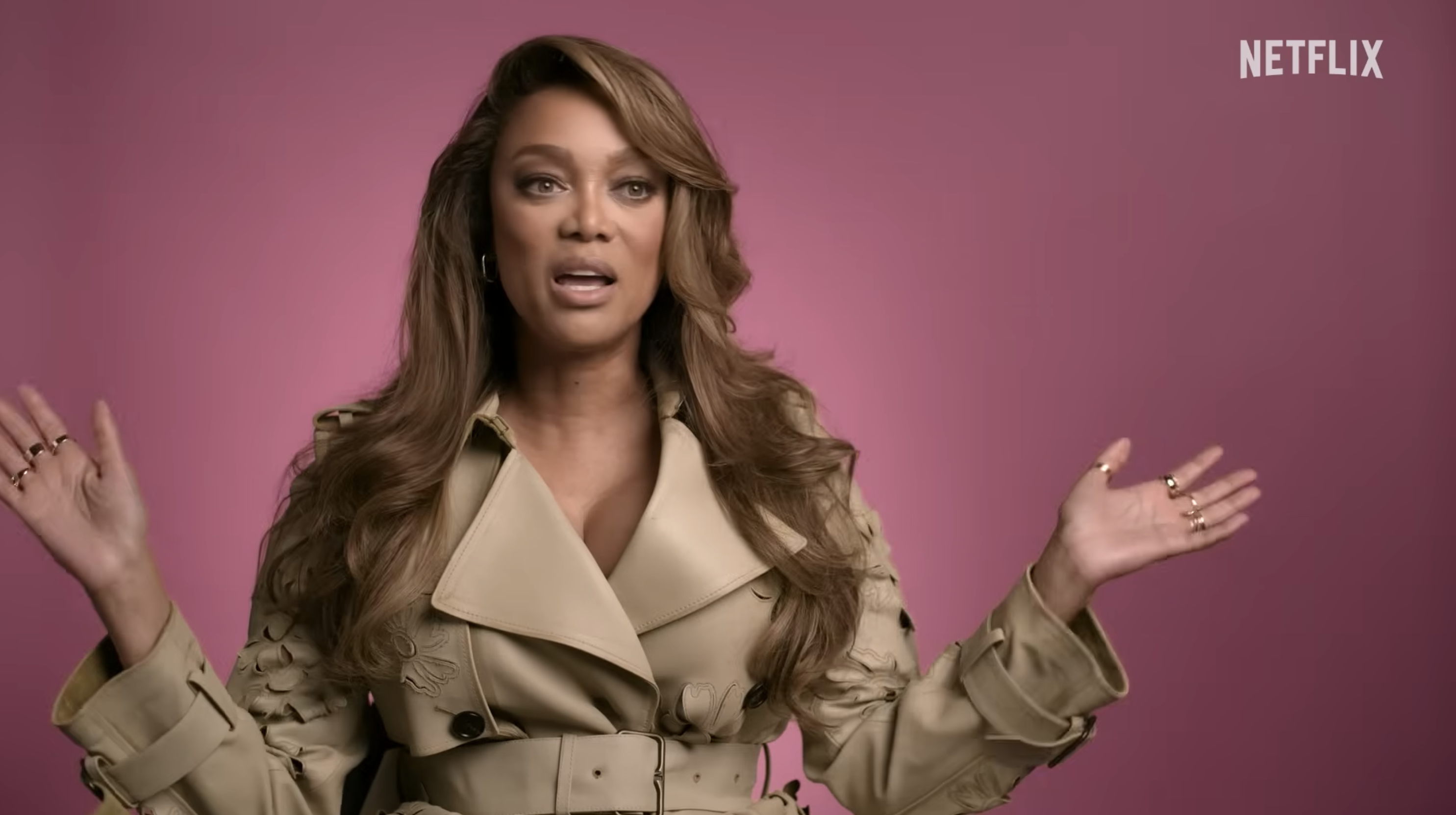
Legal observers expect the next phase of the case to involve motions to dismiss or attempts at mediation, which are common in high-profile entertainment lawsuits involving streaming platforms. For now, the case remains in the early stages of the judicial process. Interested parties and industry analysts are monitoring court dockets for updates on scheduling, including potential hearings for preliminary motions. Any official developments regarding the case will be documented through the relevant court’s public access portal, where filings are typically made available once processed by the clerk.
This is a developing story. If you have insights on the intersection of reality TV production and legal accountability, share your thoughts in the comments below or join the conversation on our social media platforms.
Worth a look