
Tyre, Lebanon — Israeli airstrikes have left Lebanon’s historic coastal city of Tyre in ruins, with its ancient Roman ruins, hospitals, and civilian infrastructure severely damaged as a fragile ceasefire with Hezbollah holds but remains fragile. The city, once a bustling tourist destination known for its 5,000-year history and Mediterranean beaches, now stands as a symbol of the escalating conflict between Israel and the Iranian-backed militant group.
According to the Lebanese Ministry of Health, over 4,000 Lebanese civilians have been killed in Israeli strikes since the latest Israel-Hezbollah war began in March, following Iran’s April 13 attack on Israel. The conflict has seen Israel’s deepest military incursion into southern Lebanon in decades, with large swaths of the region left in ruins. While a new ceasefire is in effect, previous agreements have repeatedly collapsed, leaving residents of Tyre living in constant uncertainty.
The city’s transformation from a vibrant summer destination to a war zone is stark. Restaurants that once served freshly caught seafood to tourists now sit empty, their parking lots filled with displaced families living in tents. Fishermen report they dare not venture far from port for fear of being targeted, while the once-busy port area remains eerily quiet. “Every day they tell us there’s a truce or ceasefire,” said Ali Bazzi, a 31-year-old resident living on a tour boat after his home in Toura was destroyed. “Where is this truce? We can’t see it.”
Ancient Ruins and Hospitals Under Attack
The destruction extends beyond modern infrastructure to Tyre’s UNESCO World Heritage-listed Roman ruins. Several buildings adjacent to the 2nd-century citadel were struck, with debris damaging ancient columns and the historic Roman road that has stood for millennia. “The city of Tyre is 5,000 years old, and what happened to it is huge,” said Adnan Istanbuli of the Lebanese Directorate General of Antiquities, who noted that officials are awaiting an inspection committee to assess the damage.
UNESCO’s World Heritage site listing for Tyre highlights its significance as one of the most important ancient cities in the Mediterranean. The damage to the site has drawn international concern, with cultural heritage organizations expressing alarm over the potential irreversible loss of irreplaceable artifacts.
Medical facilities have also borne the brunt of the conflict. Jabal Amel Hospital, one of Tyre’s largest medical centers, is repairing units damaged when an Israeli airstrike struck a building across the street. “We used to be scared, but we’re a lot more scared now,” said intensive care unit nurse Khadeeja Yousef, whose unit overlooks a parking lot now reduced to rubble. The hospital’s cardiology clinic, run by Dr. Mohammad Nassar, was also hit, destroying decades of medical literature the doctor had collected.
Environmental and Human Costs
Just south of Tyre, the shoreline in Mansouri—a critical wildlife preserve known for its sea turtle nesting grounds—has become inaccessible due to Israeli strikes. Mona Khalil, a prominent environmentalist who lived along the shore, died from injuries sustained when a strike hit her home. The damage to this fragile ecosystem threatens Lebanon’s already endangered sea turtle populations, with conservationists warning about the long-term ecological consequences.
The human toll extends beyond direct casualties. Displaced families from surrounding areas have flooded into Tyre, creating makeshift camps in parking lots and along the waterfront. Many, like Bazzi, have no choice but to live on boats or in temporary shelters, with no clear timeline for returning home. The United Nations has reported over 100,000 internally displaced persons in southern Lebanon alone, with Tyre serving as a primary refuge.
Ceasefire Uncertainty and Diplomatic Efforts
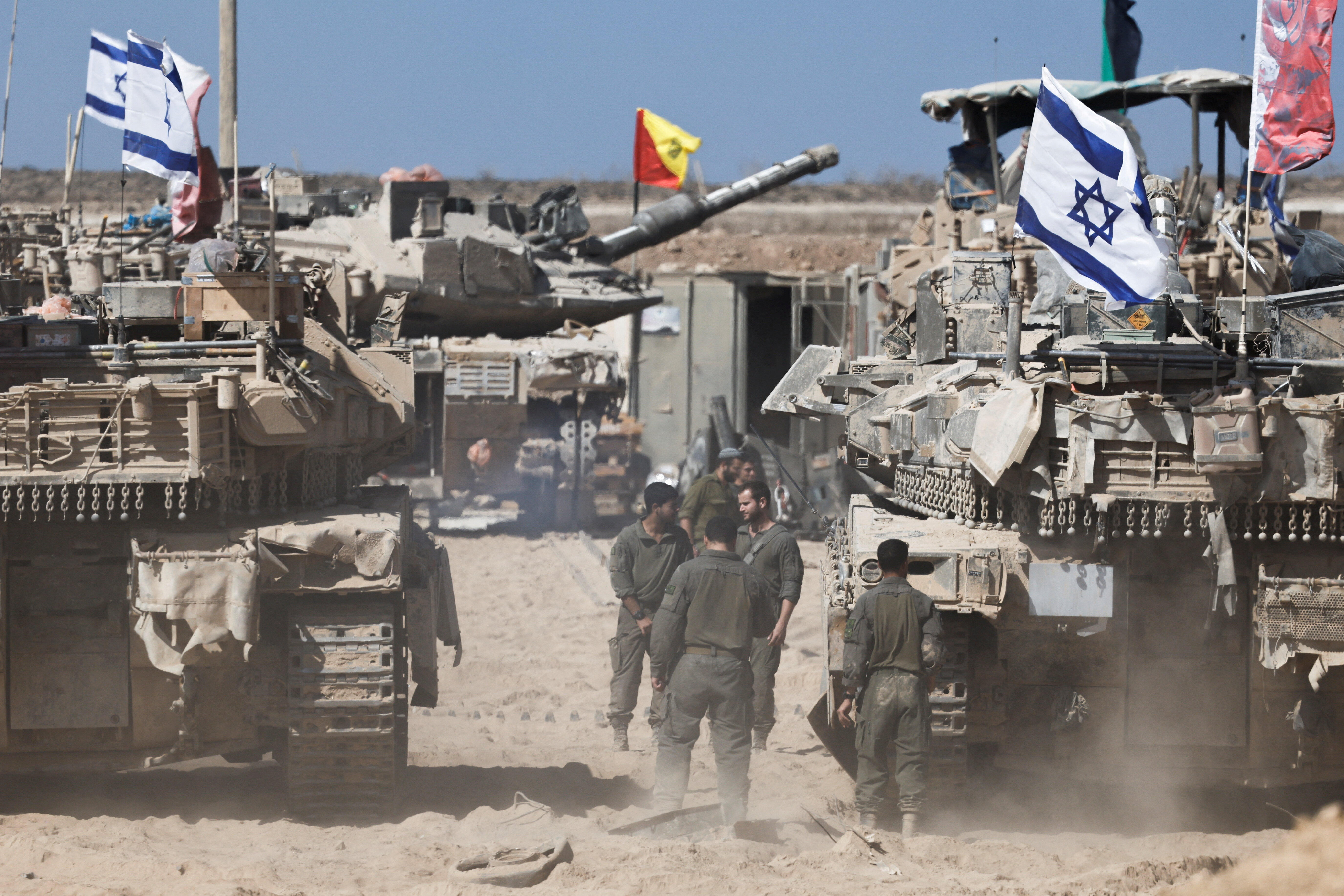
While a ceasefire is currently in effect, its longevity remains uncertain. Israel has warned that Hezbollah’s presence in southern Lebanon remains a key issue, with Israeli Defense Forces maintaining control of large areas near the UN-mandated Blue Line that separates the two countries. Smoke from distant artillery fire has been visible from Tyre’s shoreline in recent days, and an Israeli flag was reportedly seen on a hilltop near the city—a symbol of the deep military incursion that has changed the landscape.
Diplomatic efforts to end the conflict are ongoing, with the U.S. and Iran holding talks in Switzerland that Lebanese residents hope will bring stability. However, negotiations between Israel and Lebanon in Washington have excluded Hezbollah, which continues to resist disarmament efforts. The lack of a comprehensive political solution leaves residents of Tyre and other affected areas in limbo, with no clear path to recovery.
What Happens Next?
The immediate future for Tyre remains uncertain. While the ceasefire holds for now, the risk of renewed hostilities remains high, particularly as tensions between Israel and Iran continue to escalate. The Lebanese government has called for international intervention to protect its citizens and cultural heritage, but with no clear mechanism for enforcement, the city’s fate hangs in the balance.
For residents like Bazzi, the question of when—and if—they can return home remains unanswered. “We can’t rebuild if the bombs keep falling,” he said. “We need more than just a truce—we need an end to this war.”
As the conflict enters its fifth month, the world watches Tyre—a city that has stood for millennia—as its ancient stones and modern structures alike bear the scars of war. The damage to its heritage, its people, and its environment serves as a stark reminder of the human cost of prolonged conflict in the region.
Next Steps: The Lebanese government has requested an emergency session of the UN Security Council to address the humanitarian crisis in southern Lebanon. Meanwhile, cultural heritage organizations are preparing to assess the damage to Tyre’s UNESCO sites, though no official inspection has yet been scheduled.
We welcome your insights on this developing situation. Share your thoughts in the comments below or share this report to raise awareness about the crisis in Tyre.
- Anne Hathaway Addresses Fan Fears Over Dog’s Fate in ‘The End of Oak Street
- Ziraat Bank Emekli Promotion 2026: Updated Payment Tables and Advance Rates Revealed
- Prosecuting Asia-Pacific Crimes: Universal Jurisdiction & The Future Crimes Against Humanity Convention (archyworldys.com)
- Man Jailed 12 Months for Setting Childhood Friend on Fire and Attacking Girlfriend (archynewsy.com)