
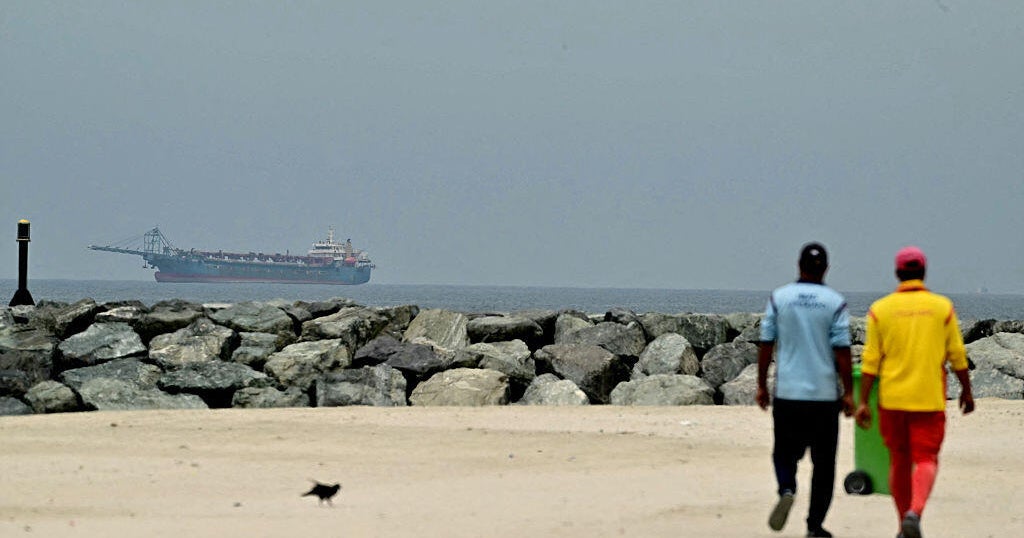
The United States has initiated a military blockade of Iranian ports, centering its operations on the Strait of Hormuz, a critical maritime chokepoint for global energy supplies. This escalation marks a significant shift in U.S. Strategy toward Tehran, utilizing naval power to restrict Iranian maritime trade and oil exports.
The U.S. Imposes military blockade of Iranian ports on Strait of Hormuz as part of a broader effort to apply maximum economic pressure on the Iranian government. President Trump has indicated that Tehran may be seeking a deal in light of the blockade via Al Jazeera.
The move has drawn sharp international criticism and sparked concerns over global oil price stability. China has blasted the blockade, describing the U.S. Actions as dangerous and irresponsible via NBC News.
Diplomatic Friction and the ‘Economic Terrorism’ Accusation
U.S. Officials have framed the blockade as a necessary response to Iranian activities. J.D. Vance has specifically accused Iran of engaging in economic terrorism, stating that “two can play that game” regarding the apply of blockades to exert pressure via BBC.

The Strait of Hormuz is one of the world’s most strategically important waterways, as a vast majority of the world’s seaborne oil passes through this narrow corridor. By imposing a military blockade, the U.S. Is not only targeting Iranian revenue but is likewise positioning itself to control the flow of energy from the region.
The tension is further highlighted by reports of U.S.-sanctioned tankers continuing to attempt passage through the Strait, creating a volatile environment for naval encounters via NBC News.
Global Economic Impact and Energy Markets
Economists and market analysts are monitoring the situation closely, as the blockade of Iranian ports is expected to have ripple effects across global energy markets. The restriction of Iranian oil is likely to tighten global supply, which typically leads to increased prices at the pump for consumers worldwide.
While the blockade aims to cripple the Iranian economy, some analysts suggest it could simultaneously boost American exports as other nations look for alternative energy sources to replace Iranian crude. However, this potential benefit is balanced against the risk of a broader spike in global oil prices, which could trigger inflationary pressures in multiple economies.
Key Stakeholders and Their Positions
- United States: Utilizing naval blockades to force Iran into a deal and stop alleged economic terrorism.
- Iran: Facing severe economic restrictions on its primary revenue source (oil) and port access.
- China: Opposing the blockade on the grounds that it is irresponsible and threatens international maritime stability.
- Global Energy Markets: Experiencing volatility as the world’s most critical oil chokepoint becomes a zone of military operation.
What Happens Next?
The immediate future depends on whether the U.S. Maintains the blockade as a permanent fixture or uses it as a temporary lever to bring Tehran to the negotiating table. The international community remains focused on whether this military posture will lead to a diplomatic breakthrough or a further escalation of hostilities in the Persian Gulf.
The next critical checkpoint will be the official response from the Iranian government regarding the blockade and any subsequent diplomatic overtures made to the U.S. Administration.
We invite our readers to share their perspectives on this developing situation in the comments below and share this report with their networks to keep the global conversation informed.