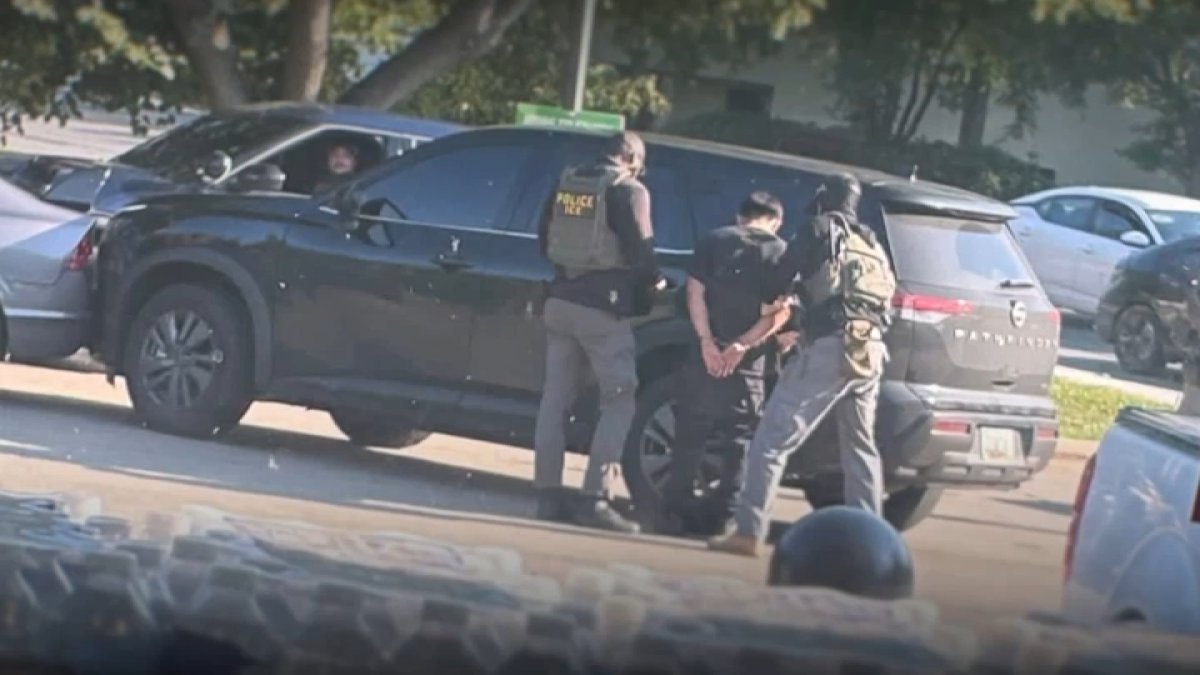
A United States citizen reported being detained by Immigration and Customs Enforcement (ICE) agents for approximately two hours in Annapolis, Maryland, on Sunday, during which he says he was handcuffed and questioned about his legal status without being provided an explanation. Samuel Guzmán, the individual involved in the incident, stated that he was intercepted by federal agents while walking to his vehicle after stopping for coffee.
The incident has drawn attention to the protocols governing federal immigration enforcement operations and the rights of individuals during field encounters. While ICE maintains specific policies regarding the identification and processing of individuals, the agency has not yet provided a public statement or confirmed the specific details of the encounter in Annapolis. According to the U.S. Immigration and Customs Enforcement (ICE) Enforcement and Removal Operations (ERO) mission statement, agents are tasked with identifying and apprehending individuals who are in the country in violation of federal immigration laws.
The Sequence of Events in Annapolis
According to accounts provided by Guzmán, the encounter began when he exited a coffee shop and observed several vehicles he identified as being associated with immigration enforcement surrounding the parking lot. Guzmán stated that an agent approached him, placed him in handcuffs, and began questioning him regarding his place of birth and immigration status. He reported that he was driven to a separate nearby parking lot while the questioning continued in Spanish.
During the detention, Guzmán stated that he was unable to contact anyone because his personal belongings, including his phone, car keys, and wallet, had been taken by the agents. He asserted that he informed the agents he was a U.S. citizen and attempted to present his driver’s license as proof of identification. After approximately two hours of questioning and processing, Guzmán said he was returned to the original location and released without being informed of the specific reason for his initial detention or why he was targeted.
Federal Enforcement Protocols and Rights
Under the Fourth Amendment of the U.S. Constitution, individuals are protected against unreasonable searches and seizures, a standard that applies to interactions with federal law enforcement. The Department of Justice (DOJ) outlines the rights of individuals, including those who are not U.S. citizens, during encounters with immigration authorities. These rights include the ability to remain silent and the right to refuse consent to a search of one’s person or property unless an officer has a warrant or probable cause.
In practice, ICE field operations often involve “at-large” arrests, where agents seek specific individuals identified through database checks or intelligence. However, the agency’s enforcement priorities are subject to periodic updates based on current Department of Homeland Security (DHS) directives. The lack of a clear explanation provided to an individual during a detention often creates significant friction between federal agencies and local communities, as residents may be unaware of the specific authority under which an agent is operating.
What Happens Next in Immigration Oversight
When allegations of misconduct or procedural errors are raised against federal agents, individuals typically have several avenues for recourse. The Department of Homeland Security (DHS) Office of Inspector General (OIG) serves as an independent oversight body responsible for investigating complaints regarding the conduct of DHS employees, including those within ICE. Affected individuals may file formal complaints through the OIG or the DHS Office for Civil Rights and Civil Liberties (CRCL), which reviews allegations of civil rights violations.
As of this reporting, ICE has not publicly confirmed the details of the Annapolis incident or whether an internal review has been initiated. For citizens or residents who find themselves in similar encounters, legal experts generally advise documenting the names or badge numbers of the officers involved, if possible, and contacting legal counsel or civil rights organizations to ensure that any potential violations of constitutional rights are properly recorded. There are currently no scheduled public hearings or official findings regarding this specific encounter.
Keep reading