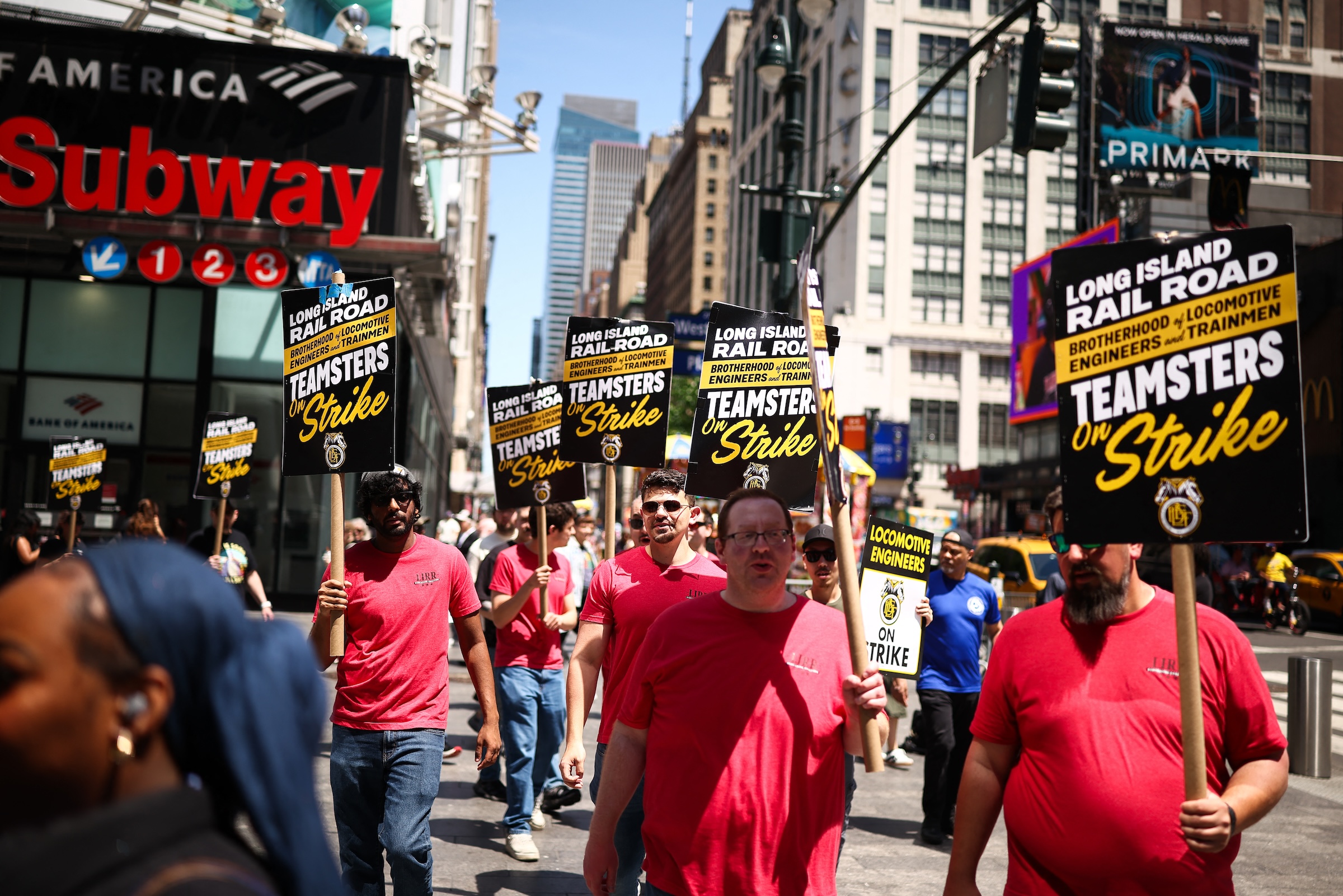
In the evolving landscape of American labor relations, a significant portion of corporate expenditure is being directed toward strategies designed to impede employee collective bargaining efforts. A comprehensive analysis released by the Economic Policy Institute and LaborLab suggests that U.S. Employers allocate approximately $1.7 billion annually toward union-avoidance consultants and specialized law firms. This financial commitment reflects a structured approach by organizations to influence the outcomes of unionization campaigns and maintain non-unionized workforces.
The report, which highlights the scale of professional union avoidance, underscores the complexities inherent in modern workplace organizing. By engaging external firms, employers seek to navigate the legal frameworks governing labor relations, often utilizing sophisticated communication strategies and management training to discourage employees from seeking union representation. The findings provide a rare quantitative look at the industry of labor-management consulting, an area that has historically operated with limited public visibility.
The Economics of Union Avoidance
The estimated $1.7 billion in annual spending represents a substantial investment in maintaining the status quo within various industries. According to data analyzed by the Economic Policy Institute, this capital is primarily funneled into hiring professional consultants and legal experts who specialize in labor relations and personnel management. These entities often provide services that include management training, internal communications auditing, and strategic planning during active organizing campaigns.
For many observers, these figures illustrate the significant financial barriers that workers face when attempting to organize. The strategic use of outside counsel is often permitted under the National Labor Relations Act, provided that employers adhere to specific disclosure requirements and refrain from unlawful coercive practices. However, the sheer volume of spending suggests that What we have is a systemic component of modern human resources strategy for many large-scale employers.
The LaborLab organization, in conjunction with its research partners, emphasizes that this expenditure is not merely incidental but represents a calculated effort to influence employee decision-making. The report highlights that these consultants often work to create an environment where the perceived risks of unionization are amplified, while the benefits are minimized or questioned.
Regulatory Frameworks and Disclosure Requirements
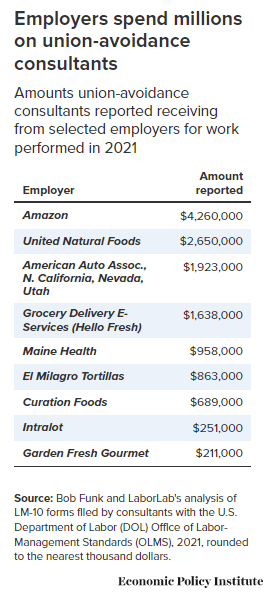
The practice of hiring labor consultants is subject to oversight by the U.S. Department of Labor. Under the Labor-Management Reporting and Disclosure Act (LMRDA), both employers and the consultants they hire are generally required to file reports detailing their agreements and expenditures when the intent is to persuade employees regarding their rights to organize and bargain collectively. These filings, often referred to as LM-10 and LM-20 forms, are intended to provide transparency to both the workforce and the public.
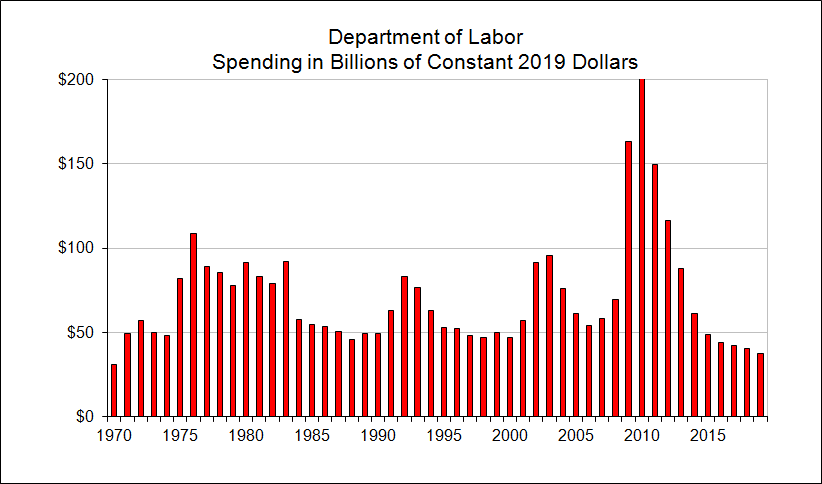
Despite these requirements, critics and researchers have long argued that the current system of reporting is prone to under-reporting and loopholes. The Office of Labor-Management Standards continues to oversee these filings, yet the complexity of modern business structures often makes it difficult to track the true extent of anti-union spending. The recent report suggests that the actual financial impact of these activities significantly exceeds what is formally captured in public disclosures.
What This Means for the Labor Landscape
The implications of this multibillion-dollar industry extend beyond simple financial figures. For workers, the presence of union-avoidance consultants can change the tone of the workplace, often leading to increased tension between management and staff. For employers, the decision to engage these firms is often framed as a way to maintain direct communication with employees and preserve management flexibility.
However, the broader context of labor relations suggests that the debate over unionization is becoming increasingly professionalized. As workers in various sectors—from technology to retail—continue to explore collective bargaining, the role of external consultants is likely to remain a central point of contention. The ability of employees to form unions is protected under federal law, but the practical exercise of these rights often occurs in a climate heavily influenced by corporate strategy.
Key Takeaways
- The annual expenditure on union-avoidance activities is estimated at approximately $1.7 billion.
- The industry relies on a network of law firms and specialized consultants who provide strategic guidance to employers.
- Transparency remains a challenge, as current federal reporting requirements are often circumvented or difficult to enforce.
- The Economic Policy Institute and LaborLab report highlights a growing gap in how these activities are perceived versus how they are regulated.
Looking Ahead: The Future of Labor Organizing
As the labor movement navigates the current economic environment, the influence of professional consultants on workplace organizing will likely remain a topic of significant interest for policymakers and researchers alike. Future developments may include calls for more rigorous enforcement of existing disclosure laws or legislative efforts to increase transparency regarding how companies spend to influence labor relations.
For those interested in the ongoing developments of labor policy, the National Labor Relations Board provides periodic updates on cases and rulings that shape the environment for collective bargaining in the United States. As new reports and legal challenges emerge, the conversation surrounding the cost and impact of union avoidance is expected to continue evolving.
We invite our readers to share their thoughts on this report in the comments section below. As this story develops, we will continue to monitor official filings and regulatory updates to provide the most accurate and comprehensive coverage possible.
Keep reading