
The U.S. government has approved sweeping sanctions waivers for Iranian oil exports, a move that could unlock billions in revenue for Tehran while complicating Washington’s efforts to pressure Iran over its nuclear program. According to Reuters, the waivers—granted under a 2018 Trump-era policy—allow certain countries to import Iranian crude without facing U.S. penalties, provided they reduce purchases from other suppliers. The decision follows months of indirect negotiations and comes as Iran accelerates efforts to expand oil sales in Asia, where demand remains robust despite global supply surpluses.
Tehran has already signaled it will use the waivers to ramp up exports to China, India, and other regional buyers, according to Bloomberg. Analysts estimate Iran could earn up to $1.5 billion monthly from sanctioned oil sales under the new terms, though exact figures remain unclear due to opaque trading practices. The move underscores the tension between U.S. sanctions policy and Iran’s economic survival, as the Islamic Republic faces crippling financial isolation amid stalled nuclear negotiations.
While the waivers provide short-term relief, they do not address the broader sanctions regime targeting Iran’s central bank and energy sector. The U.S. State Department has emphasized that any lifting of restrictions is conditional on Iran complying with the 2015 nuclear deal, known as the Joint Comprehensive Plan of Action (JCPOA). However, Iran’s recent enrichment of uranium beyond deal limits has raised concerns among Western powers, with The New York Times reporting that Tehran has accelerated nuclear activities despite repeated calls for de-escalation.
Why Are the U.S. Waivers Significant?
The sanctions waivers represent a pragmatic shift by the Biden administration, which has struggled to balance pressure on Iran with the need to stabilize global oil markets. With Brent crude prices hovering near $85 per barrel—up from $70 at the start of the year—the U.S. risks alienating allies if it enforces sanctions too aggressively, particularly as Russia’s oil exports face secondary sanctions in Europe.
For Iran, the waivers offer a lifeline. The country’s oil revenue has plummeted by nearly 60% since 2018, when the U.S. withdrew from the JCPOA and reimposed sanctions, according to IMF data. The new policy allows Iran to bypass some U.S. financial restrictions by using barter-like trade mechanisms, where buyers pay in goods or services rather than dollars. China, Iran’s largest oil customer, has already increased purchases by 20% in recent months, per U.S. Energy Information Administration (EIA) tracking.
Yet the waivers come with strings attached. The U.S. has warned Iran that any violation of the JCPOA—such as further uranium enrichment or missile tests—could trigger the revocation of waivers. “This is not a free pass,” a senior State Department official told Reuters, emphasizing that the administration remains committed to restoring the nuclear deal.
How Will Iran Use the Waivers?
Iran’s state-owned National Iranian Oil Company (NIOC) has already begun outreach to Asian buyers, offering discounts and extended payment terms to secure contracts. According to Bloomberg, Iran is targeting India, which imported 180,000 barrels per day of Iranian oil in April—down from 400,000 bpd before U.S. sanctions. The country is also courting Malaysia and Sri Lanka, where refiners have shown interest in cheaper Iranian crude.
However, the waivers do not exempt Iran from secondary sanctions, meaning buyers could still face penalties if they use U.S. dollars or banks. To circumvent this, Iran is relying on a network of middlemen—including vessels flagged in Panama and the UAE—to obscure the origin of its oil. The U.S. Office of Foreign Assets Control (OFAC) has warned that any entity facilitating Iranian oil sales risks enforcement action.
For now, the focus remains on Asia. The EIA projects that Iran’s oil exports to Asia could rebound to 1.2 million barrels per day by year-end, up from 900,000 bpd currently. This would mark the highest level since 2019, before the Trump administration’s “maximum pressure” campaign.
What Happens Next?
The waivers create a delicate balancing act for the U.S. On one hand, they provide Iran with much-needed revenue without requiring a full lifting of sanctions. On the other, they risk undermining pressure on Tehran to return to nuclear negotiations. The next critical test will be whether Iran uses the waivers to signal flexibility on nuclear issues—or doubles down on defiance.
Key developments to watch:
- Iran’s nuclear activities: The International Atomic Energy Agency (IAEA) is expected to release its next report on Iran’s compliance with the JCPOA in late June. Any further enrichment beyond deal limits could trigger a U.S. response.
- Oil market impact: If Iran’s exports surge, global prices could dip, benefiting consumers but potentially straining OPEC+ production cuts. The Organization of the Petroleum Exporting Countries has not yet commented on the waivers.
- Regional tensions: Israel has condemned the waivers as a “reward for bad behavior,” while Saudi Arabia—already facing low oil prices—may see the move as further destabilizing the market.
The Biden administration has set September 2024 as a potential deadline for restarting nuclear talks, provided Iran shows willingness to negotiate. Until then, the sanctions waivers will likely remain a contentious issue, with critics arguing they send mixed signals to Tehran.
Who Benefits—and Who Loses?
Winners:
- Iran: Immediate cash flow relief, reduced pressure on its currency (the rial has lost 40% of its value against the dollar since 2021, per World Bank data).
- Asian refiners: Access to discounted Iranian crude, particularly in India and China, where domestic production is insufficient to meet demand.
- U.S. allies in Europe: Reduced risk of oil price spikes due to supply disruptions in the Middle East.
Losers:
- U.S. sanctions enforcement: The waivers weaken the credibility of secondary sanctions, potentially encouraging more circumvention.
- Saudi Arabia and Russia: Both face pressure to increase production to offset Iranian supply, risking lower revenues.
- Iran’s reformists: Hardliners in Tehran may use the waivers to argue against further concessions in nuclear talks, as they did after the 2015 deal.
The waivers also create a dilemma for the European Union, which has sought to preserve the JCPOA but remains dependent on U.S. cooperation. While Brussels has not publicly opposed the waivers, officials have privately expressed concern that they could derail diplomatic efforts.
What’s the Broader Context?
The U.S. waivers are the latest twist in a sanctions policy that has evolved dramatically since 2018. Under former President Donald Trump, the “maximum pressure” campaign aimed to cripple Iran’s economy by cutting off oil exports entirely. The Biden administration, however, has taken a more measured approach, granting limited waivers while attempting to revive the JCPOA.
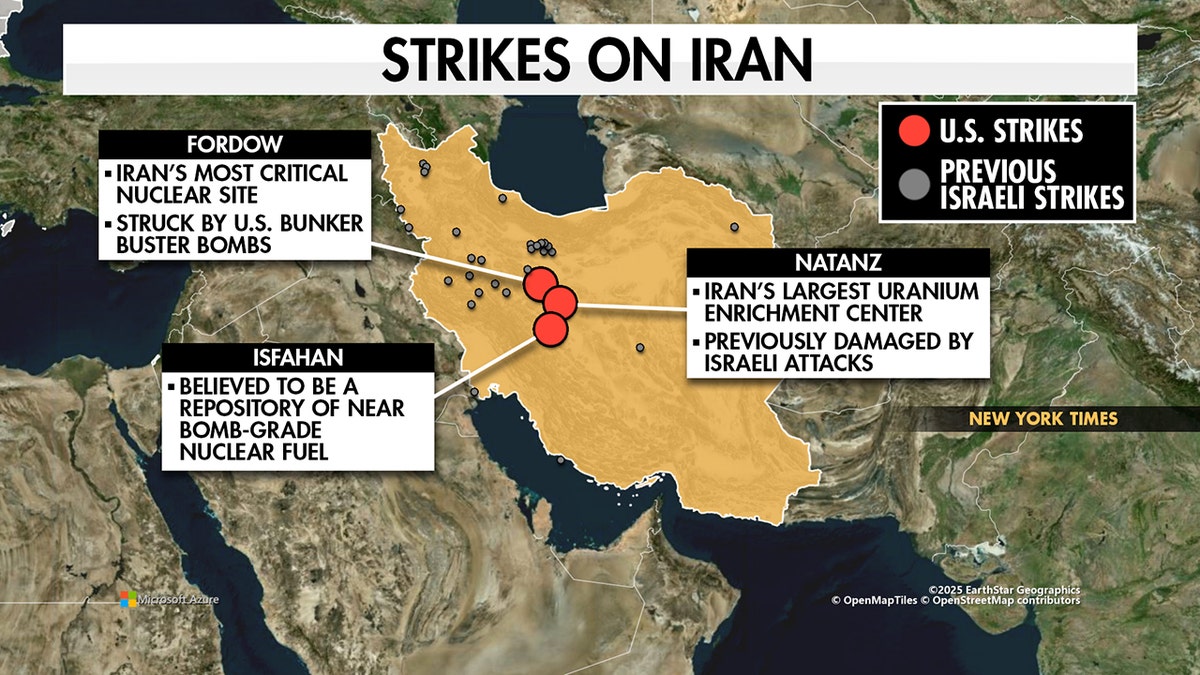
This strategy reflects a broader U.S. pivot toward great-power competition, where Iran is seen as a secondary concern compared to China and Russia. Yet the waivers also highlight the limits of sanctions as a tool for behavioral change. Iran has repeatedly demonstrated that it can adapt to economic pressure—whether through smuggling networks, barter trade, or simply waiting out adversaries.
For readers seeking updates, the following resources provide official tracking:
- U.S. Office of Foreign Assets Control (OFAC) Sanctions Lists
- International Atomic Energy Agency (IAEA) Reports
- U.S. Energy Information Administration (EIA) Oil Market Data
The next major checkpoint will be the IAEA’s June report on Iran’s nuclear program, followed by a potential U.S. decision on further waivers by September 2024. In the meantime, market watchers will be closely monitoring Iranian oil flows to Asia and any signs of a shift in Tehran’s nuclear posture.
This story is developing. For live updates, follow World Today Journal. Have insights or questions? Share them in the comments below or contact our news desk at [email protected].
- South Carolina Senate Race: Republican Primary Heats Up as Candidates Clash
- Antonio Banderas Explains Why He Left Hollywood and Malibu to Move Back to Spain
- Iran and Strait of Hormuz: Deal Prospects and Global Oil Impact (world-today-news.com)
- Iran Nears Oman Deal on Strait But Reopening Stalls (time.news)