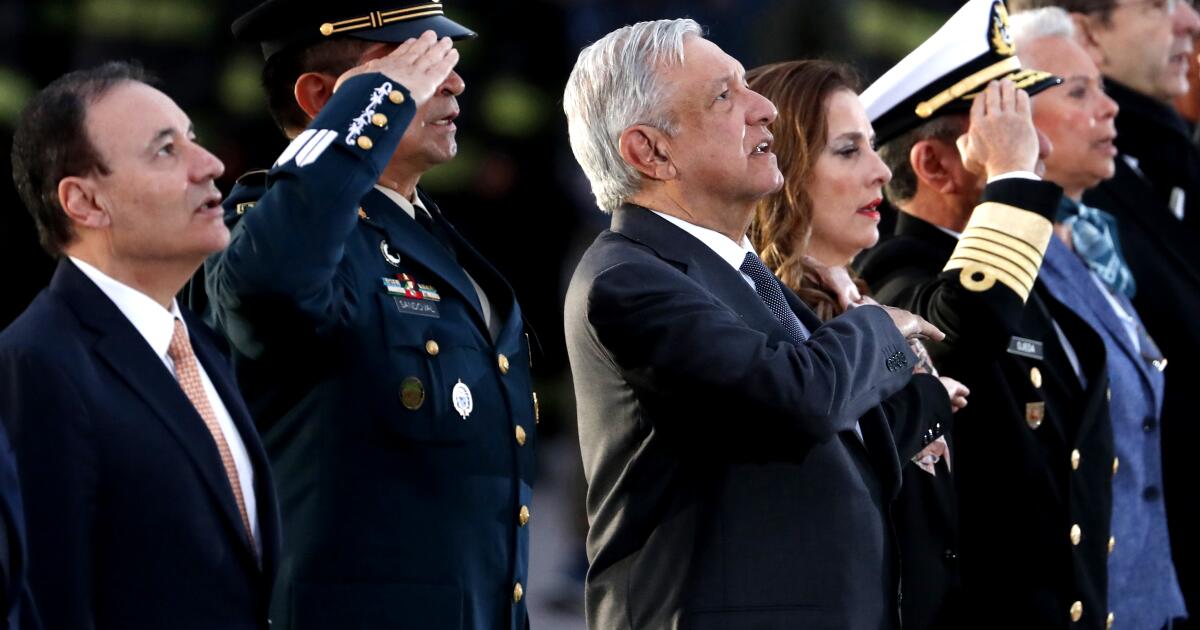
The landscape of U.S.-Mexico relations is undergoing a period of intense scrutiny as new reports emerge regarding ongoing American investigations into high-level Mexican officials. Recent developments indicate that U.S. Federal authorities are examining the potential ties of two additional Mexican governors to organized crime syndicates, a situation that threatens to exacerbate existing diplomatic frictions during the early months of President Claudia Sheinbaum’s administration.
As these investigations unfold, the broader context of binational security cooperation remains fragile. The U.S. Department of Justice (DOJ) has historically maintained a focus on corruption within Mexican state-level governance, viewing such links as significant impediments to effective counter-narcotics strategies and cross-border security initiatives. The potential for these probes to impact the U.S.-Mexico Bicentennial Framework for Security, Public Health, and Safe Communities highlights the high stakes for both the White House and the Palacio Nacional.
The Jurisdictional Challenge: Investigating State-Level Corruption
Federal investigations targeting foreign officials often rely on complex legal maneuvers, including the use of the Foreign Corrupt Practices Act and international money laundering statutes. When U.S. Authorities pursue allegations against current or former governors, the process typically involves gathering evidence through intelligence sharing, witness testimony, and financial record analysis conducted by agencies such as the Drug Enforcement Administration (DEA) and the Federal Bureau of Investigation (FBI). According to the Department of Justice, these efforts are aimed at dismantling the infrastructure that supports transnational criminal organizations.
The investigation into these two governors—whose identities remain subject to ongoing legal protocols and are not yet formally disclosed in public indictments—underscores the depth of the challenge facing the current administration in Mexico City. President Claudia Sheinbaum, who assumed office in October 2024, has emphasized a strategy of addressing the root causes of violence while maintaining institutional sovereignty. However, the prospect of U.S. Indictments involving state leadership poses a significant political test for her government’s stated commitment to transparency and rule of law.
Diplomatic Ripples and the Sheinbaum Administration
The relationship between the United States and Mexico is currently defined by a delicate balance of trade, migration, and security cooperation. The potential for these corruption investigations to create a “rift” is rooted in the history of deep-seated mistrust regarding the efficacy and integrity of law enforcement institutions on both sides of the border. Experts note that when Washington pursues high-profile targets in Mexico, the response from the Mexican government is frequently one of diplomatic caution, balancing the need for U.S. Cooperation against the domestic political necessity of asserting national autonomy.
For the Sheinbaum administration, the timing of these inquiries is particularly sensitive. As outlined in the official statements from the White House regarding the transition of power, the U.S. Has expressed a desire to continue working closely with its southern neighbor. Nevertheless, the reality of transnational crime often necessitates independent action from U.S. Federal prosecutors, which can occasionally override diplomatic sensitivities in favor of legal accountability.
Key Factors in the Current Diplomatic Climate
- Institutional Autonomy: The ability of the Mexican government to investigate its own officials versus the reliance on U.S. Federal indictments.
- Security Frameworks: The ongoing viability of the Bicentennial Framework in the face of potential political scandals.
- Public Perception: How the Mexican public views the involvement of the U.S. Judiciary in domestic political affairs.
- Cross-Border Cooperation: The level of intelligence sharing between the DEA and Mexican counterparts, which has seen fluctuations in recent years.
What Happens Next: Legal and Political Checkpoints
While the investigations remain in the investigative phase, observers are looking toward the next series of legal milestones. In cases involving high-ranking foreign officials, the process rarely moves quickly. The next major checkpoint will likely involve the potential unsealing of indictments or the filing of formal requests for international cooperation through the Mutual Legal Assistance Treaty (MLAT) process. These legal instruments are essential for the formal exchange of evidence and the eventual pursuit of extradition if charges are filed.

As this story develops, stakeholders on both sides of the border will be monitoring official press releases from the U.S. Attorney’s Office and the Mexican Secretariat of Foreign Affairs for any acknowledgment of these investigations. For now, the situation serves as a stark reminder of the complexities inherent in modern North American relations, where the lines between domestic governance, international crime, and bilateral diplomacy frequently blur.
As a journalist covering global markets and economic policy, I will continue to track the implications of these investigations on regional stability and cross-border investment. Readers seeking the most accurate and up-to-date information are encouraged to monitor filings through the U.S. District Courts and official briefings from the Department of Justice. Please share your thoughts in the comments section below or follow our ongoing coverage for further updates.
Keep reading