
The recent ceasefire agreement between the United States and Iran has prompted significant domestic friction within Israel, where many citizens and political analysts express concern that the nation’s strategic security goals remain unaddressed. As Washington navigates a complex diplomatic thaw with Tehran, Israeli officials and the public are grappling with a perceived shift in the regional balance of power, leading to widespread debate over the efficacy of Prime Minister Benjamin Netanyahu’s security policies.
According to reports from Reuters, the administration in Washington has sought to de-escalate tensions through indirect negotiations, aiming to curb Iran’s nuclear ambitions and regional proxy activities. However, for many in Israel, these diplomatic overtures are viewed with skepticism. Critics argue that the current trajectory leaves Israel vulnerable, particularly as the country faces ongoing security challenges on its northern and southern borders. The U.S. Department of State maintains that its regional policy remains committed to the security of its allies, yet the divergence in priorities between the White House and the Knesset has become increasingly visible.
Shifting Strategic Alliances and Israeli Security Concerns
The primary point of contention for many Israelis is the perceived abandonment of a “maximum pressure” strategy against the Iranian government. For years, Israeli defense doctrine has relied on the premise that the United States would act as a primary deterrent against Iranian nuclear development and regional expansion. With the U.S. now prioritizing a ceasefire and diplomatic stabilization, analysts note a growing sense of isolation within the Israeli security establishment.
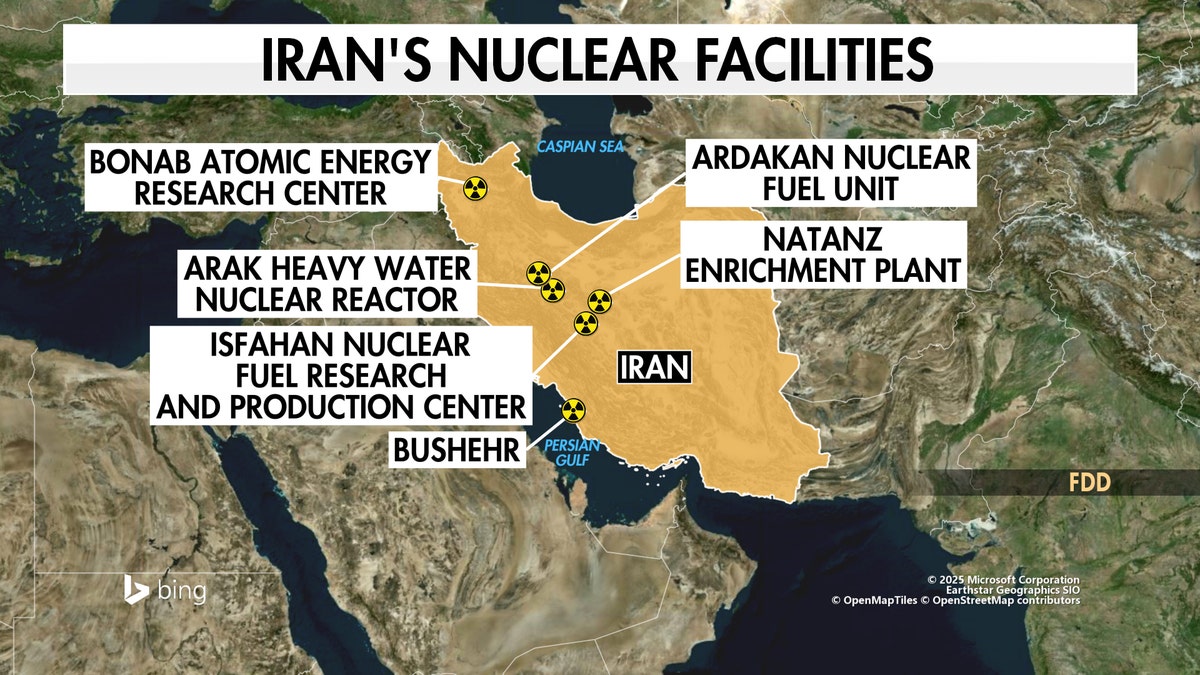
As documented by the Washington Institute for Near East Policy, the shift toward diplomacy has raised questions about the future of intelligence sharing and military coordination between the two nations. While the U.S. government emphasizes that it is not abandoning its regional partners, the move toward a ceasefire is viewed by some Israeli lawmakers as a fundamental change in Washington’s approach to the Middle East. This perceived pivot has fueled public anxiety regarding the long-term containment of Iranian-backed groups, such as Hezbollah and other regional proxies, which continue to operate near Israeli borders.
Political Pressure on the Netanyahu Administration
Prime Minister Benjamin Netanyahu faces intensifying domestic pressure as the ceasefire takes effect without the realization of his stated war aims. His government had previously committed to a strategy of total dismantling of specific regional threats, a goal that many political commentators now suggest is becoming increasingly difficult to achieve in the face of international diplomatic constraints.
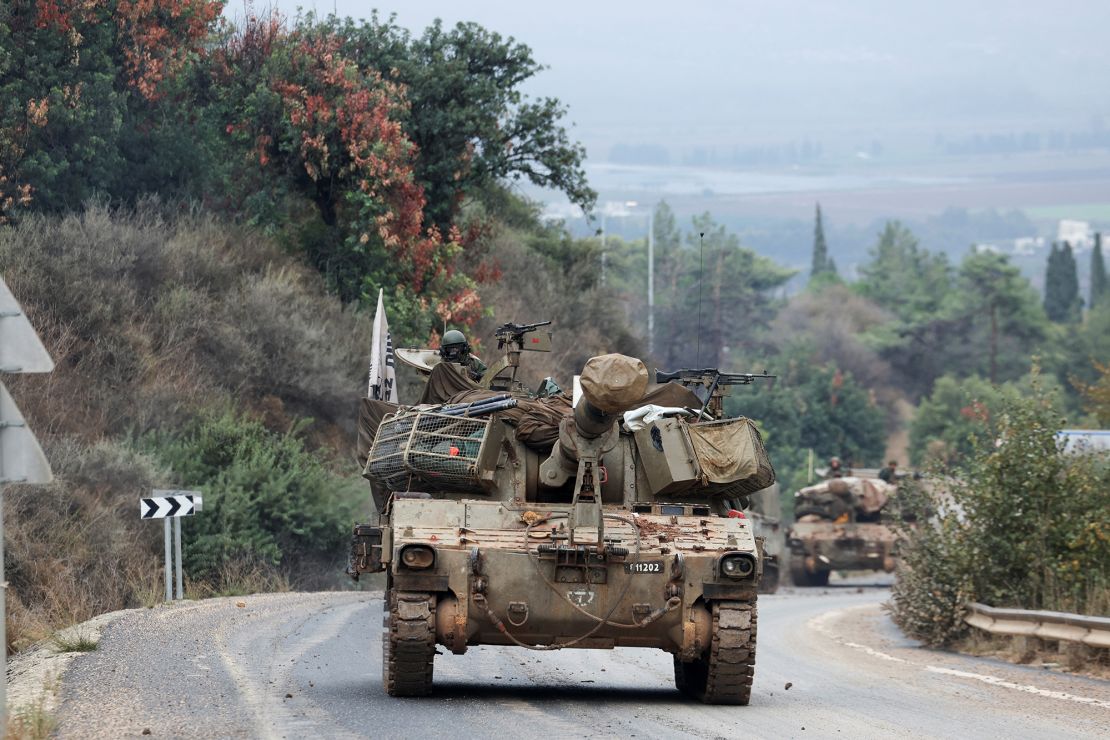
According to political analysis provided by the Haaretz newspaper, opposition leaders have intensified their calls for a shift in national strategy, citing the lack of progress in achieving military objectives as a failure of the current administration. Netanyahu has consistently maintained that Israel reserves the right to defend itself against existential threats, regardless of international agreements. However, as the U.S. continues to push for regional stability through diplomatic channels, the Prime Minister’s ability to act unilaterally appears constrained by the evolving requirements of his most critical ally.
Comparing Regional Perspectives on the Ceasefire
The disconnect between the U.S. and Israeli approaches highlights a broader challenge in managing regional security. While the U.S. views the ceasefire as a necessary step toward regional de-escalation, the Israeli perspective is heavily influenced by the immediate proximity of threats. The following table illustrates the differing priorities currently shaping the discourse:
| Stakeholder | Primary Objective | View on Ceasefire |
|---|---|---|
| United States | Nuclear non-proliferation and regional stability | Essential for avoiding wider conflict |
| Israel | Dismantling proxy threats and security guarantees | Potential risk to long-term defensive posture |
| Iran | Sanctions relief and regional influence | Strategic opportunity for diplomatic leverage |
Data provided by the Council on Foreign Relations confirms that these competing interests have historically made cohesive policy difficult. The current situation marks a point where these differences are no longer just theoretical but are actively shaping public opinion and political stability within Israel.
What Happens Next for Regional Stability?
The next major checkpoint for this evolving situation will be the upcoming series of high-level security dialogues scheduled between the U.S. and Israeli defense ministries, where officials are expected to address the gaps in their respective strategies. These meetings are critical for determining whether the current ceasefire will lead to a broader regional security framework or if it will exacerbate the existing rift between Washington and Jerusalem.
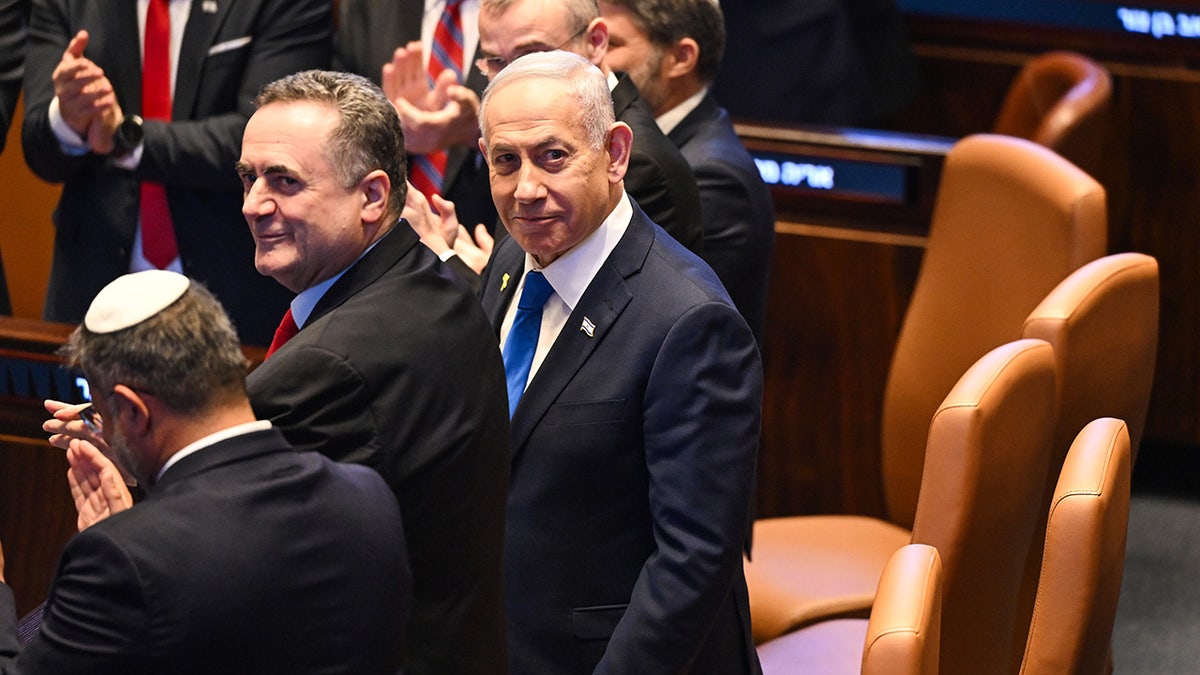
For observers and stakeholders, the situation remains fluid. As of the most recent updates from the Times of Israel, the government is expected to issue a formal assessment on national security threats in the coming weeks. We encourage our readers to share their perspectives on these developments in the comments section below, and to continue following our coverage as we monitor these developments closely.